
High-level technical discussions between the United States and Iran have concluded in Switzerland, marking another step toward implementing a framework agreement designed to end more than 100 days of conflict between the two nations.
Iranian officials described the talks as productive, with both sides agreeing on mechanisms that will guide future negotiations and the implementation of commitments outlined in the peace framework reached earlier this month.
The discussions were led by Iran’s Deputy Foreign Minister Kazem Gharibabadi and involved representatives from the United States and international mediators. According to Iranian state media, negotiators finalized arrangements for future working groups and oversight structures that will supervise the implementation process.
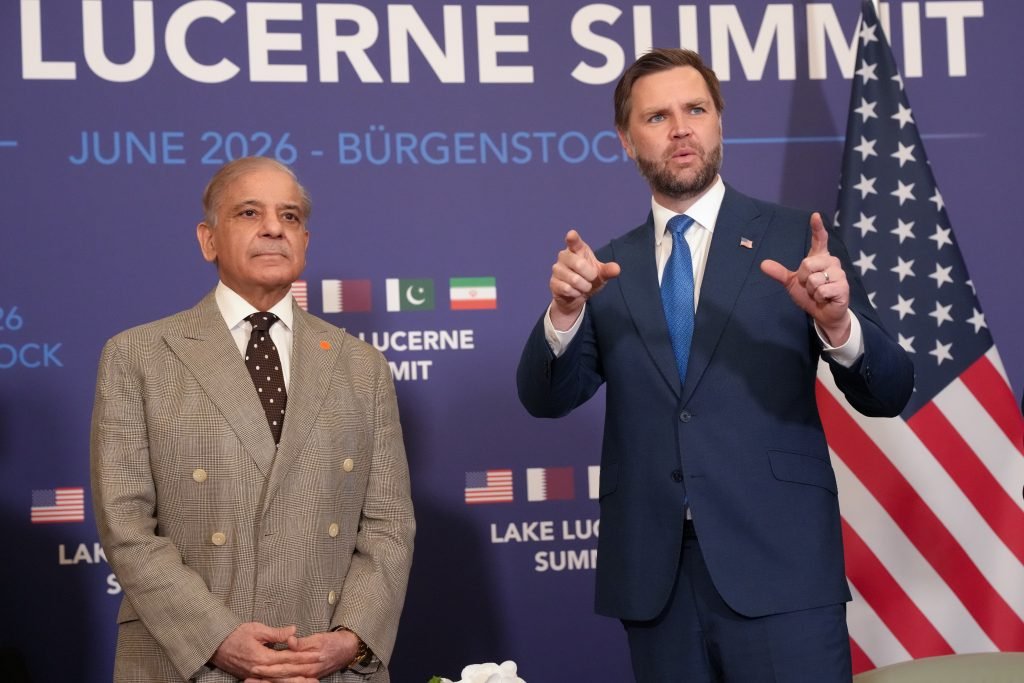
The latest round of talks follows a virtual agreement reached by the presidents of both countries on June 17, aimed at ending hostilities and creating a pathway toward broader economic and diplomatic cooperation.
Oil Markets Watching Closely
One of the most significant outcomes emerging from the negotiations is the easing of restrictions on Iran’s oil sector.
Iranian officials confirmed that progress has been made on the release of approximately $12 billion in previously frozen assets. At the same time, the United States has granted a 60-day waiver allowing Iran to export oil and petrochemical products more freely.
The move is expected to have major implications for global energy markets.
For years, Iran continued selling oil despite sanctions, often at heavily discounted prices. The new arrangement could allow Tehran to access international markets at full market rates, potentially increasing global oil supply and easing upward pressure on fuel prices.
Energy analysts note that additional Iranian crude entering the market could help stabilize international oil prices at a time when many economies are struggling with inflation and high energy costs.
Strait of Hormuz Remains a Key Focus
Negotiators also addressed security concerns surrounding the Strait of Hormuz, one of the world’s most important shipping routes through which roughly 20 percent of global energy supplies pass.
Iran has reportedly agreed to establish a direct communication mechanism with the United States to help ensure safe navigation through the strategic waterway.
However, Iranian leaders indicated that security arrangements in the region will not fully return to pre-conflict conditions, signaling that tensions may persist despite recent diplomatic breakthroughs.
Next Phase of Negotiations
While substantial challenges remain, the successful conclusion of the Switzerland talks has boosted optimism that further agreements could be reached in the coming weeks.
If negotiations continue on their current trajectory, increased Iranian oil exports and improved stability in the Gulf region could provide relief to global energy markets, potentially benefiting consumers through lower fuel and transportation costs worldwide.


