
Chief Justice Martha Karambu Koome has become the first international recipient of South Korea’s Sejong Legal Culture Award, a new honour recognising contributions to the rule of law, judicial development, access to justice and protection of vulnerable groups.
Koome received the award on Wednesday, September 16, 2026, during a ceremony at the Grand Hyatt Seoul jointly organised by the Supreme Court of Korea and the World Bank.
But what is the Sejong Legal Culture Award, why was Kenya’s Chief Justice selected and what does the recognition mean for the country’s Judiciary?
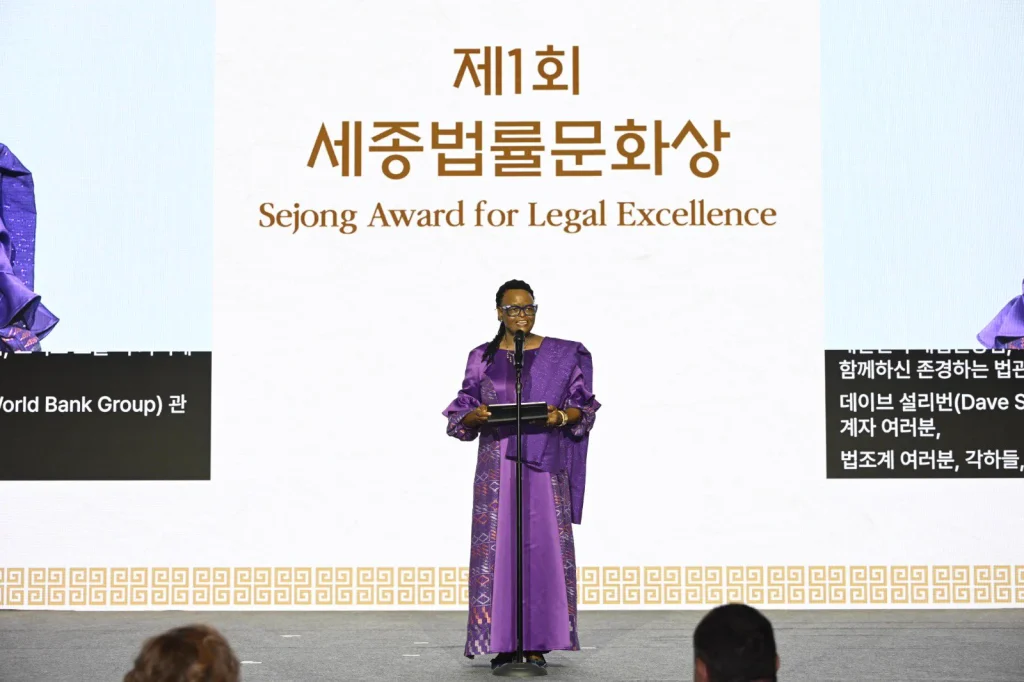
What is the Sejong Legal Culture Award?
The award was established around the legal philosophy associated with King Sejong the Great, the 15th-century Korean monarch remembered for his people-centred approach to governance and for creating Hunminjeongeum, the writing system that developed into modern Hangeul.
According to South Korea’s Supreme Court, the award seeks to honour individuals or organisations that contribute to strengthening the rule of law, developing legal culture and judicial systems, protecting socially vulnerable people and improving access to justice.
The award also recognises efforts to promote international judicial cooperation.
The inaugural award had two recipients: Koome as the international recipient and the Korea Legal Aid Center for Family Relations as the national recipient. The Korean organisation was recognised for seven decades of providing legal assistance and protecting vulnerable people.
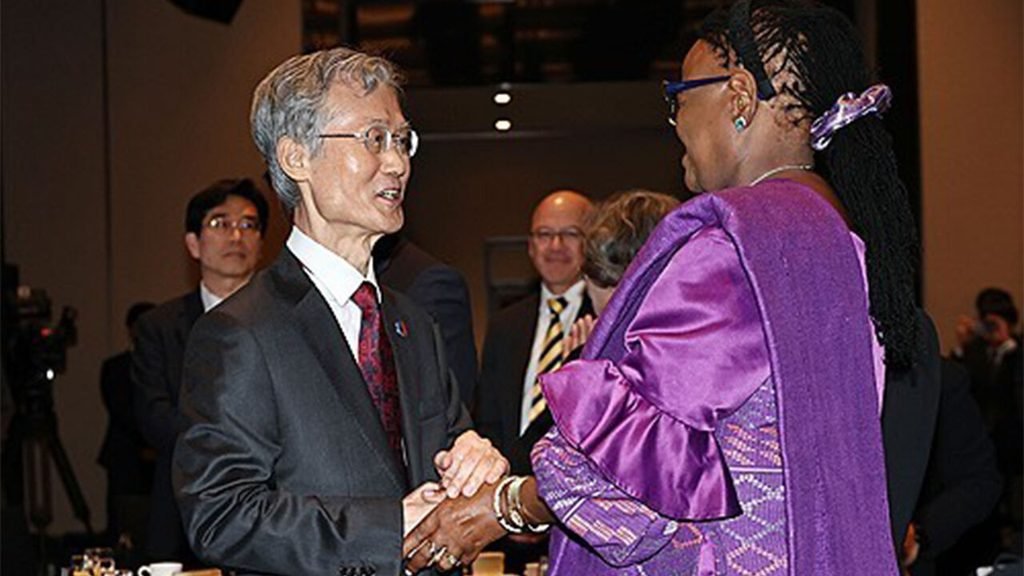
Why was Koome selected?
Koome, Kenya’s first woman Chief Justice, was recognised for her contribution to judicial independence, access to justice, judicial reform and protection of vulnerable groups.
The Korean Supreme Court specifically cited her efforts to improve access to judicial services and protect socially vulnerable members of society.
South Korean Chief Justice Cho Hee-dae also highlighted Koome’s work involving women and children and her efforts to expand access to justice and modernise the Judiciary.
The recognition therefore focuses on areas of judicial administration and reform rather than being a general diplomatic award.
What does the award’s Sejong philosophy mean?
The award is rooted in the idea that law should serve ordinary people rather than function only as an instrument of government.
At the ceremony, Chief Justice Cho said King Sejong’s approach was based on the belief that the state should protect its people and ensure that vulnerable groups were not excluded from legal protection.
He said the principle remains relevant to modern justice systems, particularly in protecting people who may face barriers to accessing justice.
The Korean Supreme Court says the award was inspired by King Sejong’s people-centred legal philosophy, including the idea that ordinary citizens should be able to understand, use and benefit from legal institutions.
What does it mean for Kenya?
For Kenya, the recognition highlights the Judiciary’s ongoing efforts around access to justice, judicial independence and modernisation.
The award also comes as Kenya and South Korea seek to expand cooperation between their judicial institutions.
Areas being explored include digital justice, artificial intelligence, case management, judicial training and innovation.
Koome has previously said justice and the rule of law should form part of the broader relationship between Kenya and South Korea, alongside cooperation in areas such as technology, health, agriculture and infrastructure.
The Judiciary has also been examining the use of artificial intelligence and other digital technologies to improve efficiency and access to justice while protecting judicial independence, fairness and fundamental rights.
Why does the recognition matter internationally?
Koome’s award places Kenya among the countries represented in a new international initiative focused on people-centred justice.
It also comes during the 20th Conference of Chief Justices of Asia and the Pacific, held in Seoul from September 16 to 19, bringing together judicial leaders to exchange experiences and discuss the future of justice systems.
The Kenya Embassy in Seoul described Koome’s recognition as a milestone for Kenya’s Judiciary and for Kenyan women’s leadership internationally.
The award also provides another avenue for Kenya and South Korea to deepen judicial cooperation at a time when both countries are exploring technology-driven approaches to justice.
For Koome, the recognition is therefore not simply an individual honour. It also reflects the broader international discussion about how courts can remain independent while making justice more accessible, inclusive and responsive to ordinary citizens.


