



When traveling in the public service vehicles in Kenya, you’ll often see drivers flashing headlights repeatedly at each other, a gesture many mistake for greetings while it’s actually a warning system.
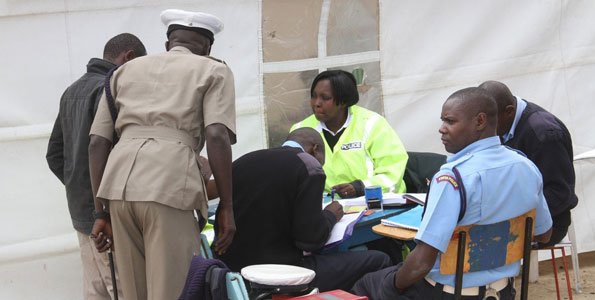
Like people within a community who develop their unique way of sharing information in a coded way, Kenyan motorists are increasingly devising ways to dodge traffic law enforcers, evade arrests, prosecution and fines.
They have developed informal but widely known tactics to evade police checks along the highways and below are some of the tactics.
Digital alerts and flashing Headlights
Flashing headlights signals an upcoming police roadblock allowing their colleagues to slow down and divert to alternative routes where there are little or no checks. The motorists further share realtime alerts on their social platforms such as WhatsApp groups.
‘Panya Routes’ escape
Motorists often use backstreets and dirt roads, popularly known as panya routes to avoid checkpoints. You could bump into a Matatu outside your gate as the roads snake through residential areas, increasing the risk of accidents and damage to private property.
Bribes
Some of the drivers offer bribes to avoid arrests, prosecution, vehicle impoundment and fines for traffic offences. Mostly, offences such as overloading and expired inspection stickers are settled locally and informally, undermining lawful enforcement.
Temporary Compliance
Mostly, motorists observe traffic rules only in presence of police and enforcement officers. Passengers only remember wearing seatbelts when approaching a road block. In most cases, excess passengers are asked to alight briefly and forced to walk several metres past the roadblock and the journey continues. This also applies with speeding.
Altered documents
With the digitisation of licences and insurance, fraud has become so common with traffic officers across the country reporting encountering cases of forged insurance stickers, fake inspection certificates and manipulated images of digital driving licences during checks.
Threats
Some drivers intimidate or persuade traffic police officers by claiming to have connections to senior police officers, politicians or county officials in efforts to secure leniency. You’ll often hear them tell the officers, “Ninajua Sheria or Unajua Mimi ni nani” translated to I know the law and do you know who I am.
Official Appearances
Drivers sometimes display government, Non Governmental Organisation or county stickers or wear security-style uniforms to ostensibly appear exempt from scrutiny. This habit is aimed at intimidating and discouraging the officers from initiating checks.
Night Travels
Public service vehicles on long routes often prefer late-night travel because roadblocks are fewer.
Delayed Payment of Fines
Some of the motorists monitor traffic offences online and delay paying fines until they require vehicle inspection, transfer of ownership or licence renewal services.
Road safety experts however warn that evasion tactics weaken enforcement, promote corruption and contribute to surge in road accidents and fatalities on Kenyan roads.
Lasting solutions, authorities say, lie in strict and consistent enforcement and public adherence to traffic laws.


