
ODM today is going through a moment of unease that many of its supporters can feel, even if they cannot yet name it clearly.
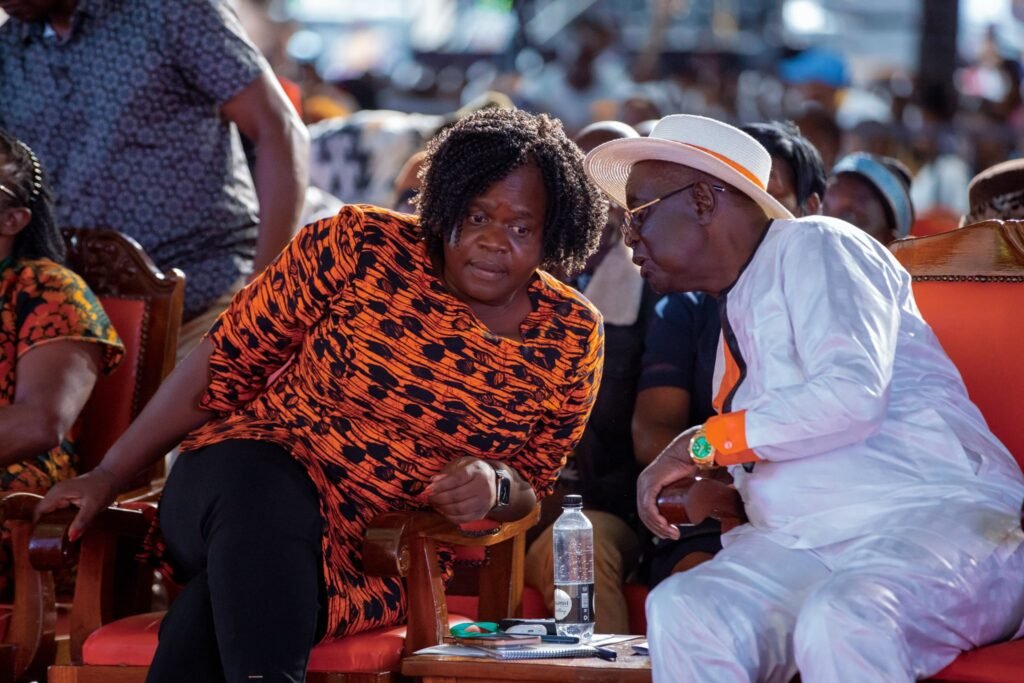
Since the death of Raila Odinga, the glue that held the party together for decades has weakened, and what we are seeing now is open and quiet competition for space, voice and supremacy.
Senior leaders are positioning themselves, regional blocs are testing their strength, and loyalists are arguing over who truly carries Raila’s spirit. Publicly, everyone speaks of unity. Privately, the struggle for control is already underway. This is not unique to ODM. It is a familiar Kenyan story, and it is exactly where KANU found itself before its dramatic collapse in 2002.
The lesson from KANU is simple but brutal. Parties do not collapse because of elections; they collapse because of poor handling of power and succession. When Moi decided to impose a successor, KANU lost its soul. Kalonzo running away with the party certificate was not madness, it was rebellion against humiliation. Raila walking out was not betrayal, it was self-preservation. Young politicians like Ruto did not leave because they were impatient; they left because KANU had no future for them. ODM must read this history honestly, without romance.
LEADERSHIP CANT BE INHERITED
Raila Odinga held ODM together through trust, sacrifice and political legitimacy. People followed him not because they feared him, but because they believed in him. That kind of authority cannot be passed down like property. ODM risks repeating KANU’s mistake if it tries to manufacture a leader through boardroom deals, family proximity or loud declarations of loyalty. Kenyans do not respect imposed leaders. They tolerate them briefly, then abandon them quietly.
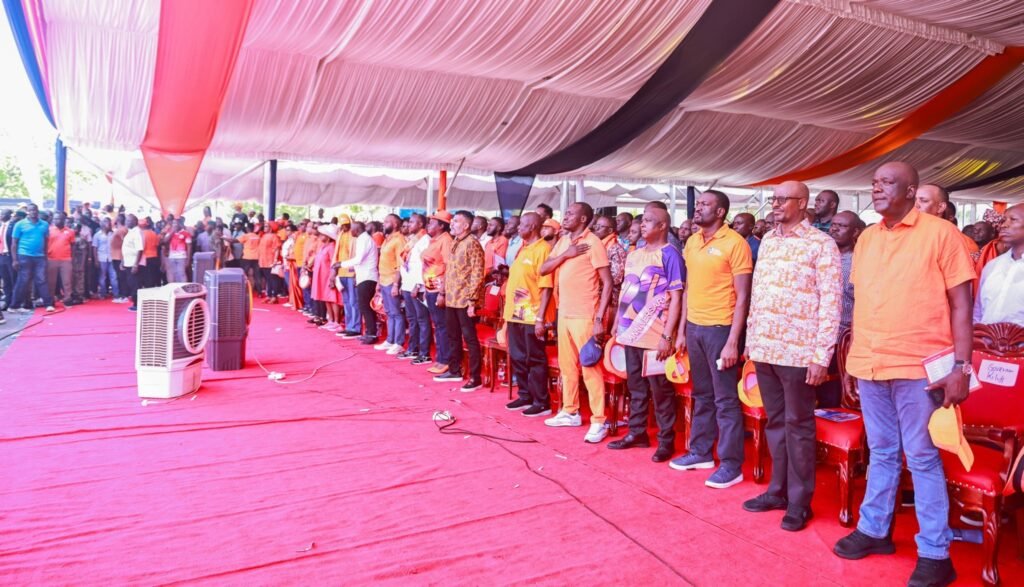
What ODM needs now is patience and openness, not panic. Succession should not be treated as an emergency that must be solved by force. It must be allowed to breathe. If the party rushes to crown a “natural heir” while silencing dissent, it will only create underground resistance. In Kenyan politics, suppressed ambition never dies; it only relocates. ODM must remember that today’s loyal foot soldiers can become tomorrow’s rivals if they feel locked out.
There is also the danger of turning Raila into a political shield, where every argument is shut down by claiming to defend his legacy. KANU tried that with Moi, and it only exposed how empty the party had become. Honouring Raila does not mean freezing ODM in his image. It means protecting the values he stood for: consultation, courage, resistance to dictatorship and belief in the common mwananchi. Raila was not afraid of strong deputies. ODM should not be afraid of strong voices now.
IDENTITY IS KEY
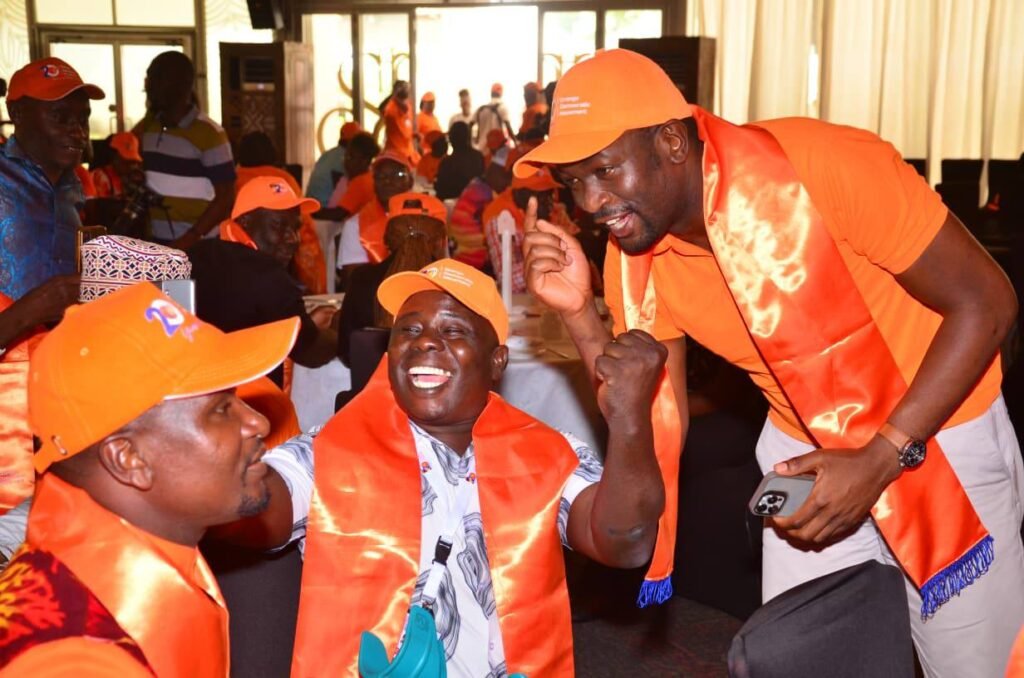
Another painful lesson from KANU is about young leaders. When ambition is blocked, rebellion follows. ODM has a younger generation watching closely, measuring whether the party still offers hope or just long speeches. If ODM becomes a party of gatekeepers and permanent leaders, the youth will not wait politely. They will find other vehicles, just as Ruto and others did when KANU shut its doors.
Finally, ODM must be clear about who it is. Is it an opposition party, a partner of government, or a movement without a spine? KANU lost direction when it confused state power with party strength. ODM must avoid that trap. Power without identity weakens a party from inside.
KANU died slowly before it died loudly. ODM still has time. But time alone will not save it. Only honesty, internal democracy and shared ownership will. Otherwise, history will repeat itself, and ODM will become another lesson instead of a living force in Kenyan politics.


