
President William Ruto’s administration is ast-tracking reforms in the immigration and citizen services departments, a move expected to further ease access to national identification documents and improve public service delivery.
Interior Cabinet Secretary Kipchumba Murkomen on Monday signaled a fresh phase of reforms in the immigration and citizen services docket, coming on the heels of landmark changes that abolished fees for first-time national identity card applicants and accelerated the processing of IDs and passports.
RECENT GAINS
In a statement shared on his official X account on January 12, 2026, Murkomen said the government was consolidating recent gains while rolling out additional policy and operational changes aimed at enhancing efficiency, accessibility and accountability across the sector.
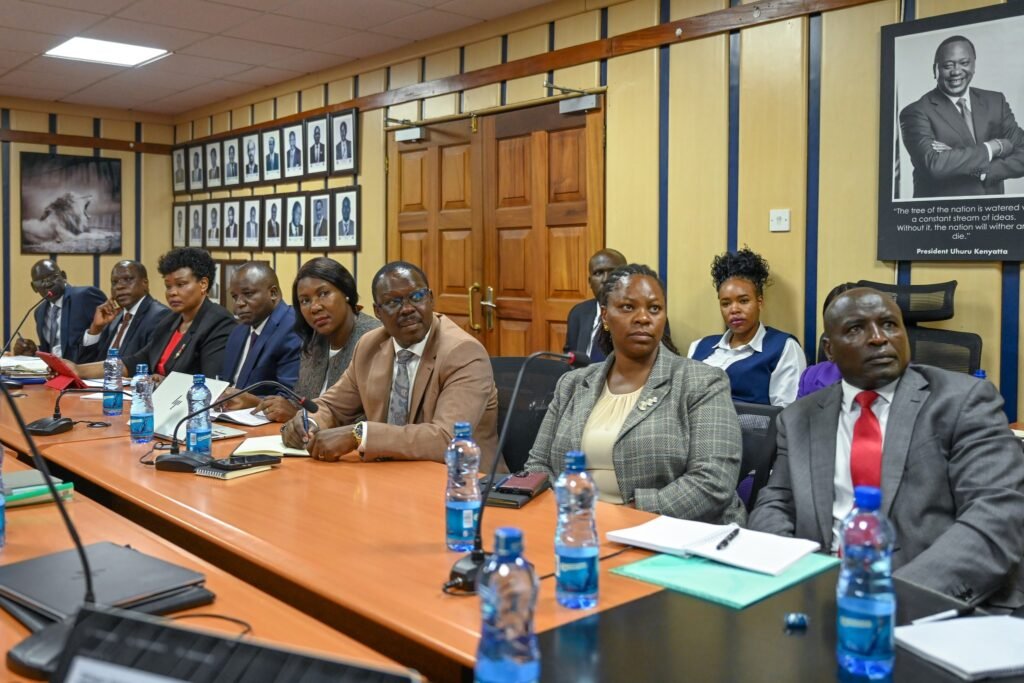
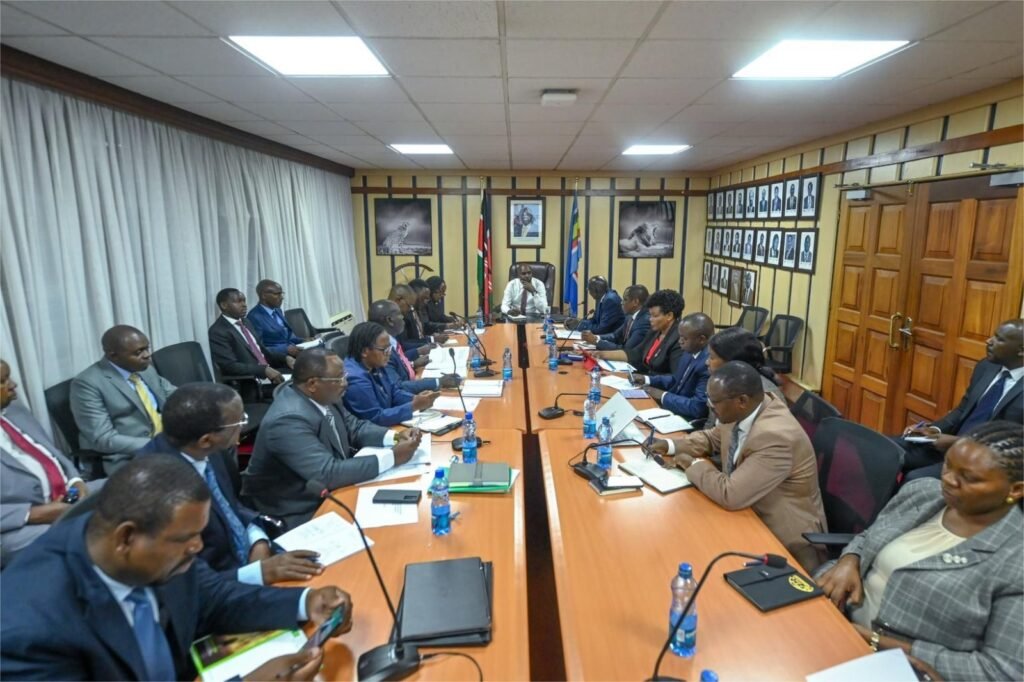
The CS revealed that he had held a high-level meeting with the Principal Secretary for Immigration and Citizen Services, Dr Belio Kipsang’, alongside heads of directorates within the State Department, to review progress and chart the next phase of reforms.
“Together with PS Dr Belio Kipsang, this morning I met with heads of directorates in the State Department for Immigration and Citizen Services to discuss ways of consolidating our gains and rolling out more reforms in the sector,” Murkomen said.
NARROWING THE GAP
He outlined several measures already implemented by the government, describing them as part of a deliberate effort to dismantle financial and bureaucratic barriers that have historically locked out many Kenyans from accessing essential identification documents.
“The government has already abolished all fees for first-time ID applicants, removed the extra vetting requirement for ID applicants in border counties—without compromising security—and fast-tracked the issuance of IDs and passports,” he noted.
Additional changes include the scrapping of fees for authenticating birth certificates during ID and passport applications, as well as the waiver of charges for duplicate identity cards. According to Murkomen, these reforms are designed to make identification services more inclusive, particularly for vulnerable and marginalised populations.
While he did not disclose specific details of the next round of reforms, the CS hinted at a broader shake-up of how immigration and citizen services are delivered.
PARALLEL SERVICE
“More changes are lined up to facilitate more efficient service delivery to the public,” he said, signalling continued restructuring within the department.

The meeting brought together senior government officials, including National Registration Bureau Secretary Dr Christopher Wanjau, Civil Registration Secretary Paul Mwangemi, eCitizen Services Director-General Ambassador Isaac Ochieng, Immigration Services Director-General Evelyn Cheluget, Nairobi Regional Commissioner Gilbert Kitiyo, Commissioner for Refugee Affairs Mercy Mwasaru, Secretary Administration Serser Chelulei, and other officials.
The renewed push for reforms comes against the backdrop of wider changes in Kenya’s immigration policy. In March last year, the government launched the Shirika Plan, a comprehensive initiative aimed at integrating refugees into Kenya’s socioeconomic framework.
The plan marks a shift from a purely humanitarian response to a government-led, development-oriented approach, aligned with Vision 2030, the Bottom-Up Economic Transformation Agenda (BETA), and global commitments such as the 2018 Global Compact on Refugees. It seeks to replace parallel service delivery systems with an integrated model that allows refugees to access education, healthcare and economic opportunities alongside host communities.


