
Moi International Airport (MIA) in Mombasa remains one of Kenya’s most strategic transport assets, serving as the main international gateway to the Coast and a growing logistics hub for the wider East African region.
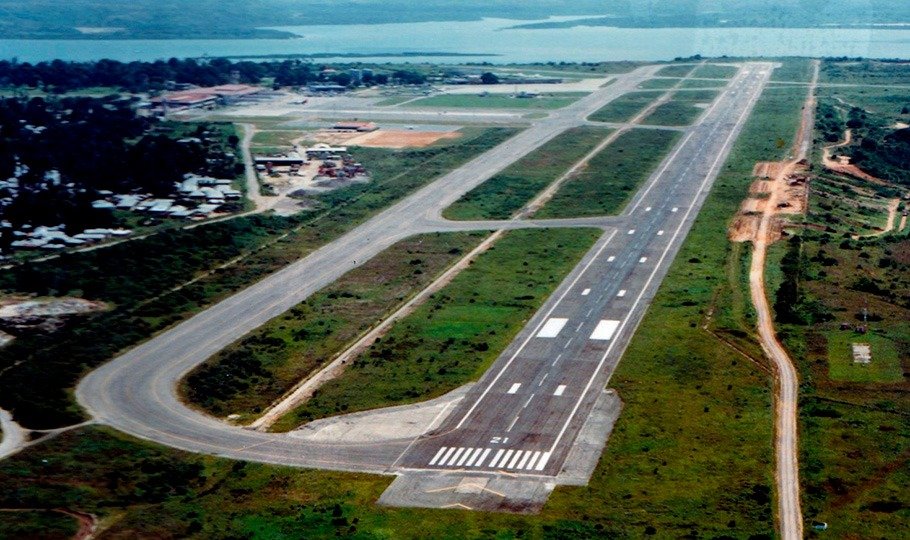
As of early 2026, the airport is central to government plans to boost tourism arrivals, expand exports, and decongest Nairobi’s Jomo Kenyatta International Airport (JKIA).
A lifeline for tourism and regional travel
MIA handles an estimated 60 per cent of all tourists entering Kenya, making it the single most important airport for the Coast’s tourism economy. More than 18 international airlines operate direct flights into Mombasa, connecting the city to major European destinations and over 20 regional cities across Africa and the Middle East.
Beyond leisure travel, the airport acts as a critical alternative hub to JKIA, supporting domestic flights and strengthening regional air connectivity in Eastern Africa. This role has gained renewed importance as Kenya pursues an “open skies” policy to attract more long-haul flights directly to Mombasa.
A growing logistics and trade gateway
Moi International Airport is also an increasingly important logistics node, closely linked to the Port of Mombasa. The airport serves as a key exit point for high-value exports such as seafood, horticultural produce, and livestock.
Cargo volumes handled at MIA rose to over 5.1 million kilograms in 2025, up from 4.1 million kilograms in 2024, reflecting growing demand for faster export routes and improved cold-chain infrastructure.
Mombasa Governor Abdulswamad Nassir has argued that the airport’s proximity to the port gives it unmatched logistical potential. Speaking in Mombasa on January 13, 2026, he said:
“Moi International Airport should be treated as a national economic asset, not a secondary facility. Its location next to the Port of Mombasa makes it critical for logistics and trade.”
Recent Government upgrades and Billions in investment
To maintain MIA’s competitiveness, the government has accelerated major infrastructure upgrades. In late 2025, a US$66 million project — equivalent to about KSh 8.5 billion — was announced to support construction of a new runway, modern terminal facilities, and enhanced power supply.
In August 2025, the government broke ground on the rehabilitation of aircraft pavements and the Airfield Ground Lighting System, enabling safer landings and 24-hour airport operations.
Transport Cabinet Secretary Davis Chirchir, speaking at a transport sector stakeholder forum on August 15, 2025, linked these investments to Kenya’s broader competitiveness goals:
“We want to become that anchor state that attracts visitors, and when you come, you feel good arriving through the airport.”
MIA has also positioned itself as a sustainability leader. It is East Africa’s first “green airport,” powered in part by a 500-kilowatt solar photovoltaic system that supplies roughly half of its electricity needs. Additionally, the Kenya Airports Authority (KAA) is rolling out an Electronic Document and Records Management System to improve efficiency and service delivery.
PPP Push and expansion plans beyond 2026
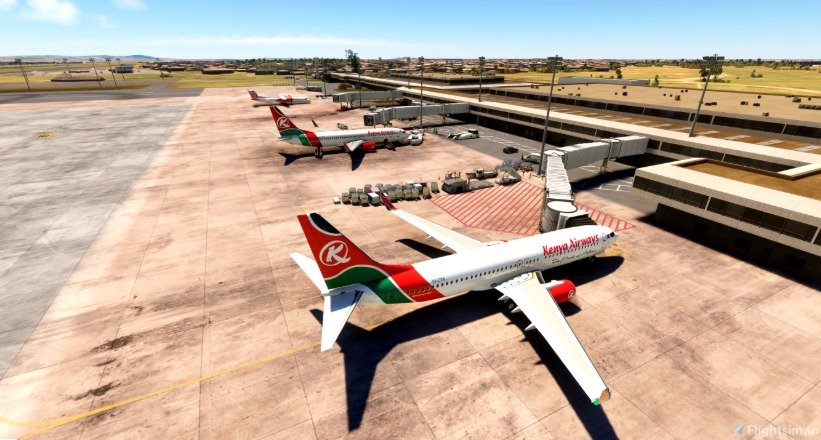
Looking ahead, the government has confirmed further upgrades under a nationwide airport modernisation programme launched on February 3, 2026. Planned works at MIA include improved mechanical ventilation and air-conditioning systems, passenger amenities such as a garden restaurant, and expanded terminal services.
There is also mounting political momentum to redevelop the airport through a Public-Private Partnership (PPP) model to fast-track expansion of terminal capacity and cold-chain facilities.
Governor Nassir has been one of the strongest advocates for this approach. During the same January 13, 2026 address in Mombasa, he warned against delays, stating:
“We are tired of being the second option. Bypassing PPP for the modernisation of Moi International Airport is holding back the Coast’s growth.”
He added that safeguards are needed to protect public interest:
“We must design the PPP to protect the public interest. That means competitive tendering, transparent disclosure of key terms, and strong regulatory oversight.”
Recognition despite infrastructure pressure
Even as expansion continues, Moi International Airport has consistently earned international recognition. The facility has been ranked multiple times by Airports Council International as the Best Airport in Africa in the under-two-million-passenger category, reflecting high passenger satisfaction and service quality.
Reacting to the accolade during an award ceremony on March 14, 2024, then Acting KAA Managing Director Henry Ogoye said:
“This accolade reaffirms our commitment to providing exceptional experiences to all our passengers and inspires us to continue elevating our standards.”
Why it matters
For the government, Moi International Airport is more than a transport facility. It is a strategic pillar for tourism recovery, export growth, regional connectivity, and job creation at the Coast. With billions already committed and further reforms underway, the airport is set to play an even bigger role in Kenya’s economic transformation in the years ahead.


