
By 2027, Nairobi may look and feel like a different city altogether.

From multi-billion-shilling highways and airport expansions to new skyscrapers and a 60,000-seat stadium for AFCON, the capital is in the middle of an infrastructure surge aimed at easing congestion, boosting trade and cementing its status as a regional powerhouse.
Here are the mega-projects set to reshape Nairobi over the next two years.
1. The Highway Revolution
Nairobi-Nakuru-Mau Summit Highway (A8 Expansion)
One of Kenya’s most critical transport corridors, the 175-kilometre highway connecting Nairobi to Nakuru and Mau Summit is being expanded into a dual carriageway.
With a June 2027 completion deadline, the project is expected to significantly reduce travel time to Western Kenya and improve cargo movement along the Northern Corridor.
Ngong–Naivasha Road Flyover (AFCON Boost)
To ease traffic ahead of the 2027 Africa Cup of Nations, a major flyover and junction upgrade is underway near Ngong Road. The project is designed to support increased traffic flow toward the upcoming Talanta Sports City.
Mau Mau Road (540km)
This expansive road project aims to better connect rural regions to Nairobi, improving agricultural trade and opening up new economic zones.
Together, these projects aim to unclog Nairobi’s arteries — long criticised for gridlock and inefficiency.
2. AFCON 2027 and the Sports infrastructure boom
Talanta Sports City
A brand-new 60,000-capacity stadium is under construction along Ngong Road in Dagoreti. Built to host matches during AFCON 2027, the ultra-modern facility is expected to transform Nairobi’s sporting profile and attract global attention.
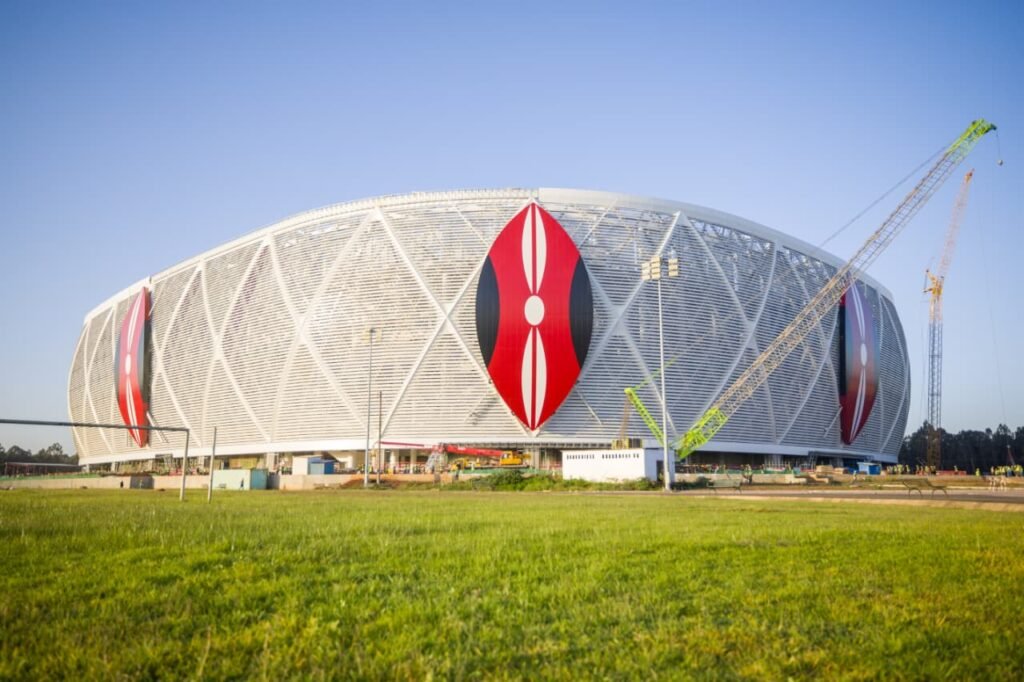
Beyond football, the stadium is designed to host concerts, athletics and major continental events, positioning Nairobi as a sports tourism destination.
Jomo Kenyatta International Airport Expansion
JKIA is set for major expansion works starting in 2026 to address overcapacity and modernise facilities. The upgrade aims to strengthen Nairobi’s role as East Africa’s aviation hub, boosting tourism, cargo handling and international connectivity.
3. Skyscrapers and Skyline Ambition
NSSF Twin Towers
The ambitious twin-tower project in the CBD is set to dramatically alter Nairobi’s skyline. Once completed, the development will feature high-end office spaces, serviced apartments, retail outlets and an observation deck offering panoramic city views.
The Pinnacle
Originally planned as a 70-storey skyscraper and among the tallest in Africa, the Pinnacle project has faced delays. However, if revived, it would significantly elevate Nairobi’s architectural profile.
These developments signal Nairobi’s intention to compete with cities like Johannesburg, Lagos and Addis Ababa in commercial real estate and vertical urban design.
4. Rail expansion
Standard Gauge Railway Extension to Kisumu
The planned extension of the SGR from Naivasha to Kisumu is expected to enhance cargo transport to the Lake Victoria region by 2026/2027.
For Nairobi, this means improved logistics efficiency, reduced pressure on roads and enhanced access to regional markets.
A City reinventing itself
The wave of mega-projects is about more than construction cranes and concrete.
It is about easing traffic congestion, expanding commercial space, attracting international events and strengthening Nairobi’s economic muscle. If completed on schedule, these developments could reposition the capital as one of Africa’s leading hubs for trade, tourism, sports and aviation.
By 2027, Nairobi may not just be growing, it may be redefining itself.
Whether it’s smoother highways, a new AFCON stadium, expanded airport terminals or skyline-piercing towers, one thing is clear: the capital is building toward a bold new chapter.


