
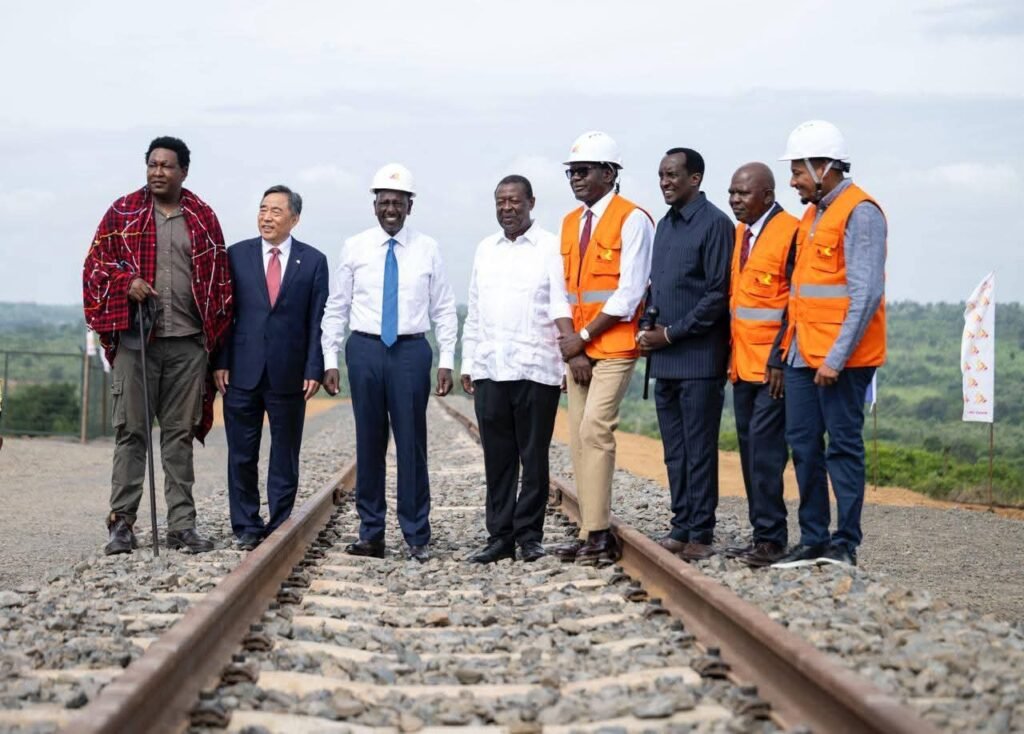
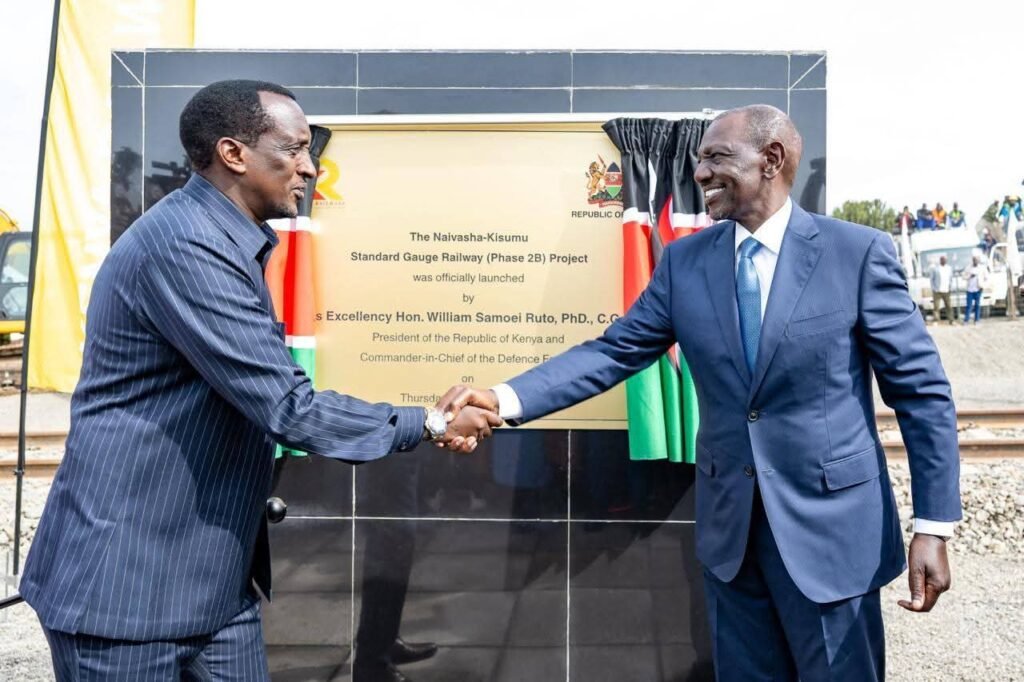
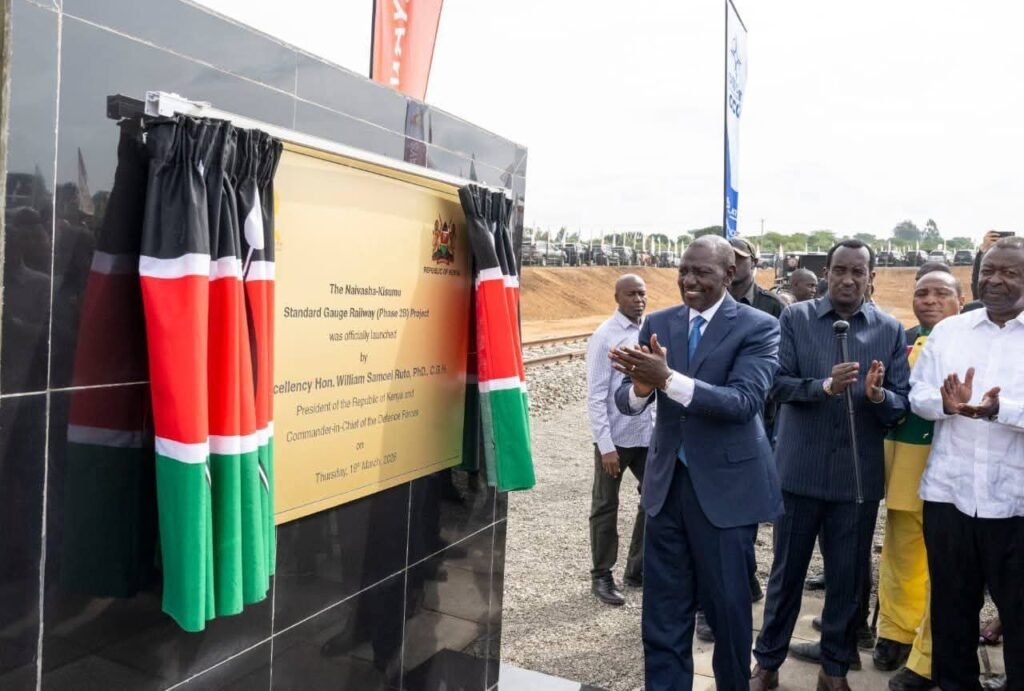
President William Ruto has officially launched the next phase of the Standard Gauge Railway (SGR), marking a major step in extending the line from Naivasha to Kisumu and eventually to Malaba. The expansion is expected to strengthen regional trade and position Kenya as a key logistics hub in East Africa.
The project builds on the existing SGR line from Mombasa to Naivasha, which has become a critical transport corridor for both cargo and passengers. Officials say the new phase will unlock economic opportunities across western Kenya and improve cross-border connectivity.
From colonial railway to modern transport system
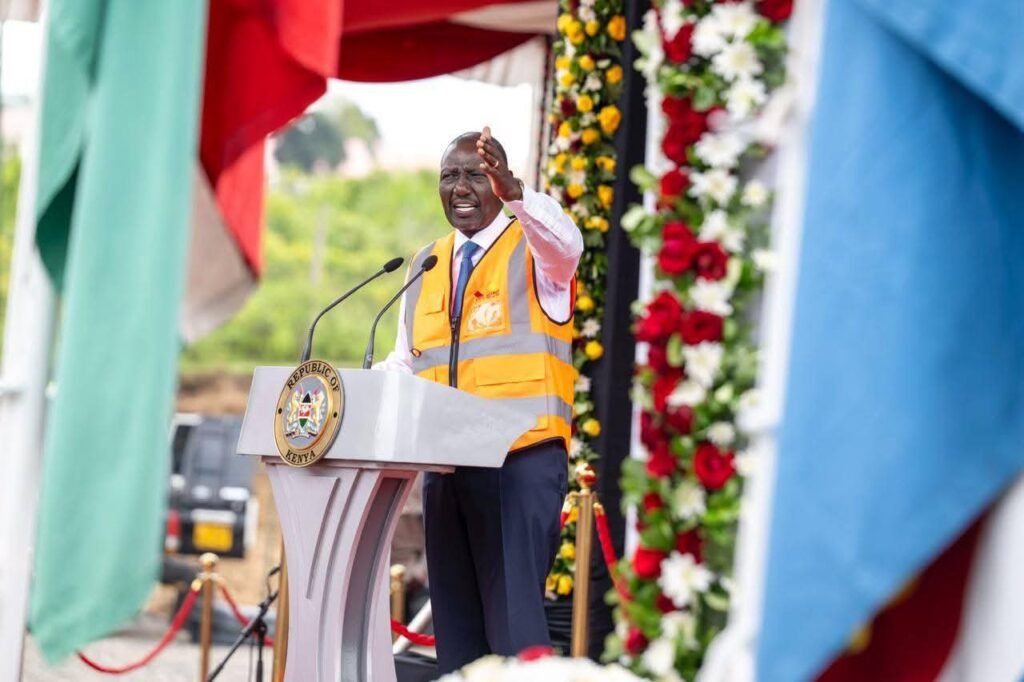
Speaking during the groundbreaking ceremony, President Ruto reflected on the origins of the SGR project and its transformation over time.
“In 2014, we embarked on the bold task of replacing the 130-year old colonial railway line from Mombasa to Kisumu, infamously called the ‘Lunatic Express’, with a modern Standard Gauge Railway (SGR),” said Ruto.
He noted that the first phase of the railway faced criticism at its inception but has since proven its value to the country’s economy.
“The first phase of the SGR, running from Mombasa to Naivasha, was initially dismissed by skeptics as a ‘railway to nowhere’. But today, it stands vindicated as a transformative backbone of our national transport system, driving efficiency in the movement of goods and passengers,” he said.
New phase to connect Kisumu and Malaba
The new phase will see the railway extended over 264 kilometres from Naivasha to Kisumu, with an additional 8.69-kilometre branch line linking to the proposed Kisumu Port. The final stretch from Kisumu to Malaba will cover 107 kilometres, creating a seamless connection to Uganda and the wider region.
“We are now advancing the next phase by extending the SGR from Naivasha to Kisumu and eventually to Malaba,” Ruto said.
The expansion is expected to enhance the movement of cargo from the Port of Mombasa to inland destinations while reducing transport costs and travel time.

Nine counties set to benefit
The railway corridor will pass through nine counties including Narok, Bomet, Nyamira, Kericho, Kisumu, Siaya, Vihiga, Kakamega, and Busia. Leaders say the project will open up these regions for trade, investment, and industrial growth.
“Traversing nine counties, this strategic corridor will significantly ease the movement of people, goods, and services,” said Ruto.
Local economies along the route are expected to benefit from improved access to markets and increased economic activity driven by infrastructure development.
Boost to regional trade and logistics
The government says the SGR extension will play a critical role in strengthening Kenya’s position as a regional transport hub. By linking the railway to neighbouring countries, the project is expected to support trade within the East African Community.
“It will also catalyse regional economic growth, and firmly position Kenya as a leading transport and logistics hub in Eastern and Central Africa,” Ruto added.
Experts say the expansion aligns with Kenya’s broader infrastructure strategy aimed at improving connectivity, reducing logistics costs, and supporting industrialisation.
What lies ahead
The groundbreaking marks the beginning of what is expected to be a major infrastructure undertaking with long-term economic impact. As construction progresses, attention will be on timelines, financing, and integration with existing transport systems.
For Kenya, the extension of the SGR signals a continued commitment to large-scale infrastructure projects aimed at driving growth, enhancing regional trade, and modernising the country’s transport network.


