
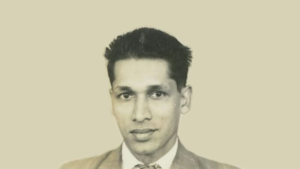
In the cold, mist-covered forests of the Aberdares and Mount Kenya, a different kind of war unfolded—one without formal battle lines, but full of determination and quiet resilience. It was here that Dedan Kimathi rose to prominence, turning dense woodland into the nerve center of one of Africa’s most significant anti-colonial struggles.
By the early 1950s, tensions in colonial Kenya had reached a breaking point. Indigenous communities, particularly the Kikuyu, had been pushed off fertile lands and subjected to harsh economic and political controls. The Mau Mau uprising emerged from this pressure, not as a sudden rebellion, but as a slow-burning resistance. Kimathi would soon become its most recognizable face.
From rebel to forest general
Kimathi’s early life in Nyeri gave little hint of the legend he would become. Educated but frequently at odds with authority, he carried a strong sense of justice and independence. His brief stint in the King’s African Rifles during World War II exposed him to military discipline, but it was in the forest that he truly found his command.
As the uprising intensified, Kimathi helped transform the Mau Mau into a structured fighting force known as the Kenya Land and Freedom Army. He introduced ranks, enforced discipline, and coordinated operations across different regions. Fighters looked to him not just for orders, but for direction and purpose.
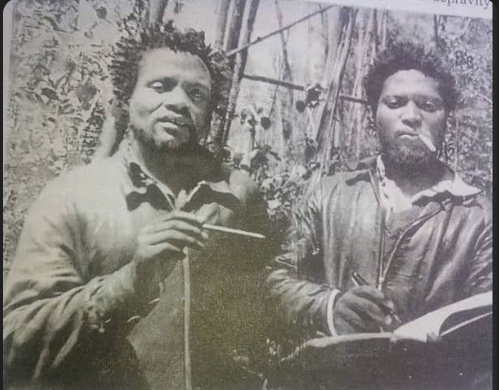
Kimathi was not just a fighter—he was an organizer. He established a structured command system, enforced discipline among fighters, and maintained communication through written orders and coded messages. His leadership turned the forest into a strategic base of operations, frustrating British forces for years.
The Forest War: Strategy and Survival
Operating from the forests, Kimathi and his fellow fighters used guerrilla tactics—ambushes, sabotage, and mobility—to counter the better-equipped British army. The terrain worked to their advantage, but survival was harsh. Fighters endured hunger, disease, and constant pursuit.
Kimathi also played a spiritual role within the movement. The Mau Mau oath, a controversial yet binding ritual, was central to unity and loyalty. While critics viewed it as coercive, supporters saw it as a necessary tool in a life-or-death struggle.
Capture and Trial
After years of evading capture, Kimathi’s resistance began to weaken as British forces intensified their counterinsurgency efforts. Villagization programs cut off supplies from rural communities, isolating forest fighters.
On October 21, 1956, Kimathi was captured in the Nyeri region after being wounded. His arrest marked a turning point in the uprising.
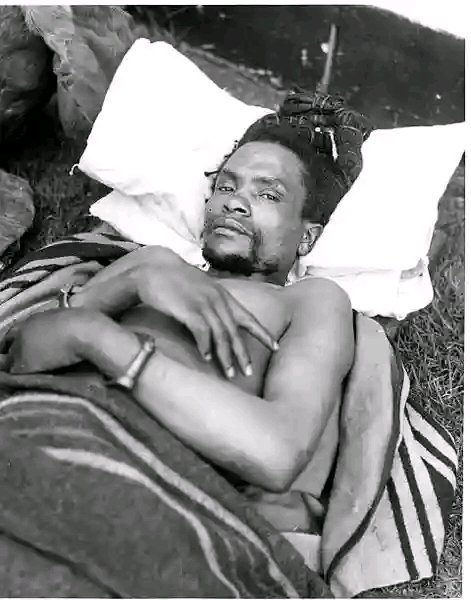
He was tried in a colonial court, not for leading a rebellion, but for possession of a firearm—a charge that carried the death penalty under emergency laws. The trial was widely criticized as symbolic, intended to crush the spirit of resistance.
Execution and Final Words
On February 18, 1957, Dedan Kimathi was executed by hanging at Kamiti Maximum Security Prison. Before his death, he reportedly wrote to his wife, expressing his conviction that the struggle would outlive him.
His execution did not end the push for independence. Instead, it cemented his status as a martyr.
The Mystery of His Burial
Following his execution, Kimathi was buried in an unmarked grave within the prison grounds. The colonial government deliberately concealed the location to prevent it from becoming a site of resistance or remembrance.
Decades later, the exact location of his remains remains uncertain, though efforts have been made to identify and honor his burial site.
Legacy: From “Terrorist” to National Hero
For many years after independence in 1963, the Mau Mau movement—and Kimathi himself—remained politically sensitive topics. Early post-independence governments distanced themselves from the movement, labeling it divisive.
However, this narrative shifted over time. In 2003, the Kenyan government officially recognized Mau Mau fighters as freedom heroes. Kimathi’s image was restored to its rightful place in national history.
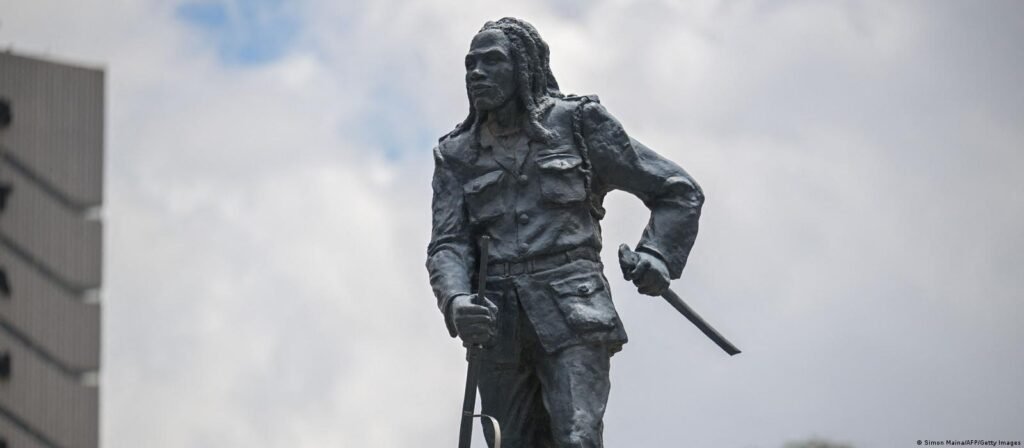
Today, his legacy is commemorated through monuments, institutions, and public memory. Dedan Kimathi University of Technology and various landmarks bear his name, ensuring that future generations remember his contribution.
A Complex but Enduring Symbol
Dedan Kimathi’s story is not a simple one. To some, he was a freedom fighter who stood against injustice; to others, especially during the colonial era, he was labeled a rebel and insurgent. But history has increasingly leaned toward recognizing the broader context of his struggle.
What remains undeniable is his impact. Kimathi transformed resistance into organized defiance and inspired a movement that ultimately contributed to Kenya’s independence.
His life raises enduring questions about resistance, justice, and the cost of freedom. And in the forests where he once led his fighters, his story still echoes—a reminder that even the most powerful empires can be challenged.


