
Kenya’s affordable housing programme is creating new opportunities for informal sector workers, with Jua Kali artisans among the biggest beneficiaries.
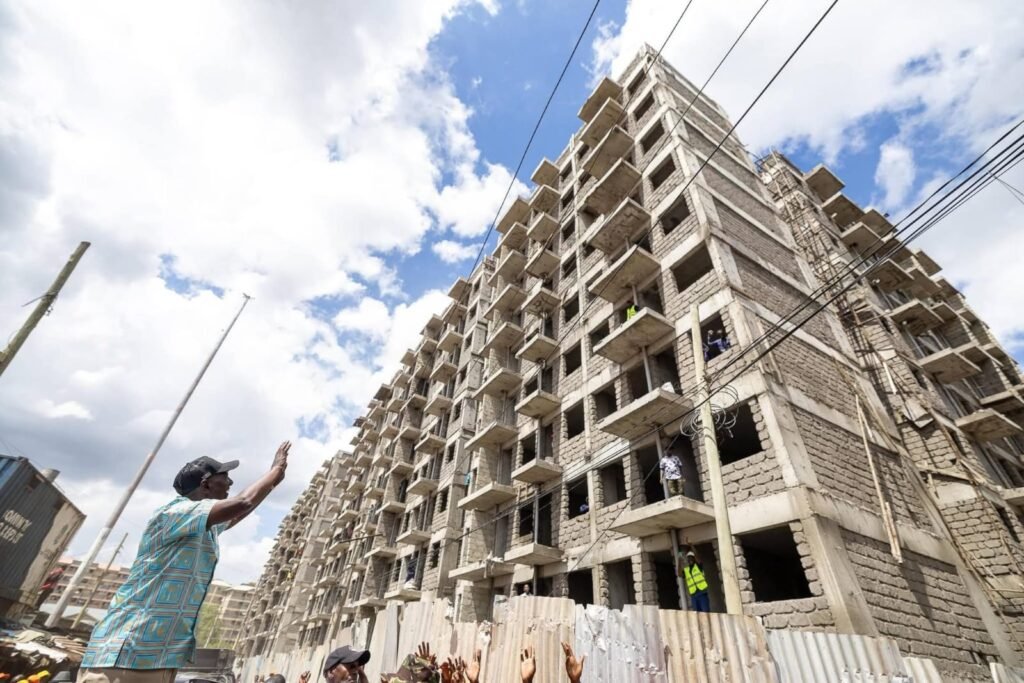
The initiative, rolled out under the government’s development agenda, is providing steady demand for locally produced materials and skilled labor, boosting incomes within the sector.
Officials say the programme is designed not only to address the housing deficit but also to stimulate job creation and support small-scale industries.
“This programme is not just about houses, it is about livelihoods,” a government official said.
Increased demand for local products
Jua Kali artisans are supplying a wide range of products including doors, windows, grills, and other construction materials used in housing projects.
The increased demand has provided consistent work for many artisans, enabling them to expand their operations and improve their earnings.
“We are now getting more orders than before. The housing projects have really helped us grow,” said one artisan involved in fabrication work.
Industry stakeholders say the programme is helping formalize parts of the informal sector by linking artisans to larger supply chains.
Skills development and formalization
Beyond job creation, the housing programme is also promoting skills development through training initiatives and partnerships with technical institutions.
Artisans are being trained to meet quality standards required for large-scale construction, improving both productivity and product quality.
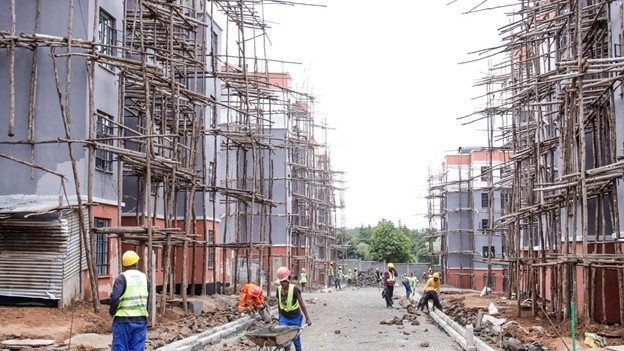
Officials say the move is key to ensuring that locally produced materials can compete effectively in the market.
“We are equipping artisans with the skills they need to meet modern construction demands,” the official added.
Boost to local economy and job creation
The programme is contributing to economic growth by creating jobs across the construction value chain, from production to installation.
Jua Kali sector players say the initiative has improved livelihoods and provided more stable income streams for workers who previously relied on irregular jobs.
Economists note that integrating informal sector players into large government projects can have long-term benefits for economic inclusion and industrial growth.
“This is a model that supports both development and economic empowerment,” the official said.
Sustaining the momentum
While the gains are significant, stakeholders emphasize the need for sustained investment and policy support to maintain momentum.
They are calling for continued collaboration between government, private sector, and artisans to ensure long-term growth and stability.
Officials say the affordable housing programme will continue to prioritize local content, ensuring that more artisans benefit as projects expand across the country.
“We want to ensure that no one is left behind as we develop our nation,” the official said.


