


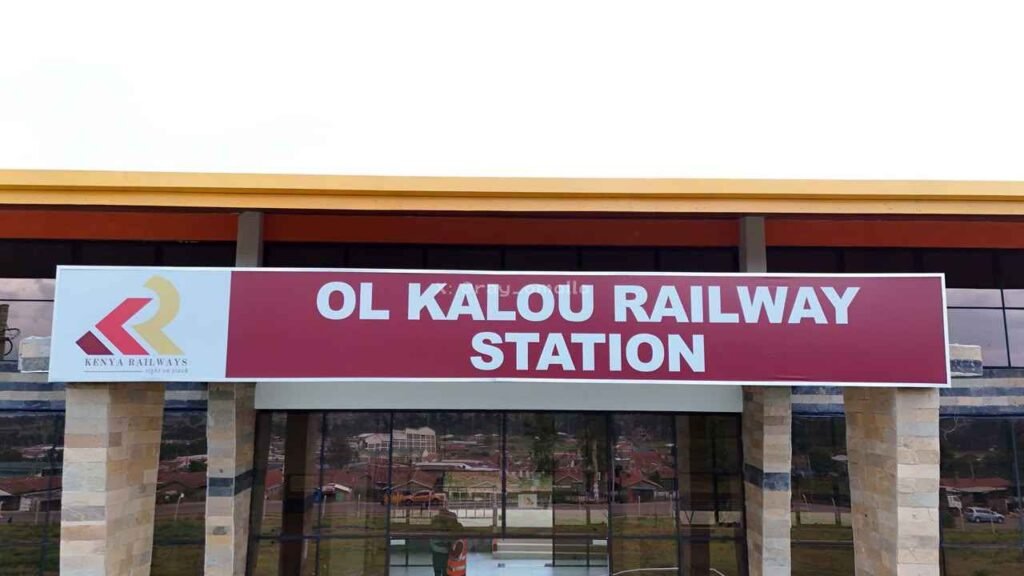
The government has officially revived railway operations along the Gilgil–Ol Kalou–Nyahururu metre gauge line, restoring services on a corridor that had remained inactive for nearly 46 years.
The Ministry of Interior described the reopening as a major infrastructure milestone that is expected to strengthen agricultural trade, improve passenger transport and stimulate economic activity in Central Kenya.
According to Interior Principal Secretary Raymond Omollo, train services resumed in June 2026, bringing back operations on the 78-kilometre railway branch that had ceased functioning in 1980.
Why was the railway abandoned?
The Ol Kalou railway was originally built during the colonial period and commissioned in 1929 to transport agricultural produce from the region to major markets.
However, the line gradually became inactive as road transport expanded, maintenance declined and changing economic priorities reduced reliance on rail freight.
By 1980, train services had completely stopped, leaving the railway corridor dormant for more than four decades.
How was the railway restored?
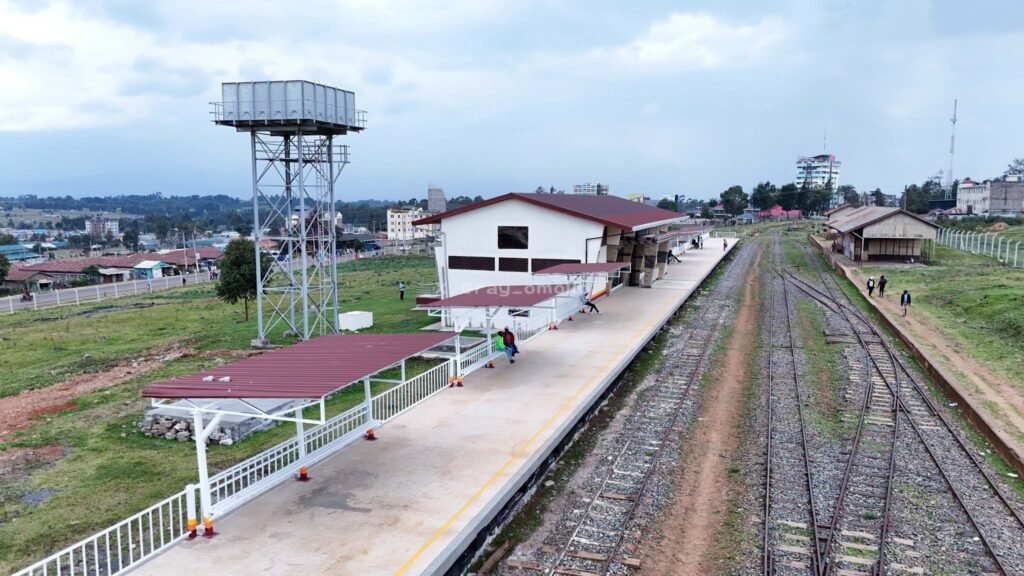
Omollo said the rehabilitation was carried out through a partnership between Kenya Railways and the Kenya Defence Forces (KDF) Engineering Brigade.
Although rehabilitation works began in 2020, the project’s financing, operational preparations and eventual relaunch were completed under the current administration.
The government says the restoration forms part of a broader plan to modernise transport infrastructure while improving access to markets for agricultural communities.
How will residents benefit?
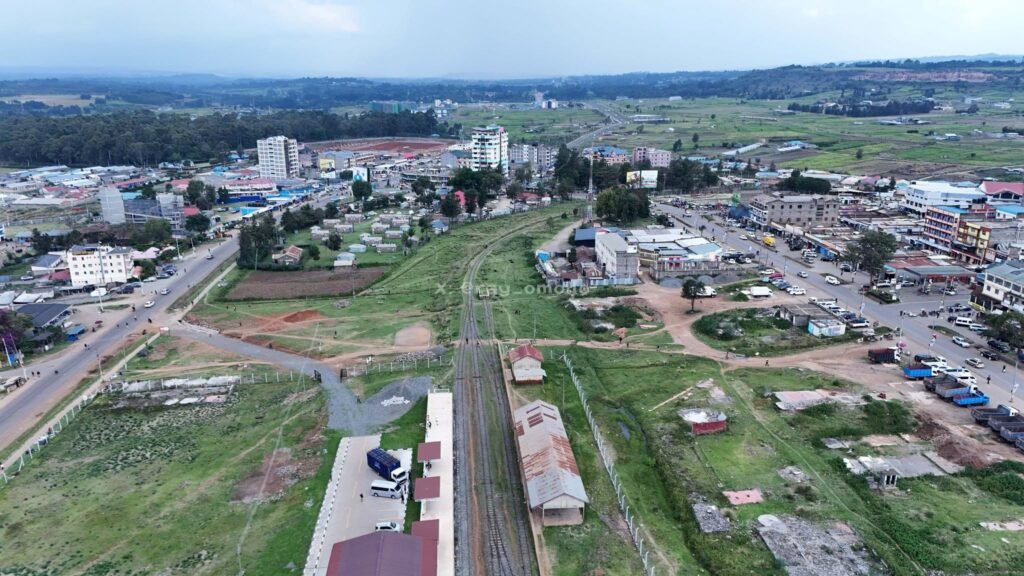
The revived railway is expected to serve both passengers and cargo.
Passenger services are now provided through the Nyahururu Safari Train, also known as the Thompson Train, which connects Nairobi, Ol Kalou and Nyahururu.
For farmers, the railway is expected to lower transportation costs by moving subsidised farm inputs directly to the National Cereals and Produce Board (NCPB) depot in Ol Kalou through a dedicated rail siding.
Officials say the improved transport network will also enhance the movement of agricultural produce and reduce dependence on road transport.
Freight services already underway
The railway revival follows the resumption of freight services announced by Kenya Railways in June 2026, when the corporation transported 396 tonnes of government-subsidised fertiliser from Athi River to NCPB depots in Ol Kalou and Nyahururu.
The shipment, carried using 11 metre gauge railway wagons, marked the first cargo movement along the corridor since the railway was shut down more than four decades ago.
More investment expected
Kenya Railways says the restored corridor has already attracted interest from companies seeking affordable cargo transport services.
Potential users include firms involved in fertiliser distribution, cement manufacturing, dairy processing and freight logistics.
Beyond industrial cargo, the corporation says the railway could also support the transportation of construction materials, livestock and agricultural products while offering communities along the route a safer, more affordable and environmentally friendly passenger transport option.
The government believes the revival of the historic railway will not only improve regional connectivity but also unlock new economic opportunities for businesses and farmers across Nyandarua and neighbouring counties.


