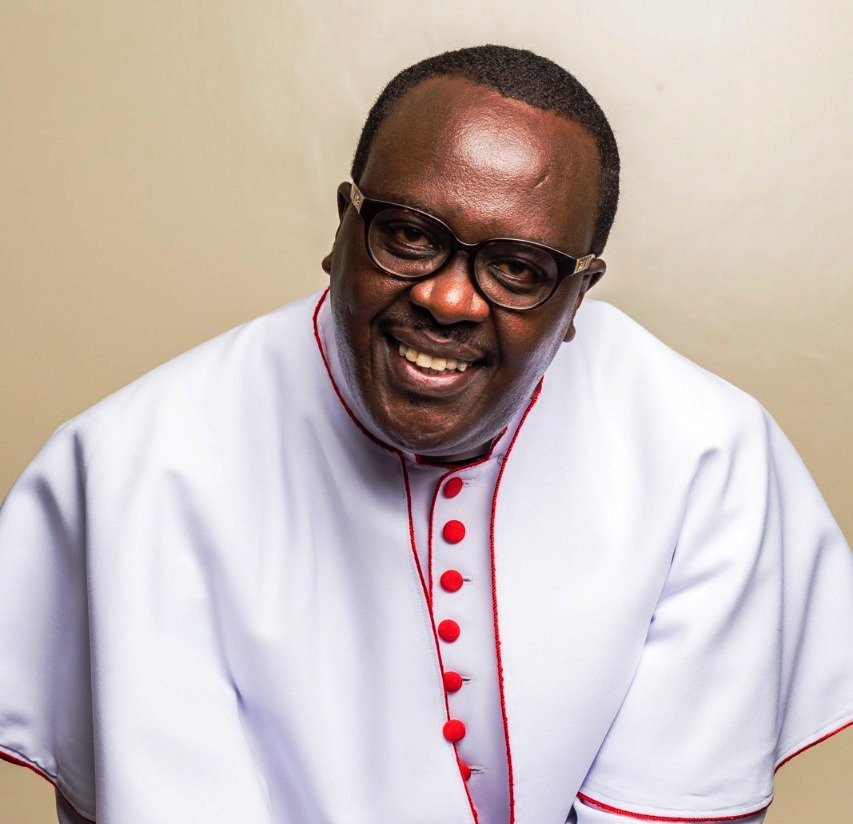
The appointment of Bishop Sarah Mullally as the next Archbishop of CANTERBURY has raised the question of gender in leadership. Some people contend that according to St. Paul’s -‘a Bishop must be the husband of one wife. Clearly articulating that a Bishop is a male. Further, a priest is someone who functions as a father to a family, an icon of paternal authority, and gender is not unrelated to such fatherhood. Furthermore, Men and women have different gifts, different approaches to life, and different roles in the family, and these differentia are supported by their biology.
This ideology cannot go without being challenged. The claim that “a bishop must be the husband of one wife” (1 Timothy 3:2) excludes women misunderstands Paul’s intention. Paul’s focus is moral character, not gender restriction. In his cultural context, only men held such public offices, so the language naturally reflected that. The Greek phrase mias gynaikos andra — literally “a one-woman man” — was about faithfulness, not a prescription of maleness.

Scripture itself gives us abundant evidence of women exercising leadership under God’s call:
• Deborah judged Israel (Judges 4–5);
• Huldah the prophetess was the interpreter of the Law (2 Kings 22:14–20);
• Priscilla taught the learned Apollos (Acts 18:26);
• Phoebe was a deacon and patron (Romans 16:1–2);
• Junia is named by Paul as “prominent among the apostles” (Romans 16:7).
The heart of the gospel is not biological privilege but spiritual gifting. At Pentecost, Peter declares Joel’s prophecy fulfilled: “Your sons and your daughters shall prophesy.” (Acts 2:17). The Spirit falls on all flesh — men and women — breaking the old barriers of law, tribe, and gender.
To say that women cannot lead because God’s “order is different” risks turning creation’s diversity into hierarchy. In Christ, the new creation reorders our understanding of authority — not as domination or fatherhood, but as service and sacrifice (Mark 10:43–45).
When a woman is called, anointed, and affirmed by the Church, she does not violate God’s order — she embodies the Spirit’s radical inclusivity. Bishop Sarah is not a woman Bishop, but a bishop who is a woman. That makes the difference. My two cents.