
Jomo Kenyatta International Airport (JKIA) is in the middle of one of its most extensive transformation phases since it opened in 1978, with completed refurbishments, ongoing airside works and multi-billion-shilling projects lined up from 2026.
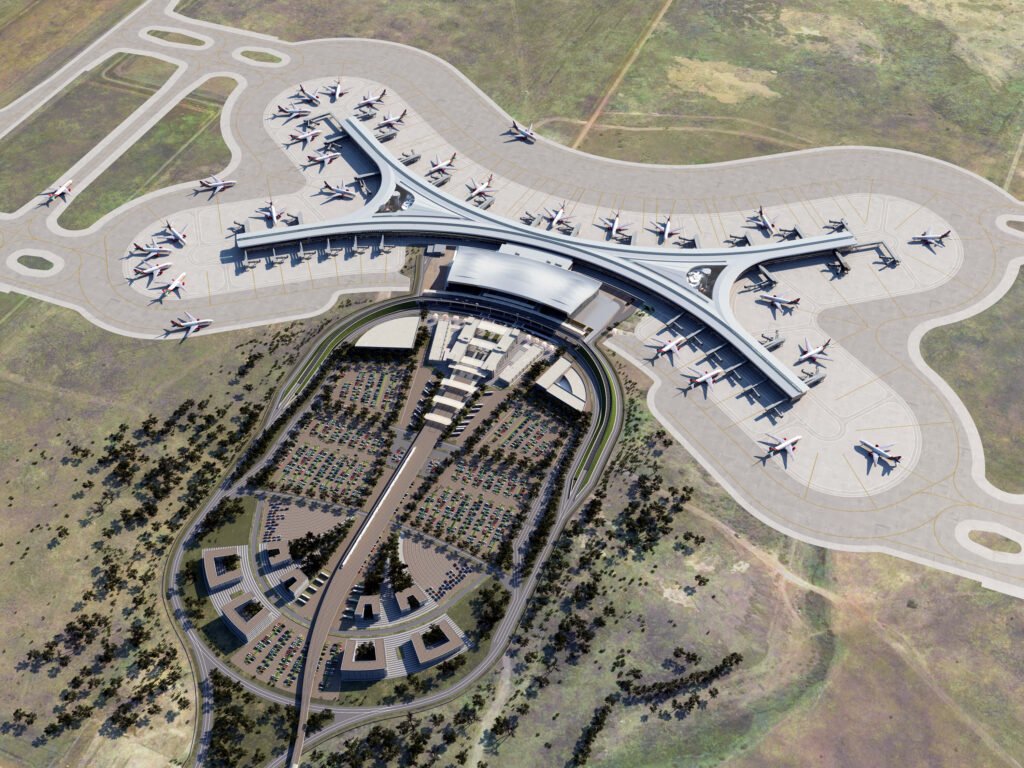
The upgrades are reshaping how passengers move through the airport, how cargo is handled and how many jobs the aviation ecosystem can support.
What has already been upgraded
Over the past two years, Kenya Airports Authority (KAA) has completed targeted but critical improvements aimed at easing congestion and improving passenger experience. Terminals 1B and 1C were refurbished at a cost of about Sh963 million, focusing on better passenger flow, upgraded interiors, consolidated security screening and improved baggage handling.
These works were designed to stabilise operations as traffic surged. In 2025, JKIA handled about 8.6 million passengers, well above its original design capacity of 2.5 million and beyond its effective upgraded threshold of 7.5 million passengers a year, according to KAA data.
Security systems have also been modernised, including expanded CCTV coverage and preparatory work for facial recognition technology. KAA chairman Caleb Kositany has previously noted that JKIA “was designed for about two million passengers annually, but we are now handling more than three times that number,” underscoring why incremental upgrades were unavoidable even before major expansion begins.
Major projects underway and planned
The most significant airside upgrade is the second parallel runway, a project estimated at $189.6 million (about Sh37 billion). The runway will be 4.9 kilometres long, built to ICAO CAT II standards, and located 2.35 kilometres from the existing runway, allowing simultaneous take-offs and landings. The project is co-financed by the African Development Bank (84.4%) and the Government of Kenya (15.6%), with completion targeted for June 2027.
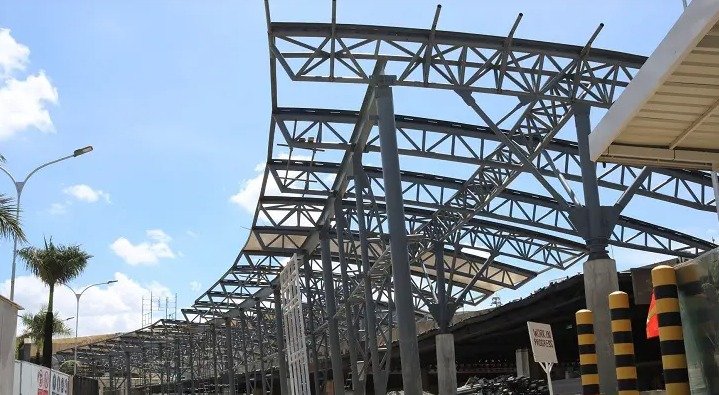
Beyond the runway, the government has approved plans for a new, modern passenger terminal and a wider “Airport City” concept. Overall, the long-term JKIA development plan is valued at $1.6–2 billion (Sh200–260 billion), with funding expected largely through private investment and public-private partnerships, following the collapse of the Adani Group deal in 2024.
President William Ruto has been blunt about the scale of ambition. “The kind of investment JKIA needs is around Sh200 billion. Kenya doesn’t have to use public funds; this can be achieved through the private sector,” he said during a January 2026 public address.
Impact on logistics, jobs and the economy
JKIA is not just a passenger airport. It is Kenya’s main cargo gateway, handling the bulk of the country’s high-value exports. The single existing runway already supports about 72,700 aircraft movements a year, a figure projected to rise to over 195,000 movements by 2030 once capacity expands.
Transport CS Davis Chirchir has linked the upgrades directly to trade. “It doesn’t help us as a tourism destination or as exporters to deny frequencies into Nairobi because of infrastructure constraints,” he said in January 2026, pointing to Kenya’s position as one of the world’s top flower exporters.
Employment effects are also significant. Government projections estimate over 1,000 new direct permanent jobs at JKIA once the upgrades mature, alongside thousands of temporary construction jobs and indirect employment in logistics, hospitality and ground services.
With construction of major new facilities expected to start in 2026 and run into the end of the decade, JKIA’s upgrade drive is steadily shifting from stop-gap fixes to a full-scale rebuild — one that will define how Kenya moves people, goods and jobs for decades to come.

