
Matatu operators have officially withdrawn plans for a nationwide strike following high-level talks with President William Ruto, ending days of uncertainty that had threatened to cripple transport services across the country.
The breakthrough came after a series of consultations between government officials and leaders from the transport sector over rising fuel prices, which had triggered widespread protests and paralysed movement in several towns earlier this week.
Speaking from State House in Mombasa on Friday, President Ruto said the government had listened to concerns raised by operators and agreed on additional interventions aimed at easing pressure on the transport industry.
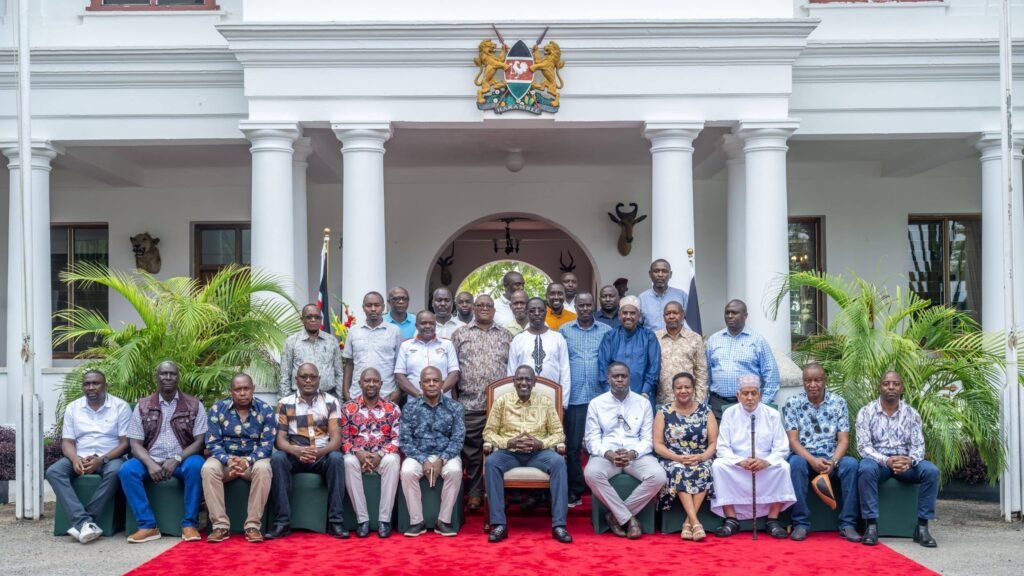
Fresh Diesel Price Cut Announced
As part of the agreement, the President announced that diesel prices would be reduced further by Sh10 per litre during the upcoming June-July fuel review cycle.
The reduction is expected to lower diesel prices in Nairobi to about Sh222.86 per litre, offering relief to matatu operators, cargo transporters, manufacturers, and farmers who rely heavily on fuel.
Ruto said the move was part of broader government efforts to cushion Kenyans from the impact of rising global oil prices while stabilising the country’s economy.
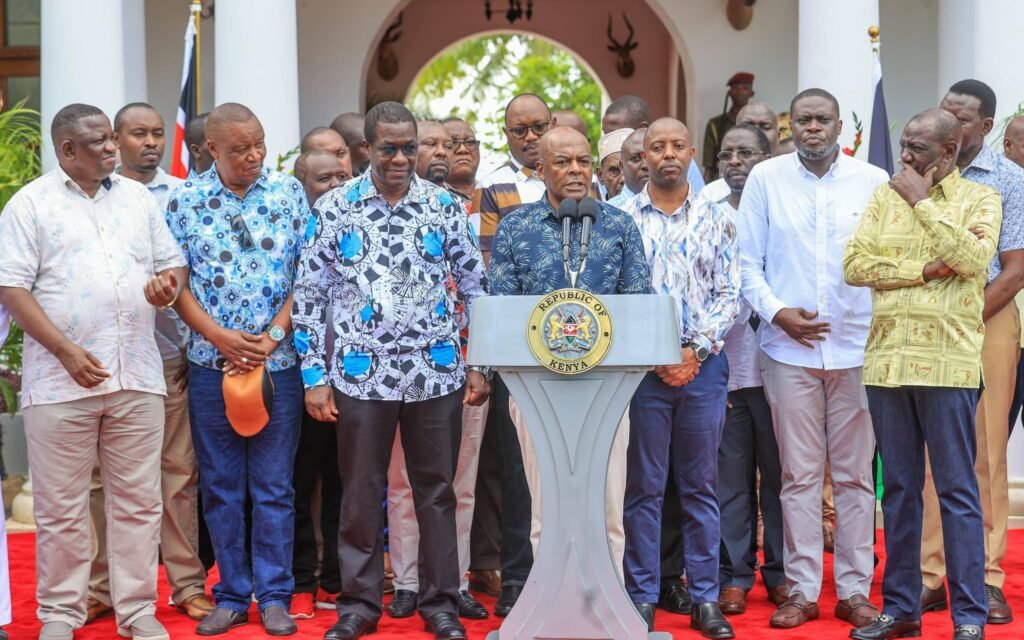
Operators Confirm Strike Is Off
Matatu Owners Association Chairman Albert Karakacha confirmed that operators had agreed to resume normal operations after the discussions with the government.
“We have called off the strike completely. We are going back to work and there will be no demonstrations next week,” Karakacha said.
He noted that continued engagement with the government and the latest fuel intervention convinced operators to abandon plans for further industrial action.
Karakacha also thanked Nairobi Governor Johnson Sakaja for helping mediate talks between transport stakeholders and the national government during the crisis.
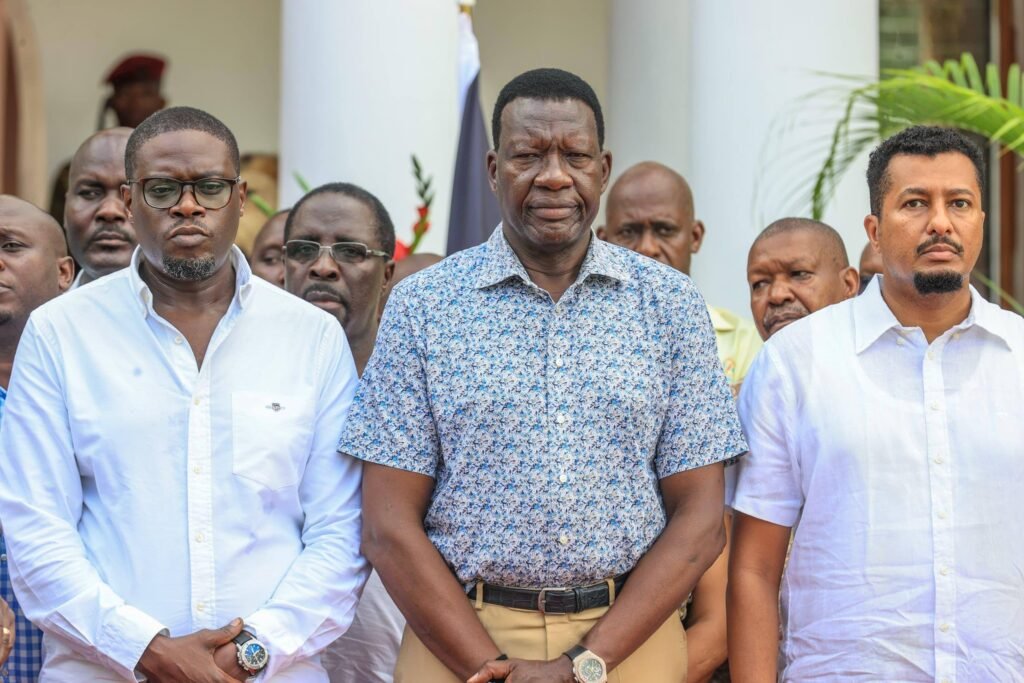
Fuel Hike Triggered Nationwide Protests
The transport protests erupted after the Energy and Petroleum Regulatory Authority (EPRA) increased fuel prices in its May 14 review.
Diesel prices rose sharply by Sh46.29 per litre while petrol increased by Sh16.65, pushing fuel costs to record highs and sparking outrage among motorists and public transport operators.
The hikes led to a nationwide strike organised by the Transport Sector Alliance, with matatus, boda bodas, online taxi drivers, and cargo transporters withdrawing services in protest.
Thousands of commuters were forced to walk long distances as transport services ground to a halt in major towns and cities.
Government and Sector Seek Long-Term Solution
Although operators initially rejected the government’s first diesel reduction proposal, insisting it was insufficient, continued negotiations eventually produced a compromise.
Karakacha urged leaders and wananchi to avoid politicising the fuel crisis, saying focus should now shift toward rebuilding the economy and protecting livelihoods.
“Politics will come in 2027. For now, we must work together and build the country,” he said.


