
Kenya is placing greater emphasis on arts, sports and other creative talents as the country rethinks how students are prepared for life and work beyond the classroom.
Deputy President Kithure Kindiki said the integration of music, drama, sports and creative activities into the Competency-Based Education and Training (CBET) system is intended to help identify talented children early and give them opportunities to develop skills that can become careers.
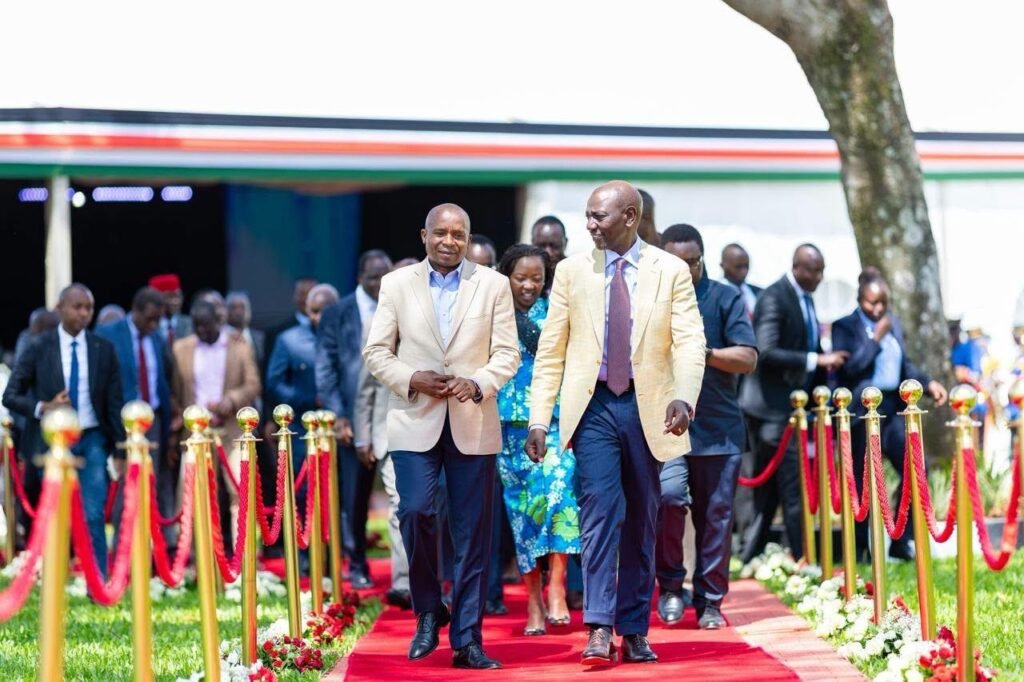
Kindiki made the remarks on Friday, August 14, during the 98th State Concert of the Kenya Music Festival at the State Lodge in Bungoma, where he joined President William Ruto and First Lady Rachel Ruto.
Why arts and sports are gaining attention
For decades, Kenya’s education system placed greater emphasis on academic subjects, with activities such as music, drama and sports often treated as secondary to classroom performance.
Kindiki said the approach is changing as the country seeks to recognise different abilities among learners.
“For more than six decades, Kenya’s education curriculum concentrated on the promotion of academics in the natural and social sciences, relegating music, drama, the arts and creatives to the periphery as extra-curricular activities,” he said.
Under CBET, the government says learners should have opportunities to develop different competencies rather than being judged primarily through academic examinations.
This means a student who demonstrates exceptional ability in music, acting, dance or sport can increasingly have that talent recognised as part of their education journey.
Does this mean academics are becoming less important?
Not necessarily.
President William Ruto said the government’s approach is to give different education pathways equal recognition rather than replacing academic learning with creative subjects.
“No pathway is superior to the other. Children who are good in mathematics are as good as children who are good in the arts, and all of them must be given an equal chance,” Ruto said.
The President said the government was also considering different pathways when recruiting teachers and allocating resources.
The aim is to ensure that learners with different strengths can develop them without one pathway being treated as more valuable than another.
How the change could affect students
The growing recognition of arts and sports could give talented learners more opportunities to develop their abilities from an early age.
For example, a student who struggles with conventional academic subjects but excels in football, music, dance or acting may have a clearer route to develop that talent.
The approach could also expose learners to careers in Kenya’s expanding creative economy, including music production, film, theatre, digital content, sports management and other creative industries.
However, developing talent requires more than identifying gifted students.
Schools need trained teachers, equipment, facilities and opportunities for learners to practise and compete. Sustainable investment will therefore determine how effectively the policy translates into opportunities for students.
Government links talent to the creative economy
Ruto also linked the focus on arts and creativity to efforts to expand Kenya’s creative economy.
He pointed to the collection of royalties through the e-Citizen platform, saying 70 per cent of royalties collected is reserved for distribution to artists and copyright holders.
The President also mentioned digital platforms such as SomaPlay as part of efforts to help creatives reach wider audiences and generate income.
The broader objective is to create an environment where creative talent can become an economic opportunity rather than remaining a hobby or extracurricular activity.
Kindiki also highlighted values
Beyond careers, Kindiki said arts and sports could help shape the character of young people.
He described music as a potential career as well as a tool for promoting values such as hard work, integrity and patriotism.
He argued that Kenya’s long-term development would depend not only on skills and economic growth but also on the values held by its citizens.
What happens next?
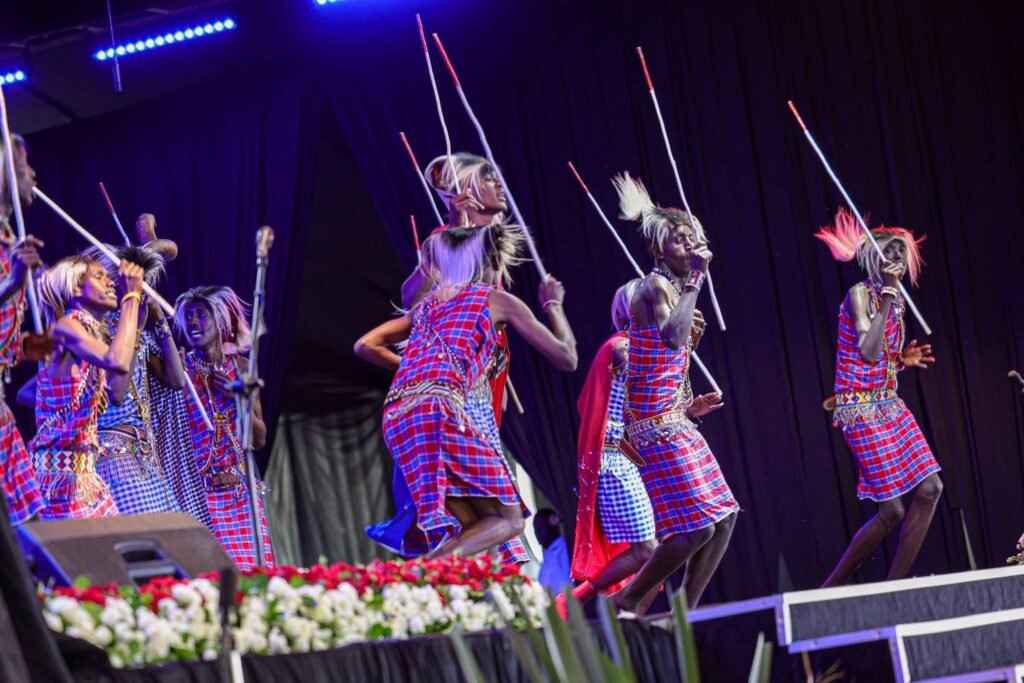
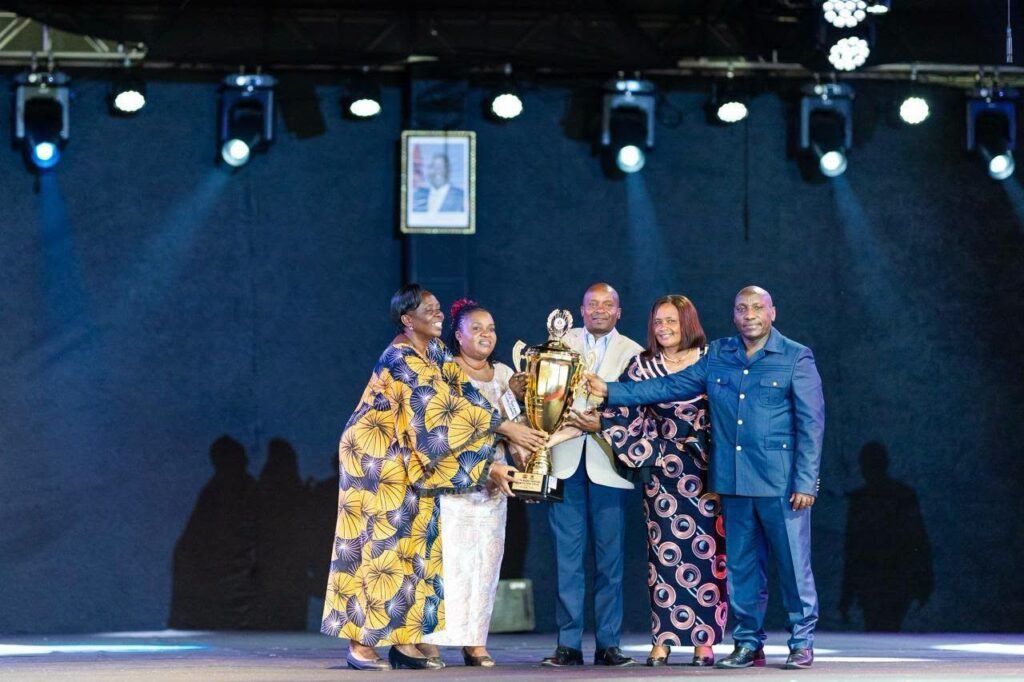
The Kenya Music Festival remains one of the country’s largest platforms for identifying and showcasing young creative talent.
Learners from across the country participate in music, drama, dance and other creative disciplines, giving them an opportunity to perform before audiences and develop their abilities.
The government’s challenge now is to translate the growing recognition of arts and sports into practical opportunities within schools.
That will require adequate funding, qualified teachers, facilities and clear pathways from school talent programmes into higher education, employment and the creative economy.
For learners, however, the message from the government is increasingly clear: success in school does not have to be measured by academic subjects alone. Talent in the arts, sports and other creative fields is also being positioned as part of Kenya’s development beyond 2030.


