



Konza Technopolis is strengthening its position as Africa’s leading smart city through the successful deployment of the continent’s first automated pneumatic solid waste management system, a landmark innovation designed to transform urban living and environmental sustainability.
The cutting-edge facility, officially commissioned by President William Ruto in October 2025, replaces traditional waste collection methods with a fully automated underground network capable of processing up to 40 tonnes of waste daily.
The system marks a significant milestone in Kenya’s ambition to build world-class urban centres powered by technology, innovation and sustainable infrastructure.
Principal Secretary for Internal Security and National Administration Dr. Raymond Omollo described the project as a demonstration of how technology can improve quality of life while supporting environmental conservation.
“Konza continues to showcase what is possible when innovation is integrated into urban planning. This automated waste management system reflects Kenya’s commitment to building smart, sustainable and globally competitive cities,” said Dr. Omollo.
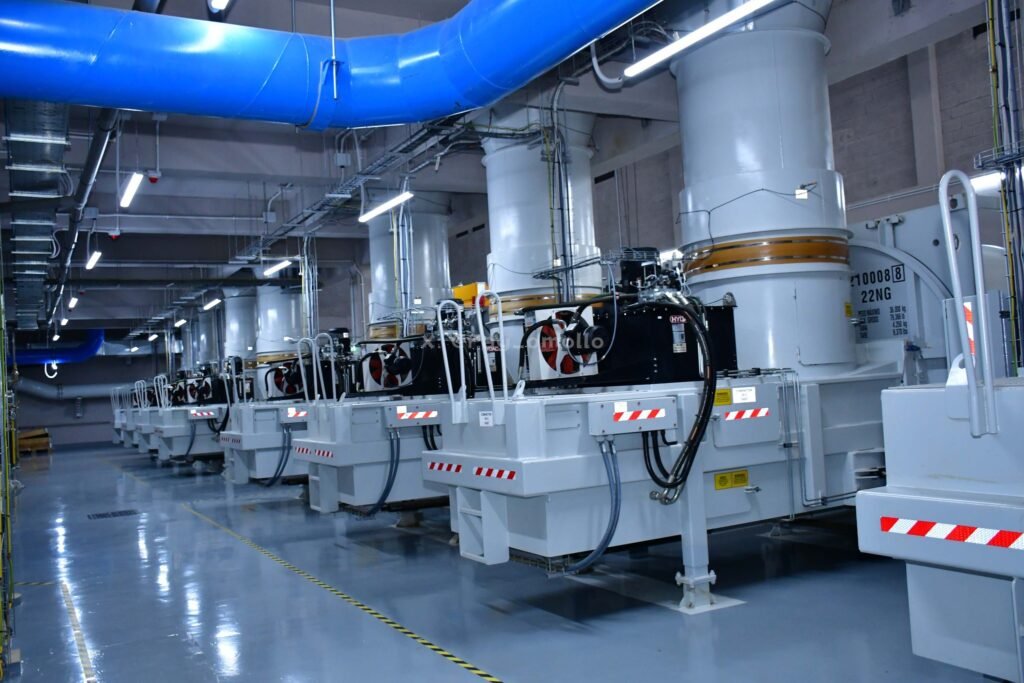
How the System Works
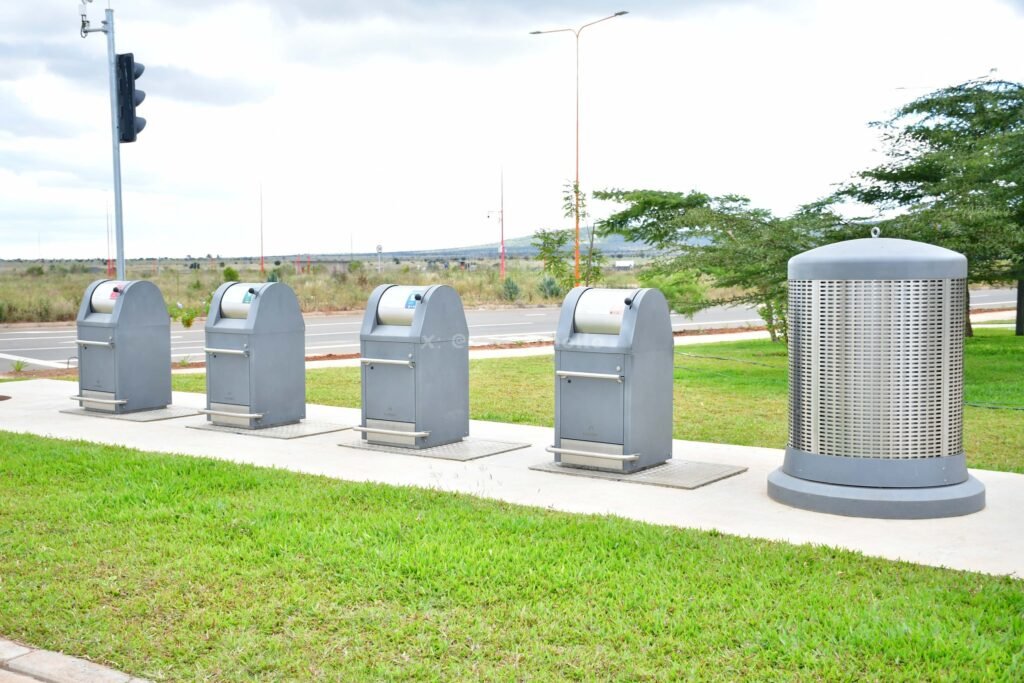
The waste management network is built around a 14.8-kilometre underground pipeline system connecting 25 collection stations and 100 disposal inlets distributed across East and West Konza.
Residents, institutions and businesses separate waste at source into four categories: organic waste, paper, packaging materials and mixed waste.
Once deposited, the waste is transported automatically through the underground network to a central processing facility without the need for garbage trucks moving through streets and residential areas.
According to Dr. Omollo, the technology significantly improves efficiency while reducing environmental and public health risks associated with conventional waste collection systems.
“By eliminating the need for routine truck-based waste collection, we are reducing traffic congestion, lowering carbon emissions and creating a cleaner urban environment for residents and businesses,” he said.
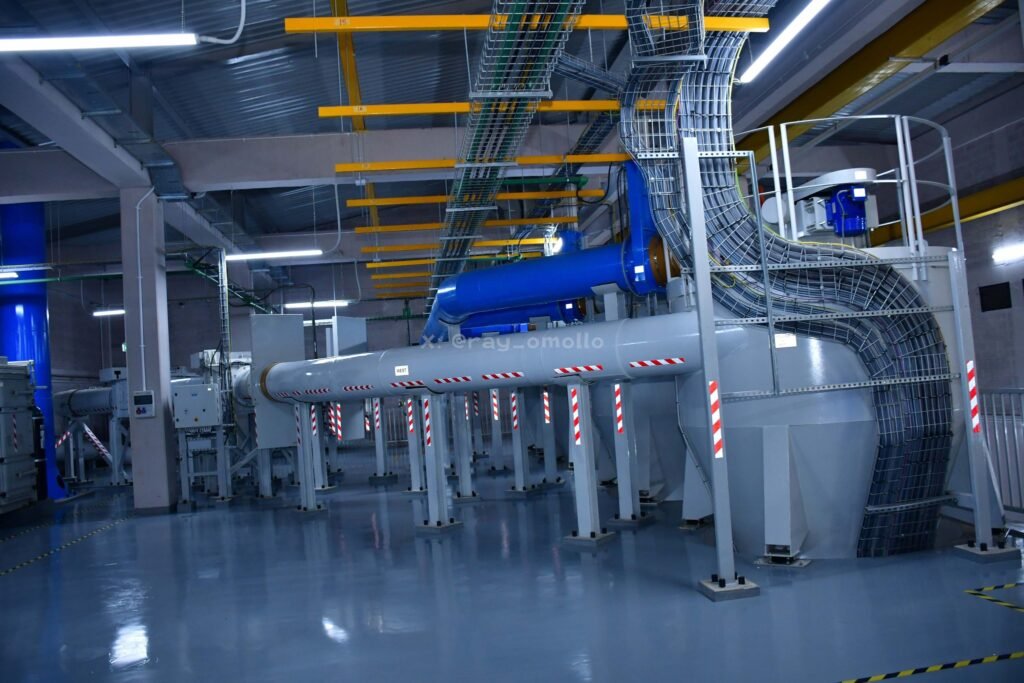
Powered by Advanced Technology
Operations are managed through a centralized Supervisory Control and Data Acquisition (SCADA) platform, which continuously monitors waste levels across the city.
When collection points reach designated thresholds, the system automatically activates high-powered vacuum technology that transports waste through underground pipes at speeds of up to 70 kilometres per hour.
At the central processing terminal, advanced cyclone separation technology extracts and sorts the waste before compaction and recycling processes begin.
Filtered air is then safely released back into the environment, ensuring minimal environmental impact throughout the collection process.
Dr. Omollo noted that the project demonstrates how smart technologies can be deployed to improve service delivery while supporting Kenya’s environmental goals.
“This is not just a waste management solution; it is an integrated smart-city platform that promotes sustainability, efficiency and responsible resource management,” he said.
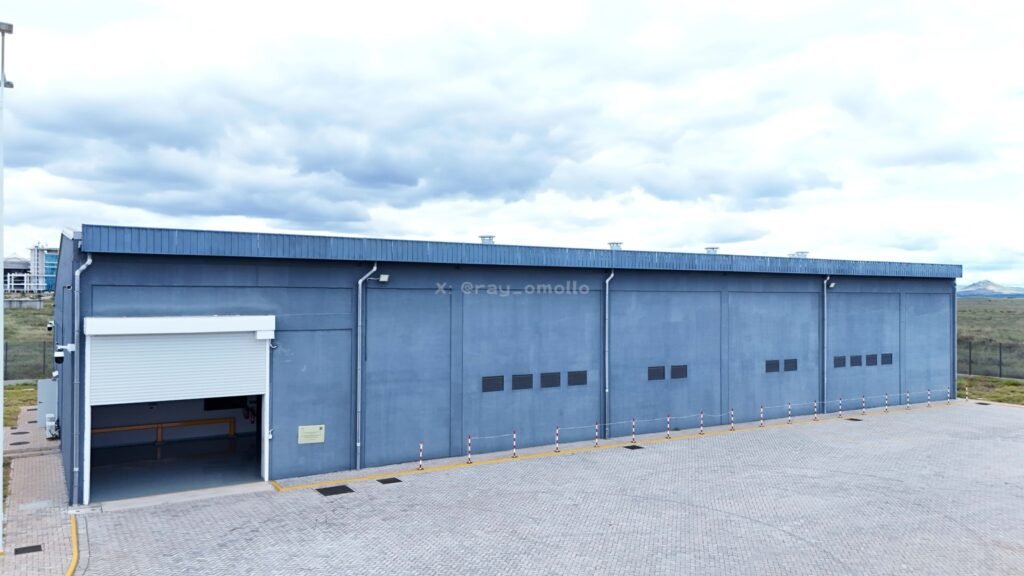
Supporting a Cleaner and Greener Future
The automated system is expected to significantly reduce waste accumulation, improve sanitation standards and support recycling initiatives within Konza Technopolis.
Urban planners believe the technology will help establish a cleaner, healthier and more attractive environment for investors, residents and visitors.
The project also aligns with Kenya’s broader climate action agenda by reducing greenhouse gas emissions associated with traditional waste collection methods.
Dr. Omollo said sustainable infrastructure remains critical to the country’s long-term development strategy.
“As Kenya advances toward a knowledge-based and innovation-driven economy, investments in green infrastructure such as this one will play a vital role in ensuring sustainable urban growth,” he said.
Security and Operational Resilience
The State Department for Internal Security and National Administration continues to support the seamless operation of the automated waste network through coordination, compliance oversight and protection of critical infrastructure.
The department works closely with relevant agencies to safeguard utility corridors, strengthen emergency preparedness and ensure uninterrupted service delivery across the smart city.
Dr. Omollo emphasized that secure infrastructure is essential for maintaining investor confidence and guaranteeing reliable services within emerging innovation hubs.
“Critical infrastructure must be protected and supported through effective coordination and emergency preparedness. Our role is to ensure these systems remain resilient, secure and capable of serving future generations,” he said.
Positioning Konza as a Global Innovation Hub
As Konza Technopolis continues to attract technology firms, research institutions and advanced manufacturing investments, the automated waste management system adds to a growing list of smart-city innovations that distinguish the city from traditional urban developments.
For Dr. Omollo, the project reflects Kenya’s readiness to embrace the future.
“Konza is setting new benchmarks not only for Kenya but for the entire continent. Through innovation, sustainability and strategic planning, we are building a city that can compete with the best smart cities in the world,” he said.
With its combination of advanced technology, environmental sustainability and integrated urban planning, Konza’s pneumatic waste management system is emerging as a model for future smart-city developments across Africa.


