
As Kenya gears up for January 2026 rollout of a twice-yearly HIV prevention injection that seeks to expand treatment options against the disease, misconceptions remain rife with citizens expressing concern over its cost and efficacy.
Lenacapavir (LEN), developed by pharmaceutical company-Gilead Sciences and marketed under brand names Sunlenca and Yeztugo, has been approved for treatment of adults who are resistant to other HIV treatments and as a Pre-Exposure Prophylaxis (PrEP) option to reduce risk of sexually transmitted HIV.

The drug received approval from US Food and Drug Administration (FDA) in June this year and the following recommended as an additional PrEP option for people at high risk of infection by the World Health Organization.
The other early adopter countries chosen to introduce the drug are Lesotho, Eswatini, Nigeria, Mozambique, Zambia, South Africa, Uganda and Zimbabwe
And though there is huge optimism that the initial rollout comes at a time when Kenyan youth aged below 24 years account for 41 percent of new HIV infections in Kenya, some fears abound.
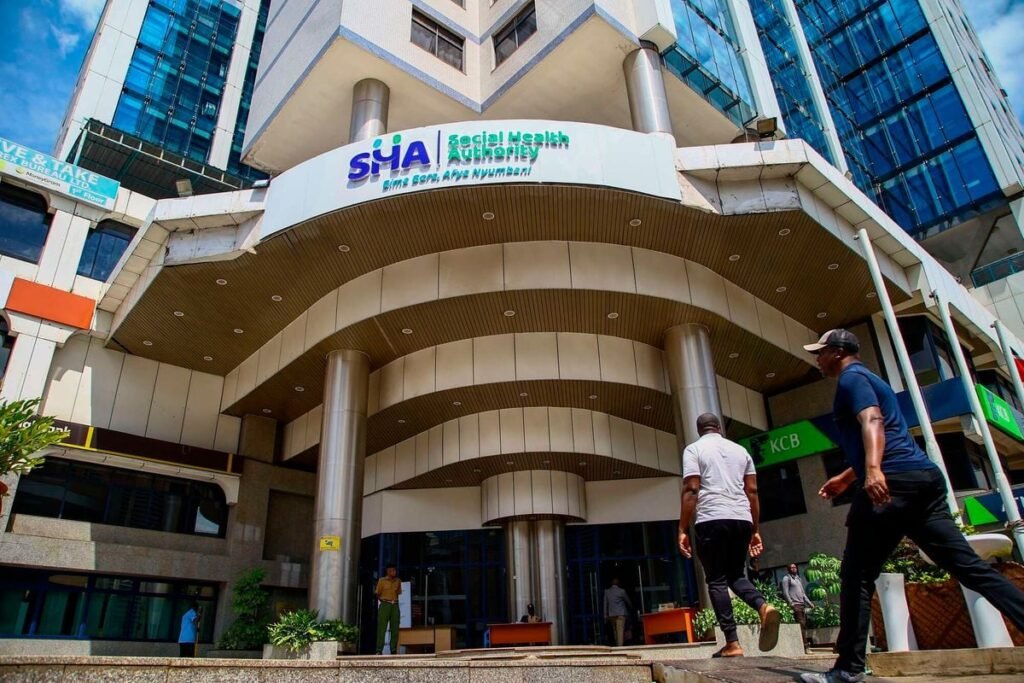
A big number of Kenyans have complained over affordability of the drug whose single dose will cost Ksh6, 000, expressing fears it could deepen the existing health inequalities especially in low-income communities and calling on the government to consider a subsidy or have it covered under SHA.
There is also the general skepticism and mistrust over a new injection just like it happened during the 2020/2021 Covid-19 pandemic era, with many expressing fears over its side effects.
The priority counties for the rollout are Nairobi, Kisumu, Mombasa, Kajiado, Busia, Migori, Homabay, Kisii, Machakos and Siaya according to Head of Prevention at the National AIDS and STI Control program (NASCOP) Dr Jonah Onentiah.
HIV champion Asunta Wagura who has lived with the disease for 38 years, has appealed for funding of the prevention drug by the government and warned that the injection should not make Kenyans underestimate need for other options such as using condoms and taking regular HIV tests.
“HIV kills when people don’t know their status. It kills when the government drags its feet on funding prevention tools that actually work- PrEPs, condoms, harm reduction and long-acting injectables for prevention that are in the horizon…,” she shared on her Facebook page.
Another Kenyan Hassan Muli said without proper funding and support by the government, majority of the population would struggle to continually pay for the drug.
“Now that an injection offers six-month protection, what happens if I am unable to pay for the other six months? Will the PrEP drugs still be available? The government should share every information about the drug so that we make informed decisions ahead of the national rollout,” he noted.

The debate on whether the drug was a vaccine or not has also featured prominently online in the recent past but has been debunked by the Ministry of Health officials.
Public Health Director General Dr Patrick Amoth explained that LEN is a capsid inhibitor, that blocks HIV from replicating by interfering with the viral assembly and release, allowing the body to prevent new infections.
The drug is for HIV-negative people who are at high risk of contracting the disease and not a solution to those living with the disease- it only complements the existing PrEP options.
A vaccine stimulates the immune system to recognize and fight specific pathogens before a person is infected by imitating an infection to trigger the body’s natural defense, thereby building long-term immunity while the drug blocks the HIV virus from multiplying in the body.
HIV attacks the body’s immune system by targeting the white blood cells that are essential for fighting infections and diseases.
Kibera based CFK Africa, a non-profit healthcare rights organization, wants the new prevention drug first rolled in poor neighbourhood especially slums where majority of the people can hardly pay for the drug. Kibera is among the HIV hotspots in Nairobi County.
George Kobia, a resident of Isiolo County, expressed fears the drug could lead to unsafe sexual behaviour making people, especially the youth, drop using condoms and avoid HIV testing.
“As a married person, I do not need the injection at all because I am faithful to my wife. Partners could suspect each other of being unfaithful should they find them taking the injection,” he said, championing for abstinence and use of condoms as a remedy to new HIV infections.
Health CS Aden Duale revealed that an implementation plan and national guidelines had already been developed to facilitate a smooth scale-up, seeking to improve access and adherence, especially among the adolescents and young people who remain among the most vulnerable groups.

Duale said President William Ruto’s administration remained steadfast in expanding access to effective and sustainable prevention options and that the injectable drug aligned with the resolve to end HIV as a public health threat by 2030.
“We are mobilizing requisite systems and resources to ensure timely availability of the life changing intervention. We will ensure equitable access and integrate the intervention into our national policies to reach priority populations,” Duale said in a recent release.
HIV prevalence in Kenya stands at 3.7 percent with data from the Ministry of Health showing that 1.4 million Kenyans were living with the disease.
The injection is billed to significantly reduce stigma, make HIV treatment discreet and improve adherence.


