
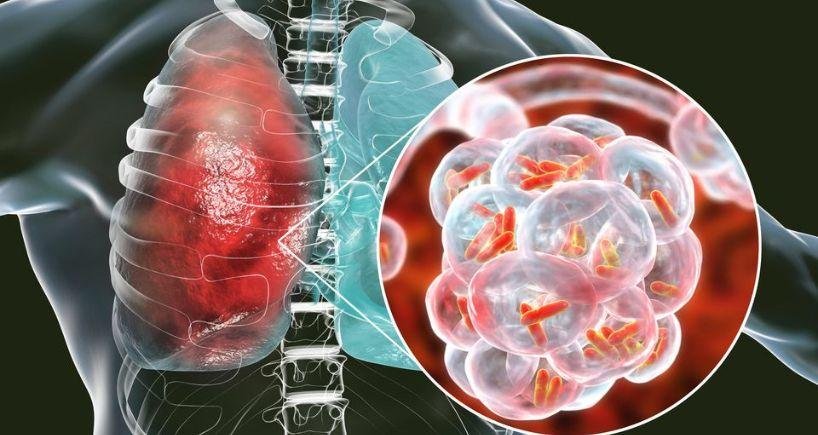
Pneumonia is a lung infection that makes the vital organ unable to deliver oxygen into the bloodstream which results in breathing difficulties and death in worse cases.
What Causes Pneumonia?
The main cause is a bacterium called Streptococcus pneumoniae though Flu, respiratory syncytial virus (RSV), and other viruses can also cause it.
The respiratory disease is mainly spread through coughs and sneezes (airborne droplets).
How Pneumonia progresses and time before death
Mild cases mainly clear up in 1-3 weeks under prompt treatment but could worsen, especially in absence of antibiotics or oxygen. This triggers respiratory failure, sepsis, and death within days.
How many people die from Pneumonia in Kenya?
Pneumonia was the leading killer of men in 2024, accounting for 5,244 deaths out of 9682 reported that year, data from the Kenya National Bureau of Statistics show.
Pneumonia in children
The disease contributes 15 percent of all deaths in kids aged 1-59 months and 3 percent of newborn deaths- 15 percent of all under-five deaths.
A total of between 8,000- 10,000 deaths among children are reported every year in Kenya. That’s roughly one in five child deaths.
Why men in Kenya are more affected by Pneumonia

Statistically, more Kenyan men die from Pneumonia than women. Smoking is one reason. It damages your lungs and makes infections worse. Other causes include exposure to dust and chemicals at work, bad ventilation, and poor health seeking behaviour.
Men mostly wait longer to seek help, so they show up with severe Pneumonia. Also, a weak immune system increases the risk.
Why Pneumonia still kills despite awareness
Though treatable, poverty and retrogressive cultures continue to expose people, especially in rural areas, to higher risk.
Vaccines help a lot but coverage gaps in coverage leave many children exposed. Malnutrition, like underlying illnesses, weakens the immune system, making the children vulnerable to severe Pneumonia.
Prevention and Treatment: What works
Vaccination, good nutrition habits and observing high levels of hygiene as well as improved health-seeking behaviour are among the ways to keep the disease at bay.
To reduce these deaths, there is a need for improved access to healthcare, more vaccinations, cleaner environments, and public health programs that reach the people who need them most.


