
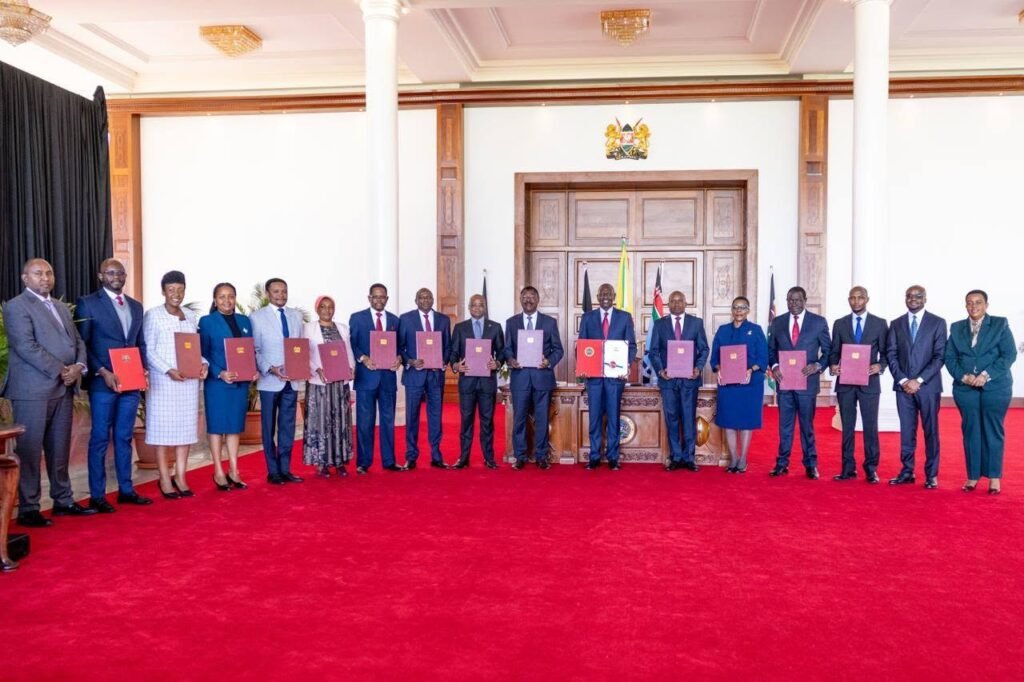
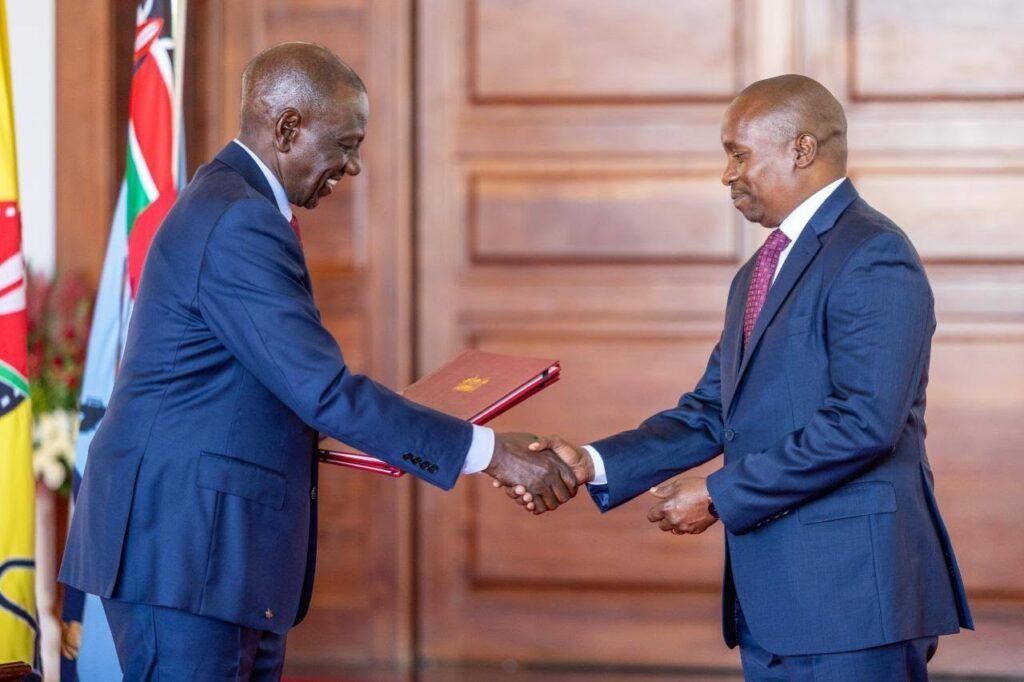
When President William Ruto put pen to paper to sign the Division of Revenue Act (DORA), 2026, it wasn’t just another routine state ceremony at State House, Nairobi. It marked the end of a high-stakes, months-long legislative war that nearly brought devolution to a financial standstill.
At the core of the gridlock was a fundamental question: How much of Kenya’s national cake belongs to the grassroots?
To understand why this matters for your local health dispensary, clean water supply, and early childhood education centers, we have to look past the headlines. This explainer breaks down the KSh 428 billion payout, the dramatic political compromise behind it, and how the money actually impacts you.
The core issues behind the headlines
1. The KSh 29 Billion tug-of-war
It took seven intense, bitter mediation sessions between the National Assembly and the Senate to reach this deal.
The Senate’s Stand: Senators fought aggressively for KSh 454.7 billion, pointing out that rising inflation and increased operation costs for devolved sectors like healthcare and agriculture required an injection of extra resources.
The National Assembly’s Counter: Members of the National Assembly initially refused to go higher than KSh 425 billion, arguing that the state is operating under severe fiscal pressures, mounting debt obligations, and a strict fiscal consolidation plan managed by Treasury Cabinet Secretary John Mbadi.
The Compromise: Lawmakers split the difference at KSh 428 billion. While it falls short of the Senate’s original target, it represents a notable increase from the KSh 415 billion allocated in the previous financial year.
2. The unsung hero: Clause 5
While most meia houses will focus entirely on the headline figure of KSh 428 billion, the biggest structural victory for devolution is a technical provision called Clause 5.
During the heated mediation talks, Senate representatives successfully fought to reinstate this clause, which acts as a financial shock absorber for counties. It dictates that if the Kenya Revenue Authority (KRA) experiences unexpected shortfalls and misses its national revenue collection targets, the national government must absorb 100 percent of the loss. The KSh 428 billion bound for the counties remains fully protected and untouched.
The Devolution Money Pipeline
Signing the DORA is a massive milestone, but the cash doesn’t land in county bank accounts overnight. The process must follow a strict, legally mandated pipeline to transform a signed bill into running public services.
1.Assent to DORA:Step 1: Current Stage.
The President signs the Division of Revenue Act (DORA). This legally splits national revenue between the two tiers of government: National (KSh 2.46 trillion) and Counties combined (KSh 428 billion).
2.Passage of CARB:Step 2: Incoming legislative task.
Parliament drafts and debates the County Allocation of Revenue Bill (CARB). This formula-driven bill divides the collective KSh 428 billion among the 47 individual counties based on parameters like population, poverty levels, and land area.
3.The Disbursement Schedule:Step 3: Administrative setup.
The Senate and the National Treasury approve a monthly disbursement schedule. This prevents the Treasury from withholding cash or creating artificial delays that freeze county operations.
4.Grassroots Service Delivery:Step 4: Local impact.
Funds are wired to County Revenue Funds at the Central Bank of Kenya, unlocking operations. Local governments can finally pay doctors, procure medical supplies, fund agricultural extension programs, and pay contractors.
The Big Picture: The signing of this law clears a major roadblock for implementing Kenya’s broader KSh 4.29 trillion national budget for the 2026/27 financial year, giving county bosses clear financial visibility before the new fiscal year kicks off on July 1.


, unlocking KSh 428B for counties. Here is how the high-stakes deal protects your county's cash.)