


June 1 is more than just a public holiday in Kenya. It is a date etched into the country’s history as the day Kenyans first took charge of their own affairs after decades of British colonial rule. Every year, Madaraka Day serves as a reminder of the sacrifices, struggles, and political battles that eventually led to self-governance and later full independence.
On June 1, 1963, Kenya attained internal self-rule, marking a major turning point in the nation’s journey to freedom. The achievement came after years of resistance against colonial administration, political organizing by African leaders, and constitutional negotiations that reshaped the country’s future.
More than six decades later, Madaraka Day remains one of Kenya’s most important national celebrations, honoring the men and women whose efforts laid the foundation for the modern republic.
What Does Madaraka Mean?
The word “Madaraka” comes from the Swahili language and translates to authority, power, or self-governance.
For many Kenyans in 1963, the term symbolized something that had been denied for generations: the ability to determine their own political, economic, and social future.
Before Madaraka, key decisions affecting the lives of millions of Africans were made by British colonial administrators. Local communities had limited representation in governance, while political and economic power remained concentrated in the hands of colonial authorities and European settlers.
The attainment of Madaraka meant that for the first time, Kenyan leaders would oversee domestic affairs, formulate policies, and steer the country’s development.
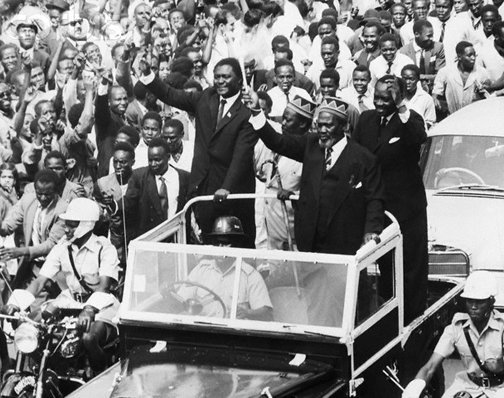
The Colonial Roots of Kenya’s Struggle
To understand Madaraka Day, one must first understand the realities of colonial Kenya.
The British formally declared Kenya a colony in 1920, though European influence had begun decades earlier through the Imperial British East Africa Company and later the East Africa Protectorate.
Colonial rule transformed the country’s political and economic landscape. Large portions of fertile land in Central Kenya, Rift Valley, and other regions were taken from African communities and allocated to European settlers.
The areas became known as the White Highlands, among the most productive agricultural zones in the country.
Thousands of Africans were displaced from ancestral lands and pushed into crowded reserves. Others became laborers on settler farms under restrictive conditions.
At the same time, Africans faced numerous limitations, including restricted movement, limited access to quality education, and exclusion from meaningful political participation.
As grievances mounted, calls for reform grew louder.
Organizations such as the Kenya African Union (KAU) emerged to advocate for African rights, land restoration, and greater political representation.
However, colonial authorities were slow to respond, creating fertile ground for resistance movements.
The Mau Mau Rebellion: The Fight for Land and Freedom
By the early 1950s, many Africans had become frustrated with the lack of meaningful political progress.
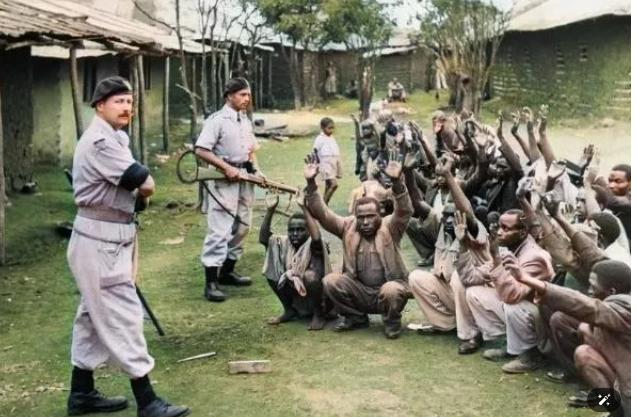
This frustration gave rise to the Mau Mau movement, an armed resistance campaign that became one of the most significant chapters in Kenya’s independence struggle.
The movement, largely drawn from communities affected by land dispossession, sought to reclaim land and end colonial domination.
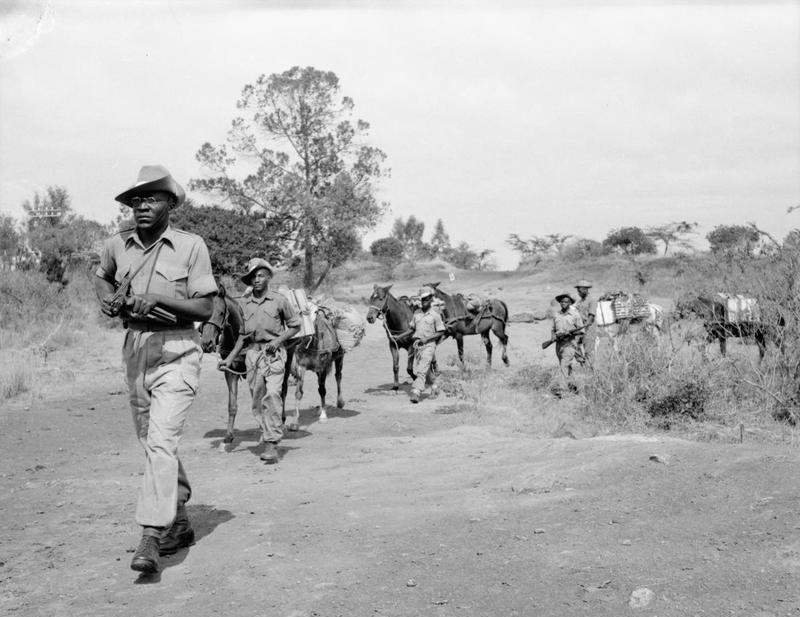
Mau Mau fighters operated primarily from the forests of Mount Kenya and the Aberdares, launching attacks against colonial targets.
In response, Governor Sir Evelyn Baring declared a State of Emergency in October 1952.
Thousands of suspected Mau Mau sympathizers were arrested, detained, or confined in villages.
One of the most notable arrests was that of Jomo Kenyatta, who was accused by colonial authorities of being linked to the rebellion. He was later convicted and detained despite maintaining his innocence regarding direct involvement.
Although British forces eventually suppressed the uprising militarily, historians widely agree that the rebellion fundamentally altered the course of Kenya’s history.
The conflict exposed the weaknesses of colonial rule and increased international pressure on Britain to accelerate decolonization.
The immense financial and political cost of maintaining control convinced many British policymakers that the colonial system could not continue indefinitely.
Lancaster House Conferences: Negotiating Kenya’s Future
As the armed struggle weakened colonial authority, attention shifted to political negotiations.
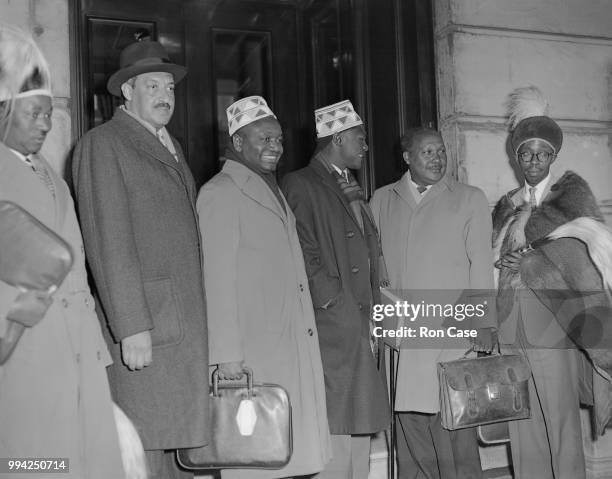
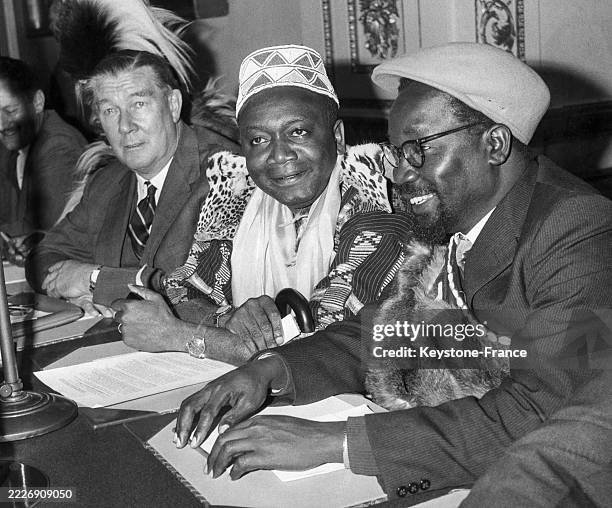
Between 1960 and 1963, Britain convened a series of constitutional talks known as the Lancaster House Conferences in London.
These meetings brought together British officials and Kenyan political leaders to negotiate the framework for self-government and eventual independence.
The first conference in 1960 marked a significant breakthrough by recognizing that African majority rule was inevitable.
The second conference in 1962 featured key figures such as Jomo Kenyatta of KANU and Ronald Ngala of KADU.
One of the main debates centered on governance.
KANU advocated for a strong centralized government, while KADU favored a federal structure, known as Majimbo, to protect smaller communities.
Despite differences, the negotiations laid the groundwork for Kenya’s transition to self-rule.
The third conference in 1963 finalized constitutional arrangements and cleared the final obstacles before power could be transferred.
The Historic Election That Changed Everything
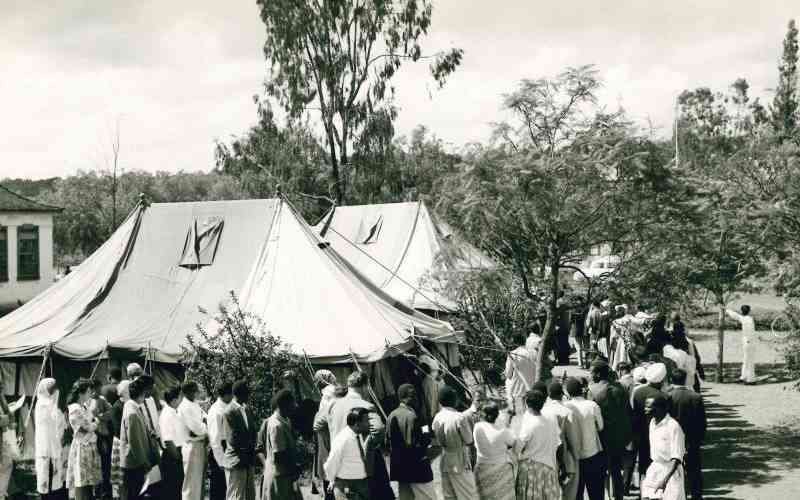
A major milestone came on May 22, 1963, when Kenya held a historic general election.
The poll was the most important democratic exercise in the country’s history up to that point.
The election determined who would lead the nation as colonial authority receded.
KANU secured a decisive victory, winning the majority of seats and establishing itself as the dominant political force.
The outcome paved the way for Jomo Kenyatta to assume leadership of the country.
The election represented more than a political contest—it was a declaration that Kenyans were ready to govern themselves.
Millions viewed the vote as a triumph of democracy and a symbol of the progress achieved through years of sacrifice.
June 1, 1963: Kenya Gains Madaraka
When June 1 arrived, it marked the beginning of a new chapter.
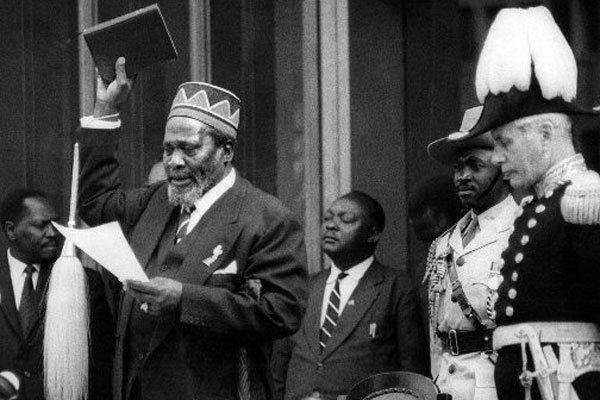
Kenya officially attained internal self-government, with Jomo Kenyatta becoming the country’s first Prime Minister.
Although Britain retained certain constitutional responsibilities and Queen Elizabeth II remained Head of State, real authority over domestic governance was now in Kenyan hands.
For the first time, Kenyan leaders controlled ministries, budgets, development priorities, and policy decisions.
Across the country, celebrations erupted as citizens embraced a future shaped by their own representatives.
The day represented the realization of decades of struggle, resilience, and hope.
From Madaraka to Full Independence
Madaraka Day was a crucial milestone, but the journey was not yet complete.
Six months later, on December 12, 1963, Kenya achieved full independence from Britain.
The date is celebrated annually as Jamhuri Day.
A year after independence, on December 12, 1964, Kenya officially became a republic.
Jomo Kenyatta transitioned from Prime Minister to become the nation’s first President, while the country severed its remaining constitutional ties with the British monarchy.
Together, Madaraka Day and Jamhuri Day tell the story of Kenya’s transition from colonial rule to a sovereign republic.
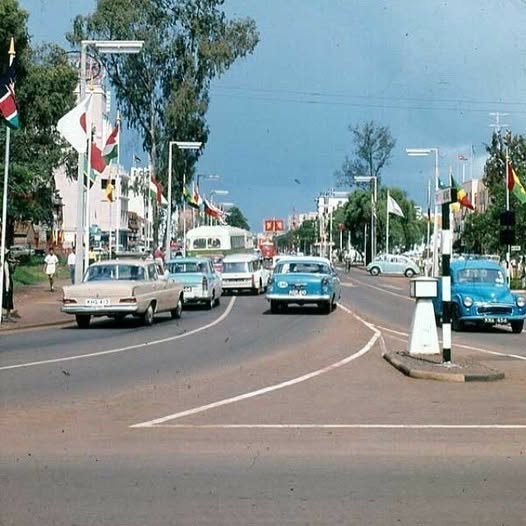
Why Madaraka Day Still Matters Today
Today, Madaraka Day is not only about remembering the past—it is also about reflecting on the responsibilities that come with self-governance.
The holiday honors freedom fighters, political leaders, workers, and ordinary citizens who contributed to the country’s liberation.
It is a day to celebrate national unity, democratic progress, and the resilience of the Kenyan people.
From Nairobi to Mombasa, Kisumu to Wajir, Kenyans gather annually to commemorate the historic moment when power began shifting into their own hands.
More than 60 years later, the spirit of Madaraka continues to inspire discussions about governance, development, accountability, and the future of the nation.
As Kenya marks another June 1, the message remains as powerful as it was in 1963: self-rule was hard won, and its legacy continues to shape the country’s destiny.


