
1. Basic Identity
Official name: County Government of Lamu
County code: 005
County headquarters: Mokowe
Region: Coast Region
Area: Approximately 6,273.1 square kilometres
2019 population: 143,920 people comprising 76,103 males, 67,813 females and four intersex persons, according to the Kenya National Bureau of Statistics (KNBS). ([Kenya National Bureau of Statistics][1])
Lamu County is located along Kenya’s northern coastline and borders Garissa County to the north, Tana River County to the south-west, the Indian Ocean to the south and east, and the Republic of Somalia towards the north-east.
The county covers a large mainland area together with more than 65 islands that form the Lamu Archipelago. Some of the best-known islands include Lamu, Manda, Pate and Kiwayu. ([PubMed Central (PMC)][2])
Lamu is geographically distinctive because of the contrast between its mainland agricultural settlements and its island communities, which have historically depended on fishing, maritime transport, trade and tourism.
The county has approximately 130 kilometres of coastline and is home to extensive mangrove forests, coral reefs, beaches and marine ecosystems. ([County Government of Lamu][3])
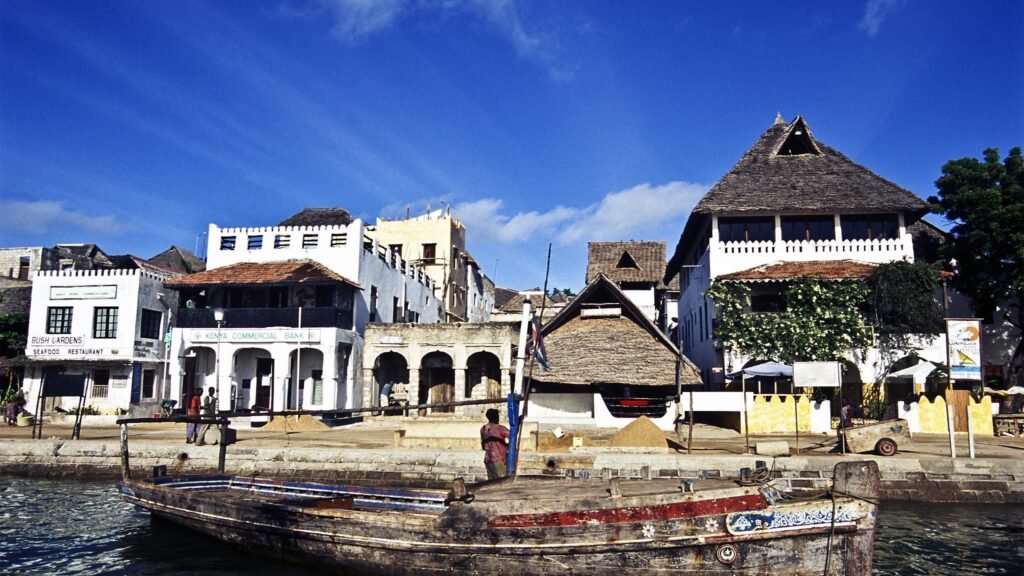
Lamu is also home to Lamu Old Town, one of the world’s most important surviving Swahili settlements. The town was inscribed on the UNESCO World Heritage List in 2001 and has remained continuously inhabited for more than 700 years. ([UNESCO World Heritage Centre][4])
The county’s identity is deeply connected to Swahili culture, Islamic scholarship, maritime traditions, fishing, dhow construction, traditional architecture, festivals and coastal commerce.
At the same time, Lamu is undergoing major economic and infrastructural transformation because of the development of Lamu Port and the wider LAPSSET corridor.
This combination of ancient cultural heritage and major modern infrastructure makes Lamu one of Kenya’s most strategically significant coastal counties.
2. Political and Administrative Structure
Lamu County is divided into 2 parliamentary constituencies and 10 County Assembly wards.
The two constituencies are Lamu West and Lamu East. ([Lamu County Assembly][5])
A. Lamu West Constituency – 7 Wards
- Shella
- Mkomani
- Hindi
- Mkunumbi
- Hongwe
- Witu
- Bahari
B. Lamu East Constituency – 3 Wards
- Faza
- Kiunga
- Basuba
Total: 2 constituencies and 10 County Assembly wards. ([Lamu West NG-CDF][6])
Administratively, the county has 23 locations and 38 sub-locations.
The county government operates through two principal arms: the County Executive headed by the Governor and the County Assembly headed by the Speaker.
The County Assembly is responsible for legislation, oversight and representation, while the County Executive implements devolved functions and county development programmes. ([Lamu County Assembly][5])
National government administration operates separately through the national government coordination structure. Lamu Central is a national-government administrative unit and does not constitute a separate county-government sub-county. ([Kenya Law][7])
3. Current Political Leadership
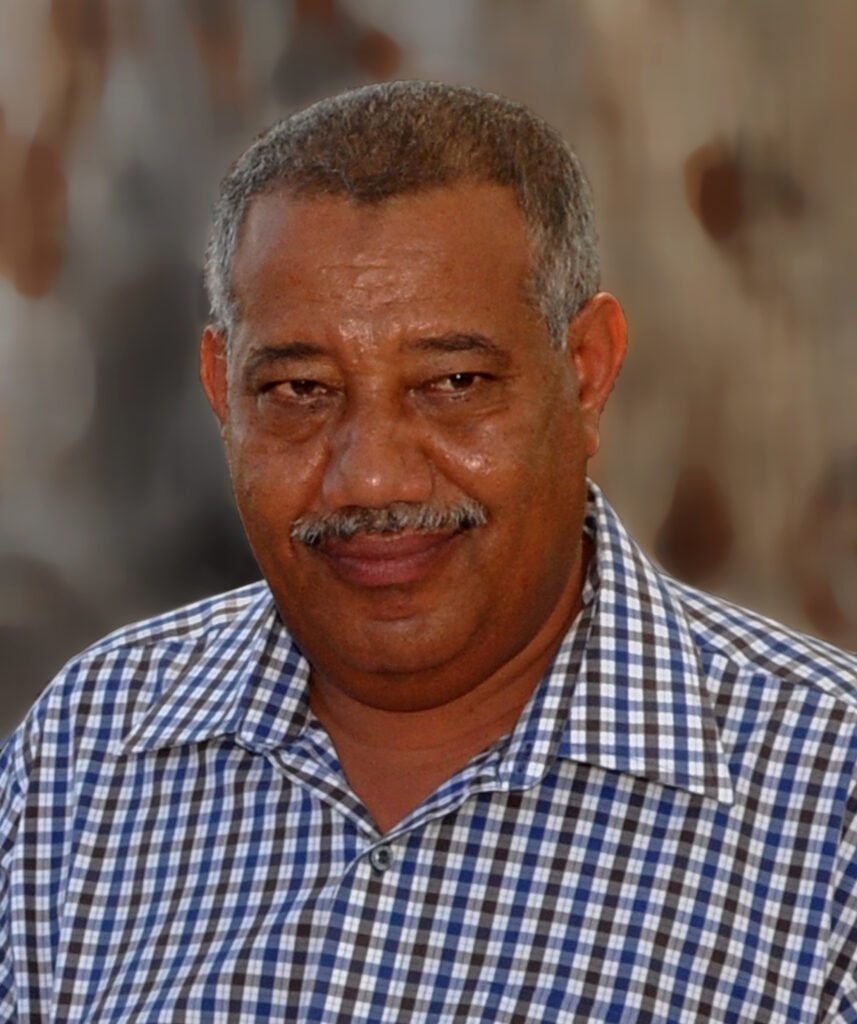
Governor Issa Abdalla Timamy, who returned to office after winning the 2022 gubernatorial election.
| Position | Office Holder |
|---|---|
| Governor | H.E. Issa Abdalla Timamy |
| Deputy Governor | H.E. Dr. Mbarak Mohamed Mbarak |
| Senator | Hon. Joseph Githuku Kamau |
| Woman Representative | Hon. Monicah Muthoni Marubu |
Issa Abdalla Timamy is the current Governor of Lamu County. He first became governor in 2013 and served one term before losing the seat in the 2017 General Election. He returned to office after winning the 2022 election. ([County Government of Lamu][8])
Timamy won the 2022 gubernatorial election on an Amani National Congress (ANC) ticket, defeating former governor Fahim Yasin Twaha. He received 24,198 votes against Twaha’s 16,054. ([The Eastleigh Voice][9])
His administration has placed emphasis on infrastructure, healthcare, tourism, agriculture, blue economy development, water, climate resilience and improving economic opportunities for local communities.
The current county government lists Dr. Mbarak Mohamed Mbarak as Deputy Governor. He also serves as the County Executive Committee Member responsible for Medical Services, Health, Sanitation and Environment. ([County Government of Lamu][8])
Joseph Githuku Kamau is the current Senator, having defeated former senator Anwar Loitiptip in the 2022 election. ([The Eastleigh Voice][9])
Monicah Muthoni Marubu is the elected Woman Representative for Lamu County. She won the seat in 2022 as an independent candidate. ([The Eastleigh Voice][10])
4. Members of Parliament
| Constituency | Member of Parliament | Party |
|---|---|---|
| Lamu West | Hon. Stanley Muiruri Muthama | Jubilee Party |
| Lamu East | Hon. Ruweida Mohamed Obo | Jubilee Party |
Stanley Muiruri Muthama represents Lamu West Constituency, while Ruweida Mohamed Obo represents Lamu East. Both are listed by the Parliament of Kenya as members of the 13th Parliament. ([Parliament of Kenya][11])
Muthama retained the Lamu West seat in the 2022 General Election. He is an engineer by profession and has represented the constituency since 2017. ([Parliament of Kenya][12])
Ruweida Obo made history in 2022 by becoming the first woman elected as Member of Parliament for Lamu East. She is a pilot by profession and had previously served as Lamu County Woman Representative between 2017 and 2022. ([Parliament of Kenya][13])
Lamu’s parliamentary politics are shaped by issues including land ownership, port development, employment, infrastructure, security, fisheries, education, tourism and the protection of coastal communities’ livelihoods.
5. Economy and Gross County Product
Lamu has a relatively small economy compared with Kenya’s major urban counties, but its strategic importance is considerably larger than its economic size suggests.
The county’s economy is based on a combination of tourism, agriculture, fisheries, livestock, trade, transport, maritime activities, public services and emerging port-related industries.
The development of Lamu Port has introduced a major new economic dimension to the county, with the potential to transform Lamu into a regional maritime logistics and transport centre.
Lamu’s Gross County Product
The Kenya National Bureau of Statistics publishes Gross County Product data showing the relative size and structure of county economies. The latest GCP series covers county economic performance through 2022. ([Kenya National Bureau of Statistics][14])
Lamu remains among the smaller county economies in absolute terms, reflecting its relatively small population and largely rural economic structure. However, the development of the port, LAPSSET corridor and related infrastructure is changing the county’s long-term economic outlook.
The Economic Structure
Lamu’s major economic pillars include:
- Tourism and hospitality
- Artisanal and commercial fisheries
- Agriculture
- Livestock production
- Maritime transport
- Port and logistics services
- Wholesale and retail trade
- Real estate and construction
- Mangrove and forest-related enterprises
- Public services
- Small-scale manufacturing and handicrafts
Fishing remains particularly important to island and coastal communities, while agriculture is more prominent across mainland settlement areas such as Mpeketoni, Hindi and Witu.
Tourism generates employment through hotels, restaurants, transport, boat services, cultural activities, tour operations and handicrafts.
The emerging port economy is expected to create opportunities in logistics, warehousing, transport, clearing and forwarding, construction, marine services and related businesses.
6. Agriculture: Sustaining Lamu’s Mainland Economy
Agriculture is one of the most important livelihood activities in mainland Lamu, particularly around Mpeketoni, Hindi, Witu and surrounding settlement areas.
Unlike the island economy, which has historically relied heavily on fishing, maritime trade and tourism, mainland Lamu has large areas suitable for crop production and livestock keeping.
Major Agricultural Activities
- Maize production
- Cassava farming
- Coconut production
- Cashew nuts
- Mangoes
- Bananas
- Simsim
- Cotton
- Horticulture
- Bixa production
- Vegetable farming
Mpeketoni and Hindi are among the county’s important agricultural zones.
Smallholder farmers produce crops both for household consumption and commercial markets, with maize, cassava, fruits and vegetables contributing to local food security.
Coconut, cashew nut, mango and bixa production also provide opportunities for commercial agriculture and value addition.
Agricultural development, however, faces challenges including unpredictable rainfall, limited irrigation, poor feeder roads, land-tenure disputes, inadequate storage facilities and limited access to agricultural markets.
The county’s 2023–2027 development plan identifies agriculture and food security among the sectors requiring continued investment. ([County Development Plan][15])
The expansion of road networks and improvements in market infrastructure could help farmers connect more efficiently with markets in Lamu, Mombasa and other parts of coastal Kenya.
7. Livestock and Fisheries
Livestock keeping forms an important part of the rural economy, particularly in mainland areas.
Major Livestock Enterprises
- Cattle
- Goats
- Sheep
- Poultry
- Donkeys
- Beekeeping
Livestock provides households with food, income and a form of financial security, particularly in areas where crop production is affected by unreliable rainfall.
Poultry keeping and small-scale goat production are particularly suitable for households with limited land and capital.
Fisheries and the Blue Economy
Fisheries are among the most important economic activities in Lamu, especially in the island and coastal communities.
The county’s extensive coastline, archipelago and marine ecosystems support artisanal fishing, fish trading, boat building and other maritime activities.
Fishing communities also depend on related businesses including fish processing, transportation, boat repair and the sale of fishing equipment.
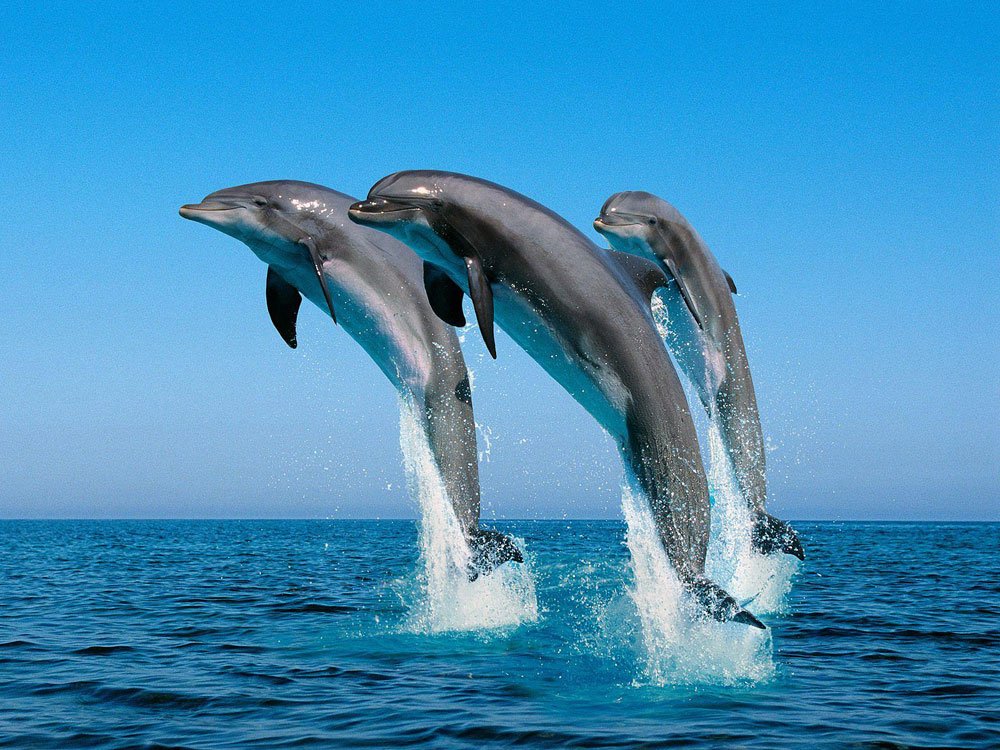
Lamu’s marine environment contains coral reefs, mangroves and important habitats for species such as sea turtles and dugongs. ([County Government of Lamu][3])
The county has increasingly focused on the blue economy as a pathway for creating employment while promoting sustainable use of marine resources.
Investment opportunities exist in fish processing, cold storage, aquaculture, marine tourism, boat construction, seaweed enterprises and other fisheries value chains.
The European Union-supported Go Blue programme has also identified Lamu among the coastal counties benefiting from investment in blue economy activities. ([County Government of Lamu][16])
8. Key Industries
Lamu’s industrial base is smaller than that of Mombasa, but the county is undergoing a major transition as new infrastructure changes its economic landscape.
Major Industries Include
- Tourism and hospitality
- Fishing and fish processing
- Agriculture and agro-processing
- Maritime transport
- Port operations
- Logistics and warehousing
- Construction
- Retail and wholesale trade
- Handicrafts
- Boat building
- Mangrove-related enterprises
- Real estate
- Public services
Lamu Port
Lamu Port is the centrepiece of the county’s emerging industrial economy.
The port forms part of the Lamu Port-South Sudan-Ethiopia Transport Corridor, commonly known as LAPSSET, a major regional infrastructure programme designed to connect the Kenyan coast with northern Kenya, South Sudan and Ethiopia.
The project has the potential to transform Lamu from a predominantly tourism and fishing economy into a major regional logistics and maritime centre.
Port-related opportunities include:
- Cargo handling
- Shipping
- Warehousing
- Transport and trucking
- Clearing and forwarding
- Marine services
- Construction
- Hospitality
- Wholesale and retail
- Logistics
However, the expansion of port infrastructure has also generated debate around land rights, compensation, fishing livelihoods, environmental conservation and the participation of local communities in the emerging economy.
Research on LAPSSET and land in Lamu has documented the importance of questions around belonging, livelihoods and community participation in the county’s development trajectory. ([Taylor & Francis Online][17])
Tourism Industry
Tourism remains one of Lamu’s most established industries.
The county’s attractions include beaches, marine reserves, wildlife, historical monuments, cultural festivals and traditional Swahili architecture.
The county government describes Lamu as a major destination for cultural, marine and wildlife tourism, with approximately 130 kilometres of sandy coastline and two national reserves. ([County Government of Lamu][3])
9. Population
The 2019 Kenya Population and Housing Census recorded Lamu County’s population at 143,920 people. ([Kenya National Bureau of Statistics][1])
Population Composition
| Category | Population |
|---|---|
| Male | 76,103 |
| Female | 67,813 |
| Intersex | 4 |
| Total | 143,920 |
Source: Kenya National Bureau of Statistics, 2019 Kenya Population and Housing Census.
Lamu is one of Kenya’s least populous counties, but its geographical area is relatively large. This results in a low population density compared with densely urbanised counties such as Mombasa and Nairobi.
The population is unevenly distributed between the mainland and islands. Mainland settlement areas such as Mpeketoni and Hindi have significant agricultural populations, while Lamu Island and other islands have communities whose livelihoods are more closely associated with fishing, tourism, maritime transport and trade.
The county is ethnically and culturally diverse. Communities found in Lamu include the Bajuni, Mijikenda, Orma, Somali, Aweer and other Kenyan communities. ([Maarifa Centre][18])
The Aweer, also known as the Boni, are an indigenous hunter-gatherer community whose traditional territory extends across parts of Lamu and neighbouring areas.
Population distribution and access to services remain challenging because many communities live in remote mainland and island locations separated by water or long distances.
This geography affects access to:
- Healthcare
- Education
- Markets
- Roads
- Electricity
- Water
- Government services
- Communication networks
10. Education and School Enrolment
Education in Lamu has historically faced challenges linked to poverty, distance, teacher shortages, insecurity and the county’s dispersed settlement pattern.
The county government is responsible for Early Childhood Development Education and village polytechnics, while primary and secondary education is largely administered through the national government.
Lamu has public and private primary and secondary schools distributed across the mainland and islands.
Major Education Challenges
Schools in remote areas face difficulties associated with:
- Teacher shortages
- Long distances to schools
- Limited learning infrastructure
- Inadequate laboratories
- Limited digital learning facilities
- Water shortages
- Security concerns in some remote areas
- Low household incomes
The county’s 2023–2027 CIDP includes plans to construct 10 model ECDE centres across the county’s 10 wards. The plan also proposes three model vocational training centres in Mpeketoni, Lamu and Kizingitini. ([Maarifa Centre][19])
Vocational and Technical Training
Vocational education is particularly important to Lamu because the county’s emerging economy requires skilled workers in construction, hospitality, maritime services, fisheries, mechanics and other technical fields.
The county’s development plan identifies technical and vocational training as a priority for improving employability and self-reliance among young people. ([Maarifa Centre][19])
Lamu’s location also creates opportunities for specialised training in maritime and tourism-related professions.
Improving education and skills development is increasingly viewed as important for ensuring that local residents can benefit from opportunities created by Lamu Port, tourism and the blue economy.
11. Health Infrastructure
Healthcare access in Lamu is strongly influenced by the county’s geography.
Island communities often depend on boats to reach larger health facilities, while remote mainland settlements can face long distances and difficult road conditions when seeking specialised care.
The county has a network of hospitals, health centres and dispensaries serving communities across the 10 wards.
Major Public Health Facilities
- King Fahd Lamu County Referral Hospital
- Mpeketoni Sub-County Hospital
- Mokowe Hospital
- Witu Hospital
- Hindi Hospital
- Shela Hospital
- Faza health facilities
- Kiunga health facilities
- Basuba health facilities
County records have previously reported 42 county health facilities receiving medical supplies, including King Fahd Hospital, Witu Hospital, Mpeketoni Sub-County Hospital, Hindi Hospital, Mokowe Hospital and Shela Hospital. ([County Government of Lamu][20])
The county’s 2023–2027 development plan prioritises recruitment and deployment of additional health workers and improvements to health facilities and support infrastructure. ([Maarifa Centre][19])
Healthcare Challenges
Major challenges include:
- Shortage of specialised medical personnel
- Long distances to referral facilities
- High cost of emergency transport
- Limited specialist services
- Inadequate medical equipment in some facilities
- Challenges accessing remote island communities
- Maternal and child health needs
- Water and sanitation challenges
Maritime transport is therefore an important component of emergency healthcare access for island communities.
Improving health infrastructure and staffing remains one of the county’s major development priorities.
12. Infrastructure and Transport
Lamu’s infrastructure has historically been shaped by its unusual geography, with communities distributed between mainland settlements and an extensive island archipelago.
For many island communities, boats and dhows remain essential forms of transportation.
Road Transport
The main road connection between Lamu and the national road network runs through the Garsen–Witu–Lamu corridor.
The Mokowe–Garsen road provides an important connection between Lamu and the wider Coast region, while the Mokowe–Kiunga road serves communities towards the northern part of the county. ([National Seismic Data Centre][21])
Improving feeder roads is particularly important for farmers because poor roads can increase the cost of transporting agricultural produce to markets.
Maritime Transport
Water transport remains the backbone of mobility for many island residents.
Major jetties and landing points serve communities in Lamu, Manda, Mokowe, Matondoni, Faza, Kiunga and other parts of the archipelago.
The Mokowe jetty is particularly important because it connects the mainland road network with Lamu Island and other
Lamu Port and LAPSSET
The development of Lamu Port represents the largest infrastructure transformation in the county’s modern history.
Lamu Port is intended to form the maritime gateway of the LAPSSET corridor, linking Kenya’s northern transport network with Ethiopia and South Sudan.
The project has positioned Lamu at the centre of Kenya’s long-term plans for regional trade and logistics.
However, infrastructure development has also created concerns around land acquisition, compensation, environmental protection and the effects on fishing and pastoral communities.
13. Tourism and Cultural Heritage
Tourism is one of the defining features of Lamu County.
Unlike many coastal destinations that primarily market beach tourism, Lamu has built its tourism identity around heritage, culture, marine life, wildlife and traditional Swahili life.
Lamu Old Town
Lamu Old Town is the county’s most internationally recognised attraction.
UNESCO describes it as the oldest and best-preserved Swahili settlement in East Africa. The town has been continuously inhabited for more than 700 years and retains traditional urban structures, narrow streets, coral-stone buildings, mangrove timber construction and elaborately carved doors. ([UNESCO World Heritage Centre][4])
The Old Town was inscribed on the UNESCO World Heritage List in 2001.
Its architecture reflects centuries of interaction between African, Arab, Persian, Indian and European cultures. ([National Museums of Kenya][22])
Major Tourism Attractions
- Lamu Old Town
- Lamu Fort
- Lamu Museum
- Swahili House Museum
- German Post Office Museum
- Siyu Fort
- Takwa Ruins
- Kiunga Marine National Reserve
- Dodori National Reserve
- Shela Beach
- Manda Island
- Pate Island
- Kiwayu Island
- Boni-Dodori National Reserve
The Lamu Museum showcases the region’s Swahili culture, maritime heritage, historical artefacts and traditional crafts. ([National Museum of Kenya][23])
The county’s marine environment supports snorkelling, diving, fishing, boat excursions and other forms of marine tourism.
Dodori National Reserve also provides opportunities for wildlife tourism, with species including giraffes, buffaloes, hippos, lesser kudu and other wildlife. ([County Government of Lamu][3])
Kiunga Marine National Reserve
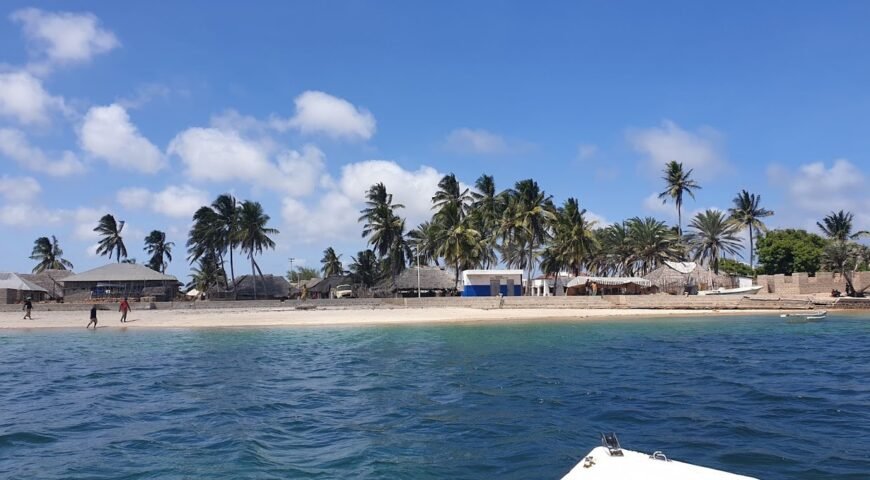
Cultural Festivals
Lamu is widely known as an island of festivals.
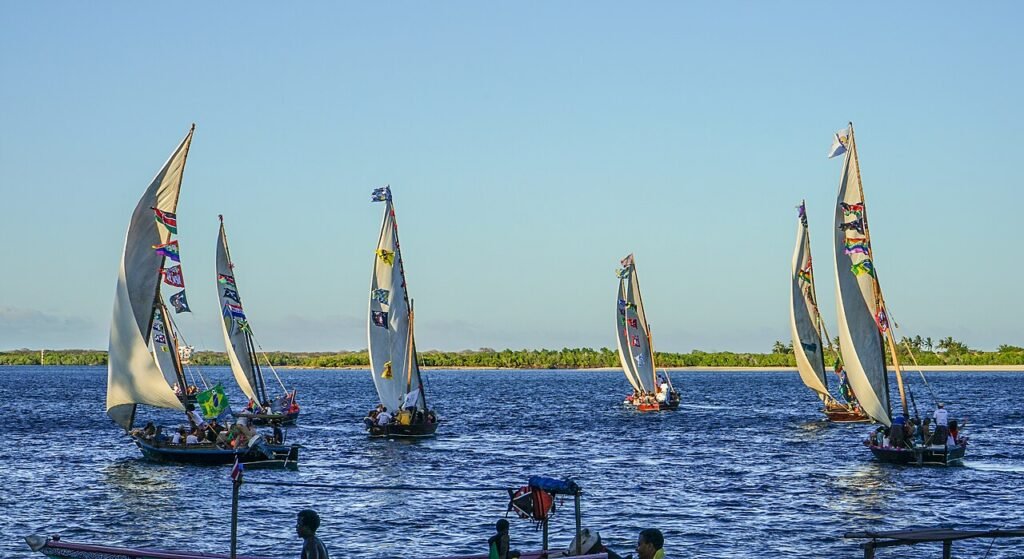
The Lamu Cultural Festival celebrates Swahili traditions through dhow races, donkey races, traditional dances, poetry, crafts, food and other cultural activities.
The annual Maulidi Festival is another major cultural and religious event that attracts visitors from Kenya and other parts of East Africa.
Lamu’s cultural heritage remains an important economic asset, providing livelihoods for guides, artisans, boat operators, hotel workers, traders and other businesses. ([County Government of Lamu][3])
Lamu Old Town’s narrow streets and traditional Swahili architecture.
- A dhow sailing through the Lamu Archipelago.*
14. History of County Political Leadership
Lamu’s political history has been strongly influenced by land, coastal identity, access to resources, tourism, fishing and the development of the LAPSSET corridor.
The creation of county governments under the 2010 Constitution significantly changed local political administration by transferring a range of functions from the national government to the county level.
1. H.E. Issa Abdalla Timamy – 2013–2017
Issa Timamy became Lamu’s first elected governor after the 2013 General Election.
Before entering elective politics, Timamy served as chairman of the National Museums of Kenya and had a background in law and corporate management. ([Wikipedia][24])
His election marked the beginning of Lamu’s devolved county administration.
Timamy’s first administration focused on establishing county government institutions and addressing development issues including infrastructure, tourism, healthcare and land.
2. H.E. Fahim Yasin Twaha – 2017–2022
Fahim Yasin Twaha became Lamu’s second elected governor after winning the 2017 General Election. He served from 2017 to 2022. ([Wikipedia][25])
Twaha had previously represented Lamu West in Parliament for several years before becoming governor.
His administration focused on county service delivery, healthcare, infrastructure, education and development programmes across the mainland and islands.
His 2017 victory ended Timamy’s first tenure, although the two politicians remained central figures in Lamu politics.
3. H.E. Issa Abdalla Timamy – 2022–Present
Timamy returned to the governor’s office after winning the 2022 election.
His second administration has continued to emphasise infrastructure, tourism, agriculture, blue economy development, healthcare, water and economic opportunities linked to Lamu Port.
The political competition between Timamy and Twaha has been one of the defining features of Lamu’s county politics since devolution. ([Kenya Law][26])
Political Significance
Lamu politics frequently revolve around several major issues:
- Land ownership and settlement
- LAPSSET and Lamu Port
- Employment
- Fishing rights
- Tourism
- Infrastructure
- Security
- Education
- Healthcare
- Environmental conservation
- Community participation in development
The county’s strategic location and diverse population make land and resource governance particularly sensitive political issues.
15. Key Personalities Associated with Lamu
Lamu has produced and attracted notable figures in politics, Islamic scholarship, cultural preservation, environmental conservation and the creative arts.
Political and Public Leadership
Issa Abdalla Timamy
Issa Timamy is a lawyer, former chairman of the National Museums of Kenya and the current Governor of Lamu County. He is notable for becoming the county’s first governor in 2013 and returning to office in 2022. ([Wikipedia][24])
Fahim Yasin Twaha
Fahim Twaha is a former Lamu West MP and former Governor of Lamu County. He served as governor from 2017 to 2022 and remains one of the county’s prominent political figures. ([Wikipedia][25])
Islamic Scholarship and Religious Heritage
Habib Salih
Habib Salih, also known as Habib Swaleh, was a highly influential Islamic scholar who lived in Lamu in the late 19th and early 20th centuries.
He founded the Riyadha Mosque and Islamic school, which became an important centre of Islamic scholarship in East Africa. He is also associated with the development of Lamu’s Maulidi tradition. ([Wikipedia][27])
The Riyadha tradition helped establish Lamu as a major centre for Islamic learning and attracted scholars and students from across East Africa. ([National Museums of Kenya][22])
Cultural and Heritage Personalities
Lamu’s cultural heritage has also been preserved by generations of Swahili scholars, craftsmen, dhow builders, poets, religious leaders and community elders.
Traditional woodcarvers and craftsmen remain particularly important to the preservation of Lamu’s distinctive architecture and cultural identity.
The county’s traditional dhow builders and artisans contribute to both the preservation of maritime heritage and the tourism economy.
Community and Indigenous Leadership
Lamu is also associated with indigenous Aweer communities whose traditional knowledge and relationship with forests and natural resources form an important part of the county’s cultural heritage.
Community organisations and conservation groups have played an increasingly important role in protecting mangroves, marine ecosystems, wildlife habitats and historical sites.
16. Environment and Natural Resources
Lamu possesses some of Kenya’s most important coastal and marine ecosystems.
Its natural resources include mangrove forests, coral reefs, beaches, marine habitats, forests, wetlands and wildlife reserves.
Major Natural Assets
- Indian Ocean coastline
- Mangrove forests
- Coral reefs
- Marine reserves
- Dodori National Reserve
- Boni-Dodori ecosystem
- Kiunga Marine National Reserve
- Marine turtle habitats
- Dugong habitats
- Coastal forests
Kiunga Marine National Reserve is particularly important for coral reefs and marine biodiversity, while Dodori supports terrestrial wildlife. ([County Government of Lamu][3])
The county’s natural resources support fishing, tourism, forestry, agriculture and other livelihoods.
Climate change poses growing risks to Lamu through sea-level rise, coastal erosion, changing rainfall patterns, drought, flooding and pressure on marine ecosystems.
The county’s climate resilience planning therefore places increasing emphasis on mangrove restoration, sustainable fisheries, climate-smart agriculture and protection of coastal ecosystems.
17. Major Development Projects and Priorities
Lamu’s development trajectory is increasingly shaped by major national and county projects.
LAPSSET Corridor
The Lamu Port-South Sudan-Ethiopia Transport Corridor is the county’s largest strategic infrastructure project.
The corridor is designed to connect Lamu Port with northern Kenya and neighbouring countries, creating a major transport and trade route.
Its potential benefits include employment, logistics development, industrialisation, improved roads and increased investment.
Lamu Port
Lamu Port is intended to position the county as a major maritime gateway and regional logistics centre.
The port has already changed the economic significance of the county by attracting investment and increasing demand for transport, construction, hospitality and support services.
Lamu County Development Plan
The county’s 2023–2027 CIDP identifies agriculture, infrastructure, healthcare, education, vocational training, environmental management and economic development among its major priorities. ([Maarifa Centre][28])
Specific projects identified in the plan include model ECDE centres, vocational training centres and improvements to health infrastructure. ([Maarifa Centre][19])
The county is also pursuing improvements in roads, water, electricity, ICT, fisheries infrastructure and urban development.
18. Lamu County at a Glance
Lamu is one of Kenya’s most distinctive counties, combining an ancient Swahili civilisation with a rapidly emerging maritime economy.
Its economic and cultural identity rests on several major pillars:
- Tourism and cultural heritage
- Fishing and the blue economy
- Agriculture and livestock
- Maritime trade
- Lamu Port and LAPSSET
- Wildlife and environmental conservation
Lamu Old Town gives the county international cultural significance, while Lamu Port gives it strategic importance in Kenya’s future regional trade and logistics network.
The county’s extensive coastline, islands, marine reserves and wildlife habitats also give it significant potential for sustainable tourism and blue economy development.
However, Lamu faces challenges associated with poverty, limited infrastructure, healthcare access, education, land disputes, environmental pressure and the need to ensure that major development projects benefit local communities.
The central development challenge for Lamu is therefore how to balance modern economic transformation with the protection of its cultural heritage, natural environment and traditional livelihoods.
With careful planning, investment and community participation, Lamu has the potential to become both a leading cultural tourism destination and a major maritime gateway for Kenya and the wider region.
19. References
- Kenya National Bureau of Statistics (KNBS). 2019 Kenya Population and Housing Census.
KNBS - Kenya National Bureau of Statistics (KNBS). Gross County Product Reports. ([Kenya National Bureau of Statistics][14])
- County Government of Lamu. County Leadership and Government Information. County Government of Lamu
- County Government of Lamu. Lamu County Integrated Development Plan 2023–2027. Lamu County CIDP 2023–2027
- County Assembly of Lamu. Background Information on Lamu County. County Assembly of Lamu
- Parliament of Kenya. Members of the National Assembly. ([Parliament of Kenya][11])
- Council of Governors. County Government and Governors Information. Council of Governors
- National Government Constituency Development Fund. Lamu West Constituency. Lamu West NG-CDF
- National Government Constituency Development Fund. Lamu East Constituency. Lamu East NG-CDF
- UNESCO World Heritage Centre. Lamu Old Town. UNESCO World Heritage Centre
- National Museums of Kenya. Lamu Old Town and Lamu Museum. National Museums of Kenya
- Ministry of Sports, Culture and Heritage. Lamu Old Town. ([Sports Heritage][29])
- Kenya Ports Authority. Port of Lamu and maritime operations. Kenya Ports Authority
- Kenya Maritime Authority. Maritime transport and blue economy information. Kenya Maritime Authority
- Kenya Tourism Board. Tourism information. Kenya Tourism Board
- Kenya Wildlife Service. Wildlife and marine conservation information. Kenya Wildlife Service
- Lamu Conservation Trust. Historical sites and cultural heritage.
- National Drought Management Authority. Lamu County profile and climate information.
- Ministry of Defence, Kenya. Boni villages and community engagement in Lamu. ([Ministry of Defence Kenya][30])
- Kenya Law. Lamu County political and administrative matters. ([Kenya Law][7])


