
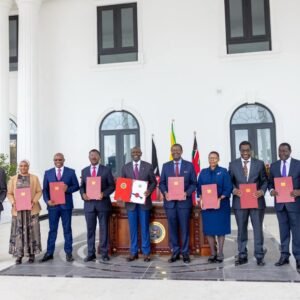

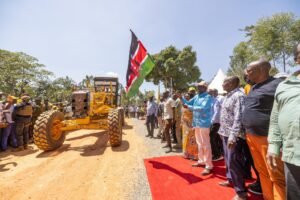
A community health promoter visiting households, a farmer seeking better access to markets and a family waiting for reliable water services all have a stake in the county funding law President William Ruto signed on Monday.
The County Governments Additional Allocations Act, 2026, provides Sh71.09 billion for county programmes in the 2026/27 financial year. Its impact will depend on which programmes receive the money, when it arrives and what counties deliver.
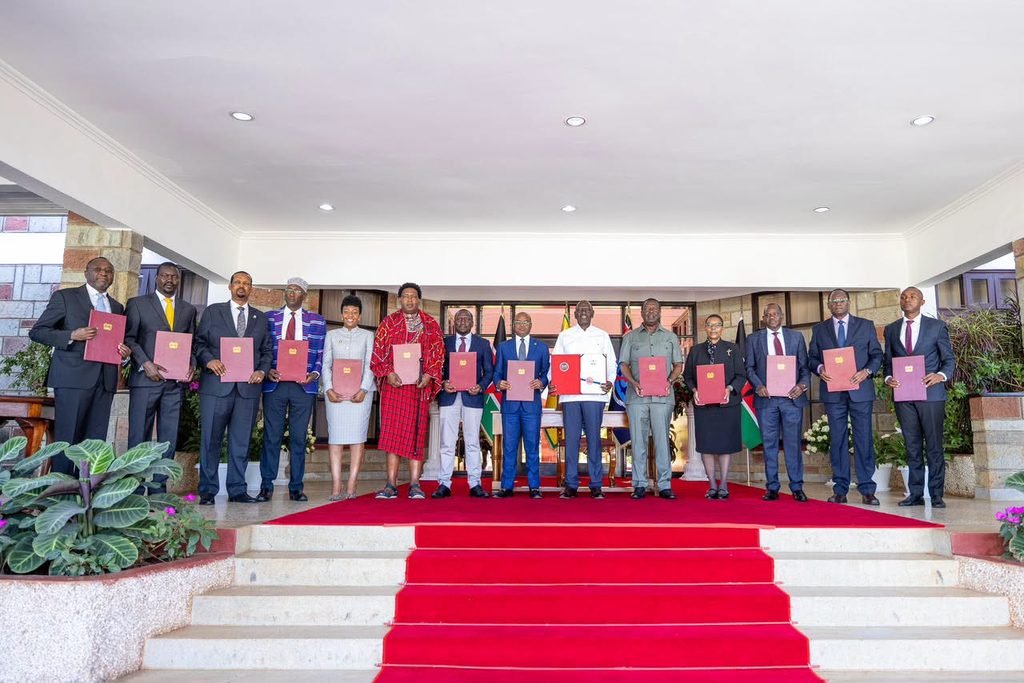
Ruto assented to the legislation at Eldoret State Lodge in Uasin Gishu County on October 19, creating the legal framework for the additional funding. The package supports healthcare, agriculture, climate resilience, drought response, water and sanitation, among other programmes.
Is the Sh71 billion entirely new money?
The Sh71.09 billion is this financial year’s additional allocations package. It represents an increase of Sh425.6 million over the Sh70.67 billion allocated in 2025/26, according to the presidential announcement.
That is growth of approximately 0.6%.
The distinction matters: counties have received approval for a new annual funding package, rather than a Sh71 billion increase over last year.
These additional allocations also sit alongside counties’ equitable share of nationally raised revenue. Article 202 of the Constitution allows counties to receive additional allocations from the national government’s share, either with conditions attached or without them.
Where will the money come from?
According to the Presidential Communication Service account of the signing, the package draws on three sources:
| Funding source | Amount |
|---|---|
| National government’s share of revenue | Sh12.73 billion |
| Development partner loans and grants | Sh56.38 billion |
| Court fines and mineral royalties | Remaining statutory allocations |
Development partner loans and grants therefore account for approximately 79% of the package. The funding combines domestic resources with external financing; it should not all be described as donor grants, because part of it comprises loans.
What services should benefit?
Healthcare is one of the main priorities. Parliament’s account of its approval of the Bill identified support for Community Health Promoters and the transition of Universal Health Coverage workers to permanent and pensionable terms.
For residents, the intended benefit is stronger community healthcare and greater stability in the workforce supporting health services.
Other areas identified by Parliament include agricultural development, climate resilience, water services, urban infrastructure and construction of headquarters in selected counties. Development partners involved in the funding framework include the World Bank, the International Fund for Agricultural Development and Germany’s KfW.
The published Bill named programmes such as the National Agricultural Value Chain Development Project, the Food Systems Resilience Project, Financing Locally Led Climate Action and water and sanitation initiatives.
These provide a more useful starting point for residents than the national headline figure: which funded programme covers your county, and what is it expected to deliver?
Can governors spend the money freely?
The funding framework distinguishes between conditional and unconditional allocations.
Conditional allocations come with a specified purpose. Money assigned to a health programme, for example, must follow that programme’s spending requirements.
Unconditional allocations provide greater discretion within lawful county budgeting and expenditure procedures. The published Bill identifies proceeds from fines collected through enforcement of county legislation, and counties’ share of mineral royalties, under this category.
It also provides different eligibility and performance requirements for some development programmes. Residents should therefore avoid assuming that every county receives an equal portion of the Sh71.09 billion.
Does signing mean counties have received the money?
An allocation is not proof of a transfer, and a transfer is not proof of a completed project.
Assent establishes the legal basis for the funding. Actual disbursement, county budgeting and implementation are the next stages.
The presidential communication says the law provides for quarterly reporting on actual transfers to counties. Those reports should help distinguish money approved on paper from money released.
Residents can then follow the spending through county budget documents, implementation reports and county assembly scrutiny.
The Controller of Budget’s quarterly and annual county budget implementation reports offer another way to examine receipts and expenditure.
What should residents look for next?
Start with a specific service or project and ask:
- How much has been allocated to the programme in this county?
- How much has actually been received?
- What work or service is the money supposed to finance?
- How much has been spent, and what has been delivered?
For a water project, the evidence might be a functioning supply system serving the intended households. For healthcare funding, it might be implementation of the employment arrangements covered by the programme.
The law gives county services an additional funding framework. Residents now need a clear account of how their county’s allocation moves from the national announcement to services they can use.


