
Former Deputy President now turned President William Ruto’s foremost critic Rigathi Gachagua is not happy about many things. Among the many things that makes him unhappy is the decision of journalists from Northern Kenya to withdraw from a scheduled interview with him.
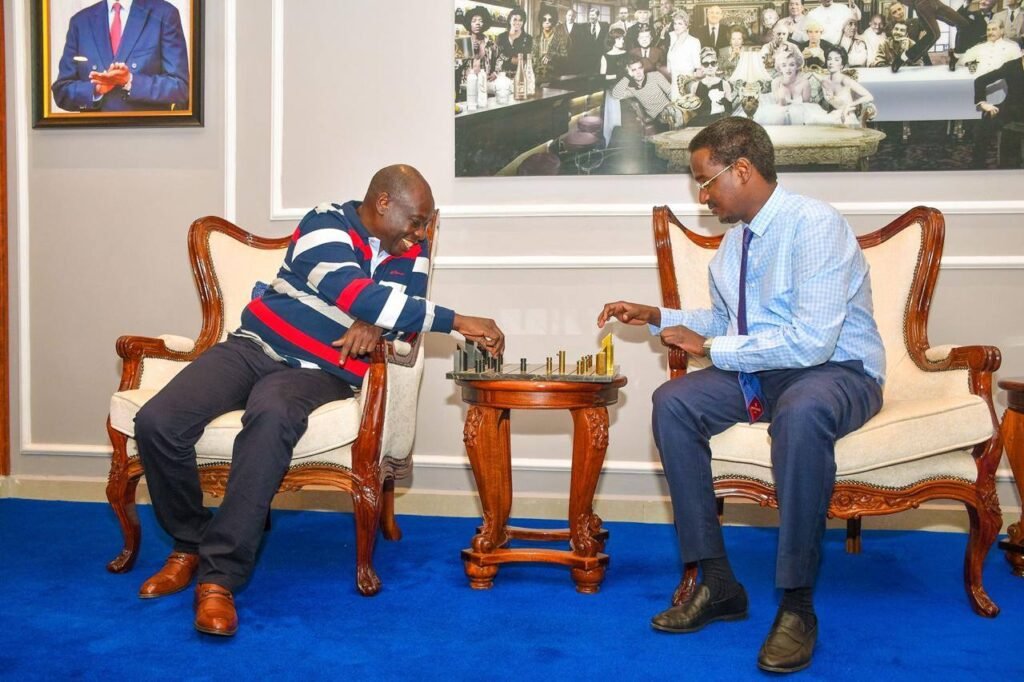
The combative politician had hoped to tell it all. Yes, to tell how leaders from counties in the northern part of Kenya are not delivering services to the residents. However, the journalists refused to give platform to Gachagua, citing their reasons.
They withdrew from a scheduled roundtable interview with former Deputy President Rigathi Gachagua, citing concerns over responsible journalism and national unity.
The discussion, originally set for Thursday, January 22, from 7:00 pm to 9:00 pm, was to involve multiple local radio stations and digital outlets.
In a statement, the umbrella body representing the media outlets explained that proceeding with the interview would conflict with their principles of ethical reporting, constructive public discourse and fostering national cohesion.
“It is with deep regret that we inform our esteemed audience of our decision to terminate the planned roundtable interview,” reads the statement.
“After careful consideration, we have concluded that proceeding with the interview would not align with our core principles. Recent public statements and rhetoric by Hon. Gachagua have increasingly been characterised as divisive, emphasising ethnic and regional divisions at a time when Kenya needs voices that unite rather than polarise.”
The concerns
The media practitioners also expressed concern that the discussion could devolve into character attacks or the spread of unsubstantiated allegations without proper evidence or balanced dialogue.
“As a media outlet committed to ethical standards, fostering informed debate, and promoting peace and cohesion, we cannot in good conscience provide a platform that risks amplifying harmful narratives,” the statement added.
Gachagua had announced the roundtable on his social media platforms on Wednesday, January 21, inviting residents of Northern Kenya to participate in what he described as a “candid discussion through their local radio stations and online media” under the theme: “Every Kenyan deserves to live a dignified life in the spirit of Leaving No One Behind.”
The withdrawal comes amid criticism of Gachagua’s earlier remarks linking some businesses in Nairobi’s Eastleigh area, which has a large Somali community, to alleged economic crimes, including claims of fraudulent funds abroad.
The former deputy president later clarified that his statements were not aimed at the Somali community as a whole, but rather at specific business practices he believed harmed Kenyan farmers.
While acknowledging that the decision to withdraw was difficult, the Northern Kenya Media Practitioners said they remain open to future engagements if there is a clear commitment to constructive and unifying dialogue.
The outspoken politician, who became Kenya’s first impeached deputy president was unfazed, thanks to technology that made him went live on social media platforms such as Facebook.
Gachagua’s plan to woo the north
When he came to talk with the northerners. He appeared reconciliatory, but still ballistic. He sought to reassure the Somali community of his support, saying he will oppose any attempts to create divisions between them and people from the Mt Kenya region.
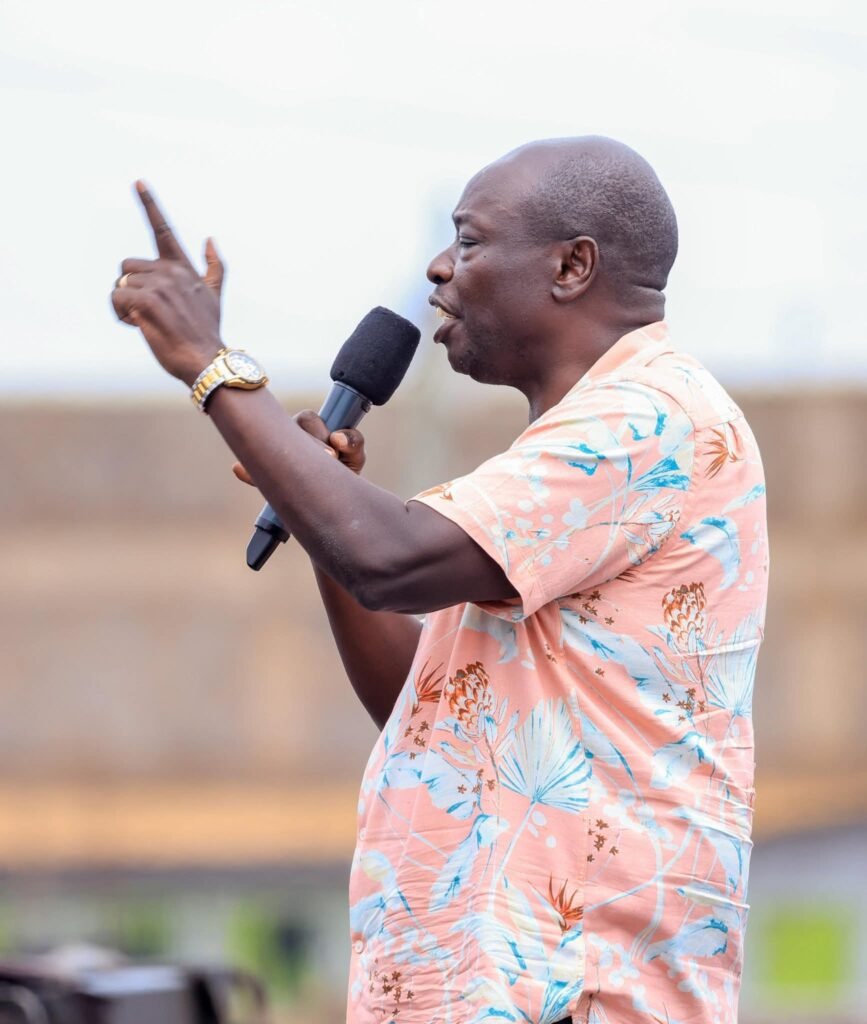
Gachagua said the two communities have long-standing social and economic ties that should not be undermined by political rhetoric.
He described the relationship between the Somali community and the Mt Kenya region as close and mutually beneficial, likening it to an inseparable partnership.
“Jamii ya Wasomali na ya Mlima Kenya hatuwezi kutenganishwa,” he said, using a metaphor to emphasise what he described as the deep connection between the two communities.
Gachagua said their shared history, economic cooperation and cultural interaction have helped shape their relationship over time, adding that these ties should not be weakened by what he termed divisive narratives.
He dismissed claims that there is hostility between people from Mt Kenya and the Somali community, saying such assertions do not reflect the reality as he understands it.
“Kuna madai kwamba jamii ya Mlima Kenya inachukia Wasomali, lakini hayo si kweli,” he said, urging members of the public not to be swayed by what he described as misleading information.
Gachagua also rejected claims that he personally harbours resentment towards the Somali community, saying such allegations are inaccurate. He said both communities play an important role in Kenya’s economy, noting their contribution to trade, entrepreneurship and investment across the country.
“Uchumi wa Kenya unafaidika sana kutokana na bidii ya jamii ya Wasomali na ya Mlima Kenya,” he said.
According to Gachagua, members of both communities are widely spread across the country in search of economic opportunities, contributing to national development through business and enterprise.
He said this shared work ethic and mobility have helped strengthen relations between them over the years. “I will not accept attempts to divide us,” he said, adding that leaders have a responsibility to promote cohesion and protect harmonious relations among communities.


