
The Galana–Kulalu Food Security Project has entered a critical expansion phase, with infrastructure works accelerating and acreage targets rising under a new Public-Private Partnership (PPP) model aimed at transforming Kenya into a food-secure nation.
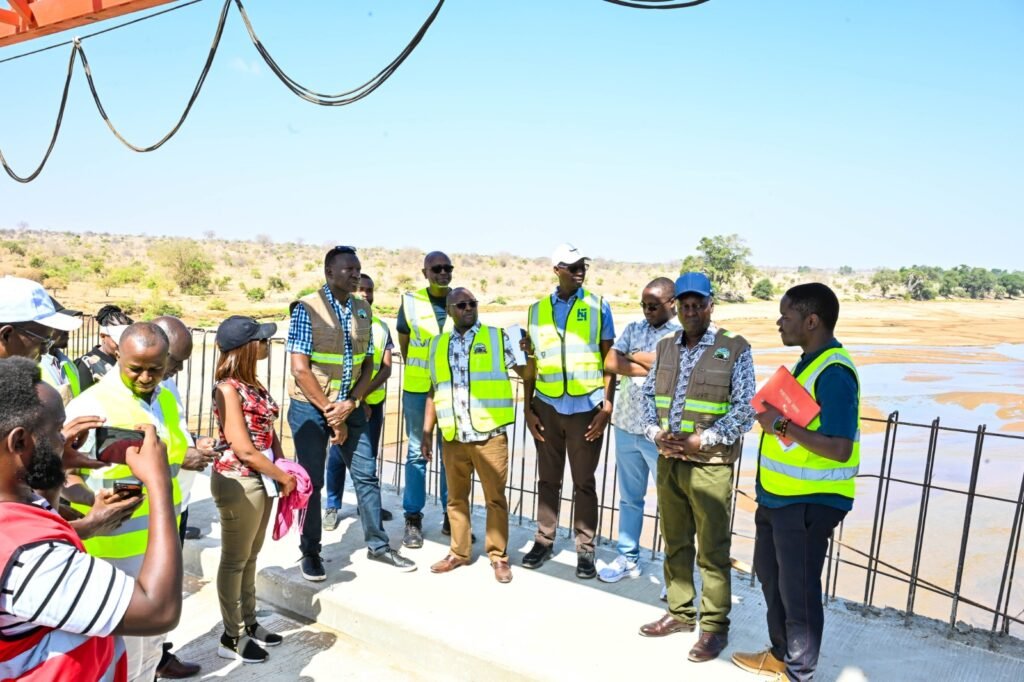
Once criticised as stalled, the multi-billion-shilling irrigation scheme is now advancing toward large-scale commercial production, backed by fresh private capital, government infrastructure spending and a Sh40 billion dam contract signed in December 2025.
Acreage targets and production gains
The project is currently focused on Phase 1, targeting 20,000 acres under irrigation, while laying groundwork for Phase 2, which aims to expand cultivation to 200,000 acres.
As of 2025, 3,200 acres of seed maize were under cultivation. Expansion targets indicate 5,400 acres by February 2026 and 6,400 acres by June 2026, moving toward the 20,000-acre Phase 1 objective.
Yield data from recent harvests shows 28 to 30 bags per acre, while trial phases achieved up to 35 bags per acre — nearly four times the national rain-fed average.
The government says the gains demonstrate the viability of irrigated large-scale farming as a solution to Kenya’s recurring maize shortages and rising import bill.
Bridge at 91% completion
A major infrastructure milestone was announced this week, with the 200-metre Galana–Kulalu Bridge reaching 91.57 per cent completion.
Transport Cabinet Secretary Davis Chirchir said the bridge will unlock access to markets and strengthen the irrigation scheme’s operational efficiency.
“With the bridge now at 91.57% completion, we are firmly on course to unlock the full potential of the Galana–Kulalu irrigation scheme,” he said.
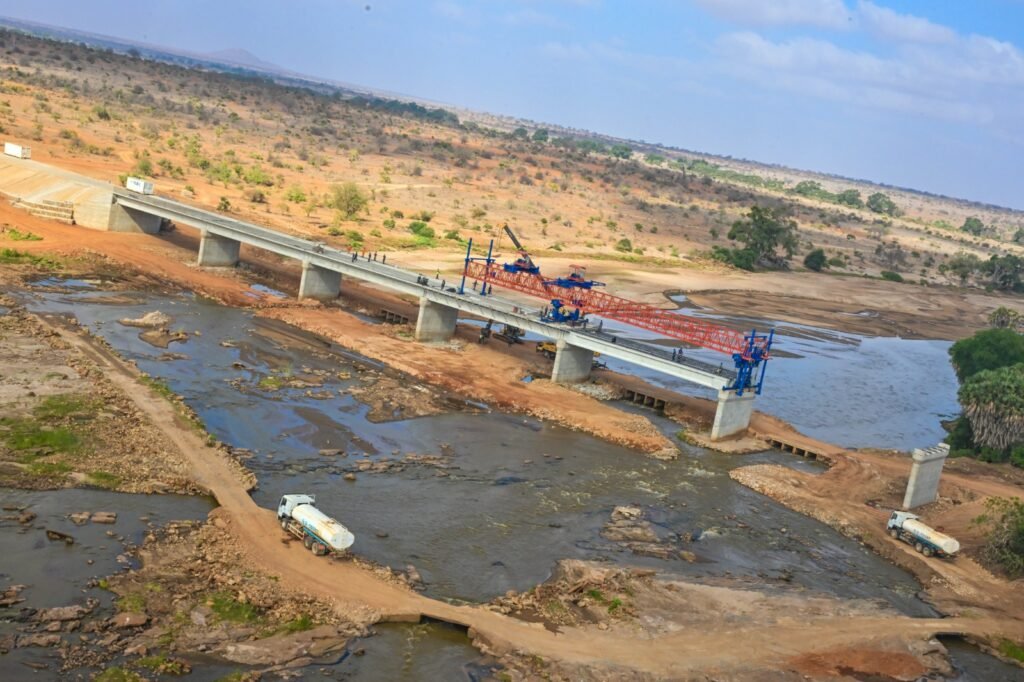
The bridge, supported by 35 precast post-tensioned beams, links Kilifi and Tana River counties and connects farms to the Malindi–Sala Gate road, reducing transport costs and improving access to markets, schools and health facilities.
Chirchir added:
“This project underscores our unwavering commitment to food security, rural development, and inclusive economic growth.”
Sh40 Billion dam to drive large-scale irrigation
The bridge milestone comes weeks after the National Irrigation Authority signed a Sh40 billion contract with China Communications Construction Company Kenya Ltd for the construction of the Galana Dam.
The dam will have a storage capacity of 305 million cubic metres and deliver up to one billion cubic metres of water annually to support irrigation of up to 300,000 acres.
President William Ruto described the dam as a transformative investment during the signing ceremony in Nairobi.
“By strengthening agricultural productivity and food security, we will stabilise food prices, reduce imports, grow exports, and expand agro-processing and value addition. This will create thousands of jobs for our young people and drive inclusive economic growth,” he said.
The dam is also expected to supply drinking water to approximately 70,000 households in surrounding areas.
Electrification and water systems
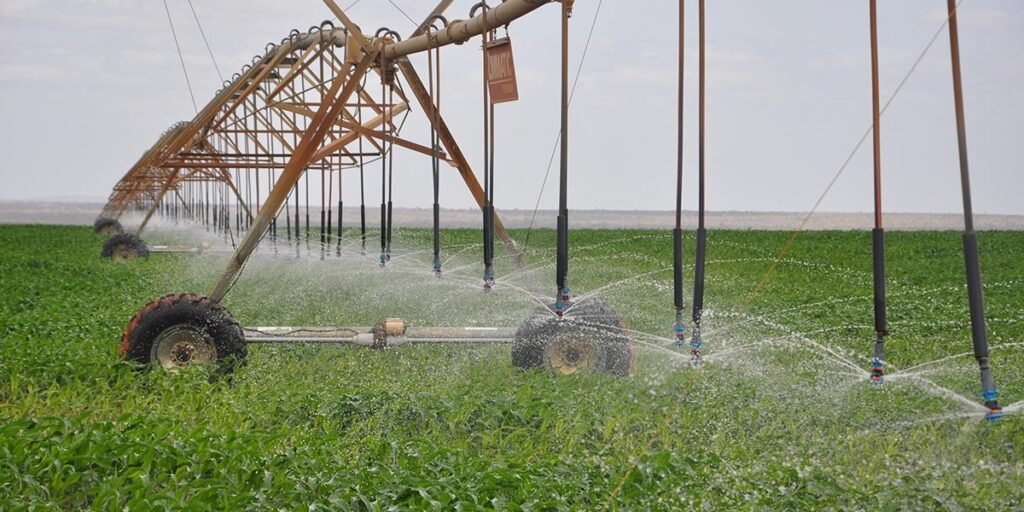
A Sh2.9 billion electrification project is underway to connect the scheme to the national grid by June 2026, replacing diesel-powered pumps with electric and solar-powered systems to lower operational costs.
Seven high-capacity pumps are currently operational out of 14, supported by a 450 million-litre reservoir already completed.
The shift to electric pumping is expected to improve cost efficiency and long-term sustainability.
Financial commitments and PPP model
Under the revived PPP structure, private partner Selu Limited has injected Sh12.5 billion for machinery, logistics and internal farm infrastructure.
The government has spent approximately Sh5.3 billion on intake works, canals and reservoirs.
The project has already contributed Sh210 million in taxes and levies, signalling early fiscal returns.
Officials say the blended financing approach reduces the burden on the Exchequer while accelerating commercial production.
Economic impact outlook
The Galana–Kulalu scheme is designed to meet up to 41 per cent of Kenya’s annual maize consumption, potentially reducing the grain import bill by an estimated 40 per cent.
Beyond food security, the project is expected to generate thousands of jobs in farming, transport and agro-processing, with plans underway to establish an agri-industrial park for flour milling and animal feed production.
If acreage targets are met and infrastructure timelines maintained, the project could significantly stabilise food prices, strengthen rural economies and reduce pressure on foreign exchange reserves.
With the bridge nearing completion, dam construction underway and acreage expanding, Galana–Kulalu is entering what officials describe as its most decisive implementation phase yet.


