
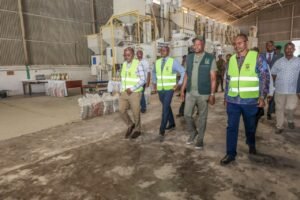


The government has unveiled a sweeping economic plan targeting long-standing debts in the agriculture sector, alongside ambitious investments in energy and economic growth, in what officials describe as a decisive step toward stabilising key industries.
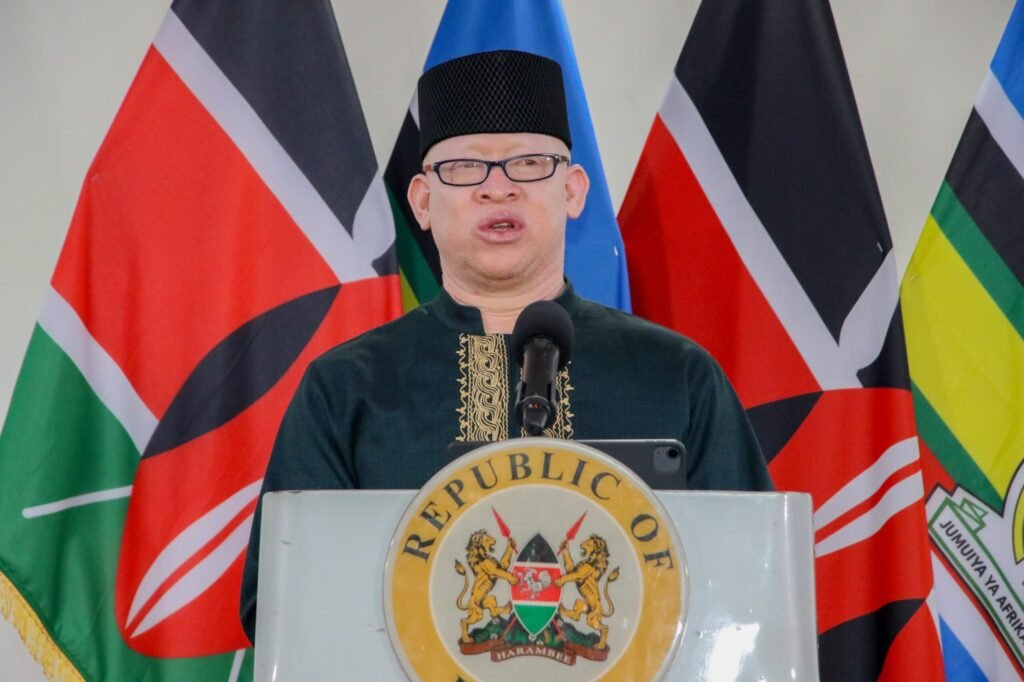
Speaking during a press briefing, Government Spokesperson Isaac Mwaura confirmed that the state has committed to clearing billions owed to farmers, particularly in the struggling coffee and sugar sectors.
“The government is clearing KSh 6.8 billion of debt in the coffee sector by allocating KSh 2 billion in the current budget,” Mwaura said. “Additionally, KSh 2 billion has been set aside for the sugar sector, which has a KSh 10 billion debt.”
Renewed focus on farmers’ earnings
The move is expected to ease financial pressure on thousands of farmers who have endured delayed payments for years. The coffee sector, a backbone of rural economies in regions such as Central Kenya, has been particularly affected by historical debts and fluctuating global prices.
By injecting KSh 2 billion into the current financial year, the government aims to begin restoring liquidity and confidence among farmers, cooperatives, and millers.
Similarly, the allocation to the sugar sector signals an attempt to stabilise an industry burdened by inefficiencies, debts, and competition from imports. Analysts say clearing arrears could improve production and reduce reliance on imported sugar.
Energy expansion targets 10,000MW
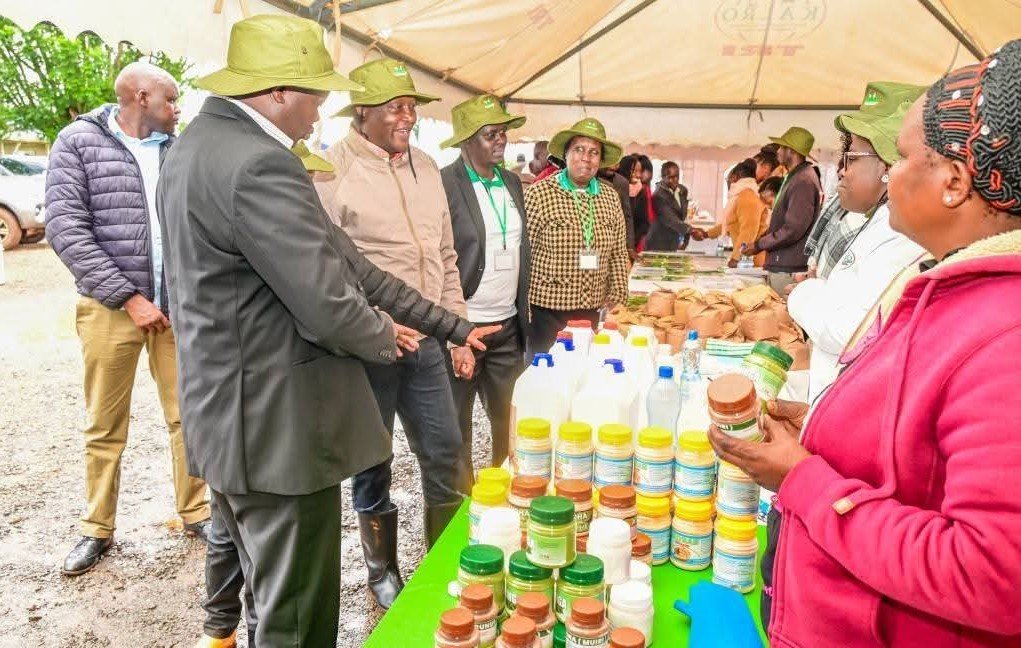
Beyond agriculture, the government is pursuing an aggressive energy expansion plan. Mwaura reiterated that Kenya intends to increase its installed electricity capacity from 3,271 megawatts to at least 10,000 megawatts within five years.
Part of this strategy includes diversifying into nuclear energy, with proposed plants in Kilifi and Siaya counties.
“The Siaya project is expected to begin in March 2027 and will create between 5,000 and 12,000 jobs during construction,” Mwaura said, adding that the facilities will also generate long-term technical employment opportunities once operational.
The expansion is designed to support industrial growth, reduce energy costs, and position Kenya as a regional power hub.
Economic stability and growth outlook
The government also highlighted signs of macroeconomic stability, pointing to relatively low inflation and a strengthening currency.
According to Mwaura, inflation has remained at about 5.3 percent between March and early April 2026, supported by fiscal discipline, improved debt management, and targeted interventions across key sectors.
“Real GDP growth is projected at 5.5 percent for the 2025/26 financial year, higher than the global average,” he said, attributing the outlook to a recovering agricultural sector and a resilient services industry.
The stable inflation environment has helped ease pressure on food and energy prices, offering some relief to households across the country.
Tourism sector records steady recovery
Tourism, another pillar of the economy, has also shown notable recovery. The country recorded 7.9 million visitors in the past year, marking a 9 percent increase.
Domestic tourism grew by 5.2 percent, while international arrivals rose by 2.7 percent, trends the government links to policy changes such as the Electronic Travel Authorisation (ETA) system and continued investment in tourism infrastructure.
A balancing act between policy and impact
While the government’s plan signals renewed commitment to agriculture and economic growth, its success will depend on timely implementation and sustained funding.
For farmers, the real impact will be measured not just by allocations, but by how quickly debts are cleared and whether reforms translate into better prices, stable markets, and long-term profitability.
As Kenya navigates economic recovery, the coming months will test whether these policy promises can deliver tangible change on the ground.


