
Kakamega County Governor Fernandes Barasa has expressed confidence that the ongoing upgrade of Bukhungu Stadium will be completed by September, positioning the county to host matches during the Africa Cup of Nations.
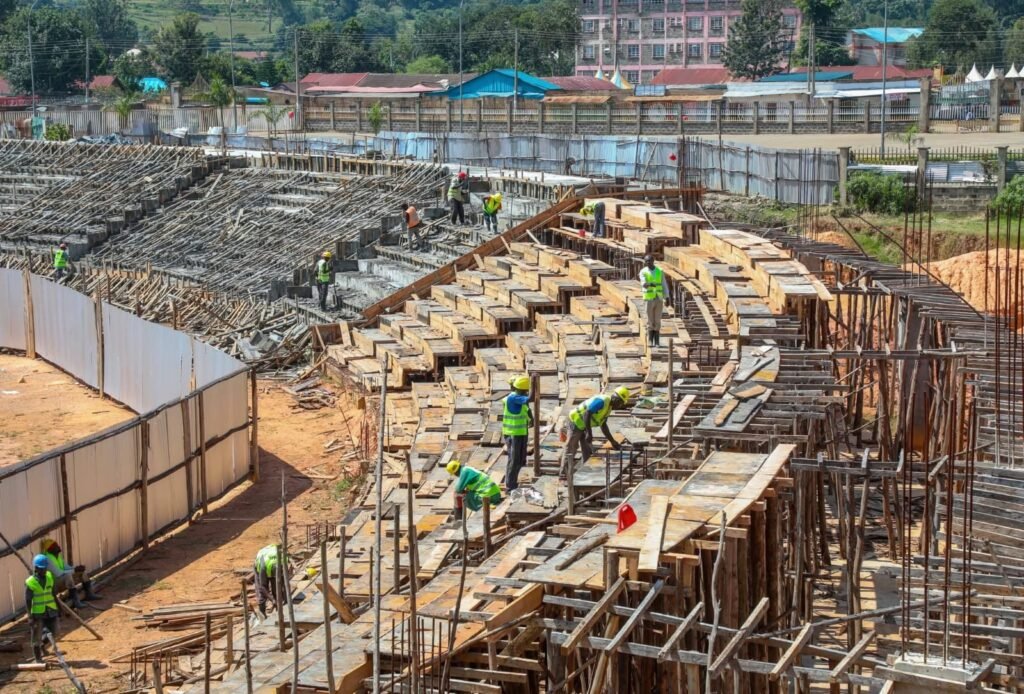
The governor said construction under Phase II and Phase III is progressing steadily, with works remaining on schedule under a joint funding arrangement between the National and County Governments.
“Construction of Phase II and III of Bukhungu Stadium is progressing well and remains on course,” Barasa said.
What phase II and III entail
According to the governor, Phase II of the project includes installation of a canopy, expansion of the VIP stand and upgrades to terraces and seating areas to meet international standards. The works also cover the construction of modern changing rooms, medical support rooms and gym facilities aimed at improving the stadium’s functionality for professional matches.
“Phase II includes canopy installation, VIP stand expansion, and upgrades to terraces and seating, alongside modern changing rooms, medical support rooms, and gym facilities,” Barasa stated.
Phase III will focus on completing the Southern C Section, effectively finalising the stadium’s seating bowl and enhancing overall capacity and spectator experience.
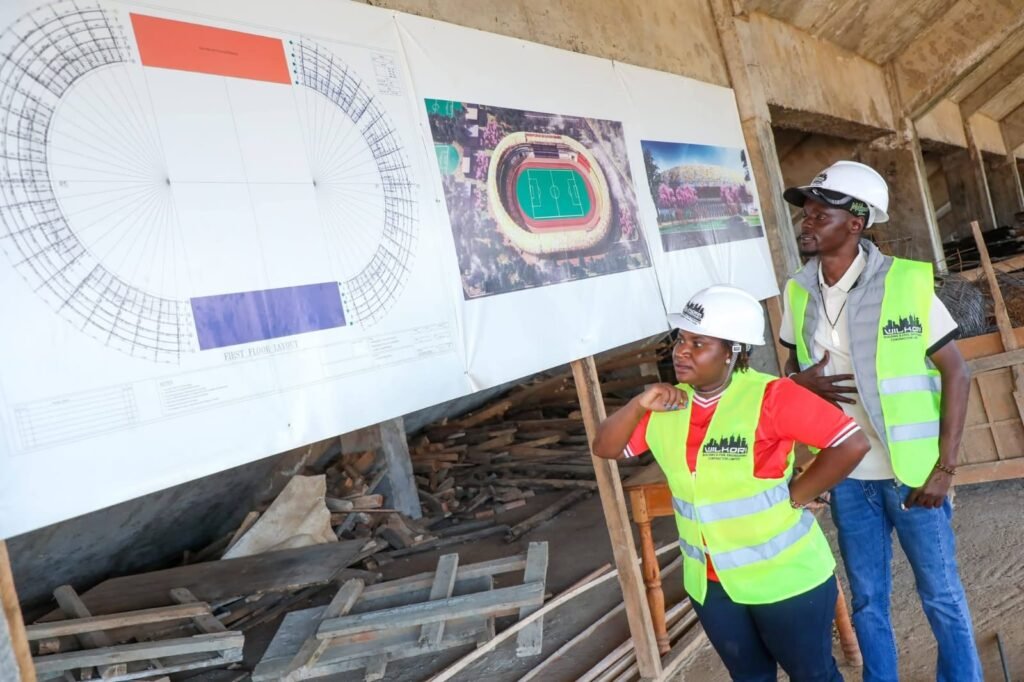
“Phase III (Southern C Section) will complete the stadium’s seating bowl,” he added.
Joint funding and national significance
Governor Barasa emphasised that the project is being jointly financed by the National and County Governments, underscoring the importance of intergovernmental collaboration in preparing Kenya for continental tournaments.
“Jointly funded by the National and County Governments, the project is expected to be completed by September, positioning Kakamega to host matches during the 2027 AFCON and other high calibre events,” he said.
The completion of Bukhungu Stadium is expected to boost Kakamega’s profile as a regional sporting hub, while also stimulating economic activity through hospitality, transport and small business sectors when international matches are hosted.
With the September deadline set, attention will now turn to ensuring the facility meets Confederation of African Football (CAF) standards ahead of inspection and certification processes.

