
The Ministry of Health has clarified that Lenacapavir, a new long-acting injectable drug used to prevent HIV infection, will be provided free of charge at selected public health facilities across the country.
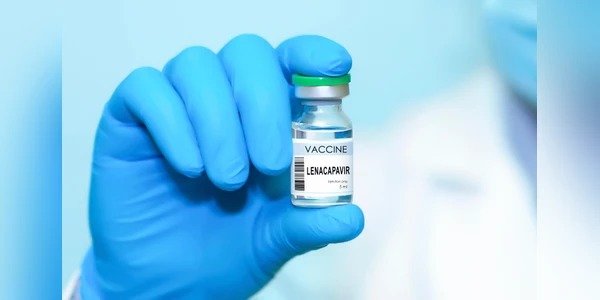
In a statement, the Ministry explained that the medicine will be rolled out in first-priority counties as part of Kenya’s HIV prevention strategy.
“Lenacapavir will be offered free of charge in health facilities in the select first-priority counties for prevention purposes,” the Ministry said.
The clarification follows earlier media reports indicating that the drug would cost approximately Ksh7,800 per patient annually — a figure that caused confusion among members of the public.
Cost to Government, not patients
Health officials have now clarified that the Ksh7,800 figure refers to the estimated annual cost per patient to the health system, not a fee that individuals will be required to pay.
The Division of National AIDS and STI Control Program (NASCOP), which leads Kenya’s fight against HIV and AIDS, reaffirmed that the injectable medicine will be issued free of charge in designated facilities within selected high-burden counties.
“The medication will be provided free of charge for prevention in selected priority counties through designated health facilities,” the agency stated.
Initial supply and phased rollout
Kenya has already received 21,000 starter doses of Lenacapavir through a partnership with the Global Fund. The consignment marks the beginning of a national rollout focused on regions with the highest HIV prevalence.
An additional 12,000 continuation doses are expected by April 2026, while a further 25,000 doses from the United States Government will support early implementation efforts.
Unlike daily oral HIV prevention pills, Lenacapavir is administered twice a year, making it a convenient option for individuals who struggle to maintain daily medication routines.
Safety approval and regulatory clearance
Director General for Health Dr. Patrick Amoth, who received the initial shipment, assured the public that the medicine meets international safety standards. He noted that the injectable drug was approved by the U.S. Food and Drug Administration (FDA) in June 2025 and later endorsed by the World Health Organization in July 2025.
In January 2026, Kenya’s Pharmacy and Poisons Board completed its own scientific review and registered both the oral and injectable formulations for national use.
The rollout will begin in March 2026, targeting 15 high-burden counties in the first phase, before gradually expanding to other parts of the country.
The initiative aligns with Kenya’s Universal Health Coverage agenda and ongoing efforts to reduce new HIV infections, including preventing mother-to-child transmission and ensuring more Kenyans have access to effective prevention options.


