
President William Ruto’s administration has placed health sector transformation at the centre of its Bottom-Up Economic Transformation Agenda, rolling out reforms aimed at expanding access, improving financing, strengthening infrastructure and digitising service delivery.
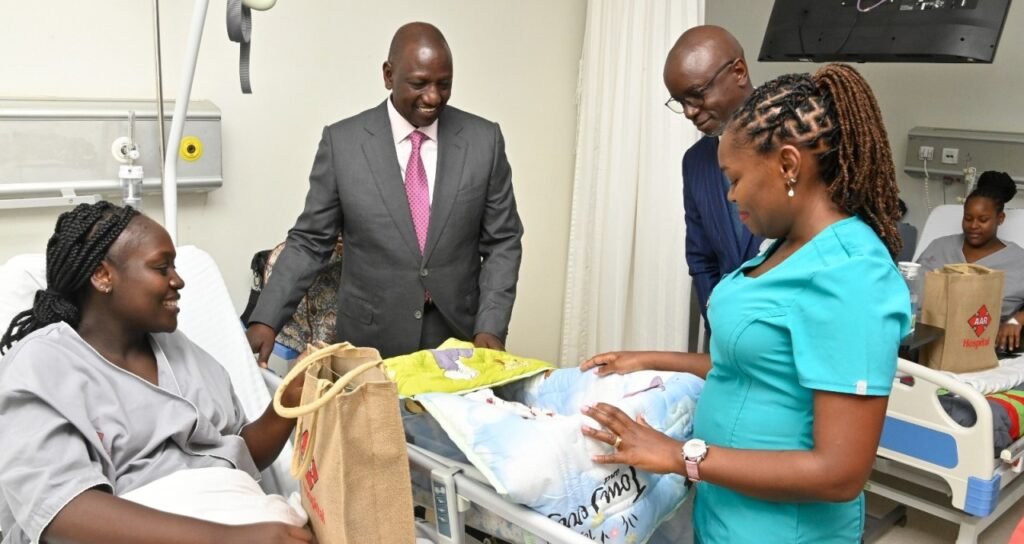
A review of government data, policy documents and official updates shows that several key health reforms have been implemented, with others currently being scaled up across the country.
Social health authority rollout and expanded coverage
One of the flagship reforms has been the transition from the National Health Insurance Fund (NHIF) to the Social Health Authority (SHA). According to official government figures, more than 29.4 million Kenyans have registered under SHA, marking one of the largest health insurance enrolment drives in the country’s history.
The reform introduced free primary healthcare for SHA-registered citizens, reducing out-of-pocket expenses at dispensaries and health centres. This shift is intended to strengthen preventive care and reduce congestion at higher-level facilities.
Under the new framework, hospitals have also received increased funding. Government reports indicate that more than KSh 75 billion has been released to facilities under SHA to support service delivery, enhance reimbursement and improve operational stability.
In addition, certain high-cost treatments and medicines have been incorporated into coverage. For example, drugs previously considered unaffordable, such as Herceptin for breast cancer treatment, are now covered under the new scheme. Cancer insurance benefits have also reportedly increased from KSh 550,000 to KSh 800,000 per patient.
Strengthening supply chains and human resources
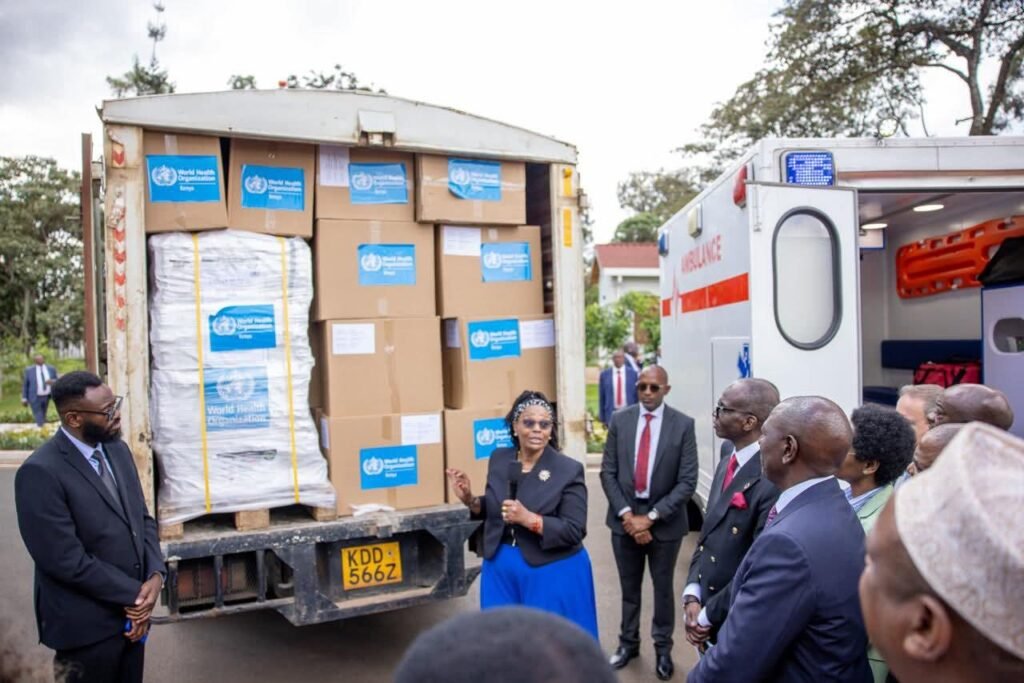
Reforms have also targeted the Kenya Medical Supplies Authority (KEMSA), with the government reporting improved operational efficiency and drug availability rising to above 90 percent in public facilities. This has significantly reduced stockouts of essential medicines in many counties.
To strengthen grassroots healthcare delivery, 107,831 community health promoters have been hired nationwide. These health workers play a critical role in early disease detection, maternal and child health monitoring, vaccination follow-ups and public health education.
The administration has further boosted local pharmaceutical manufacturing by increasing supplies to KEMSA from domestic producers, supporting Kenya’s push for self-reliance in essential medical commodities.
Infrastructure expansion and digital transformation
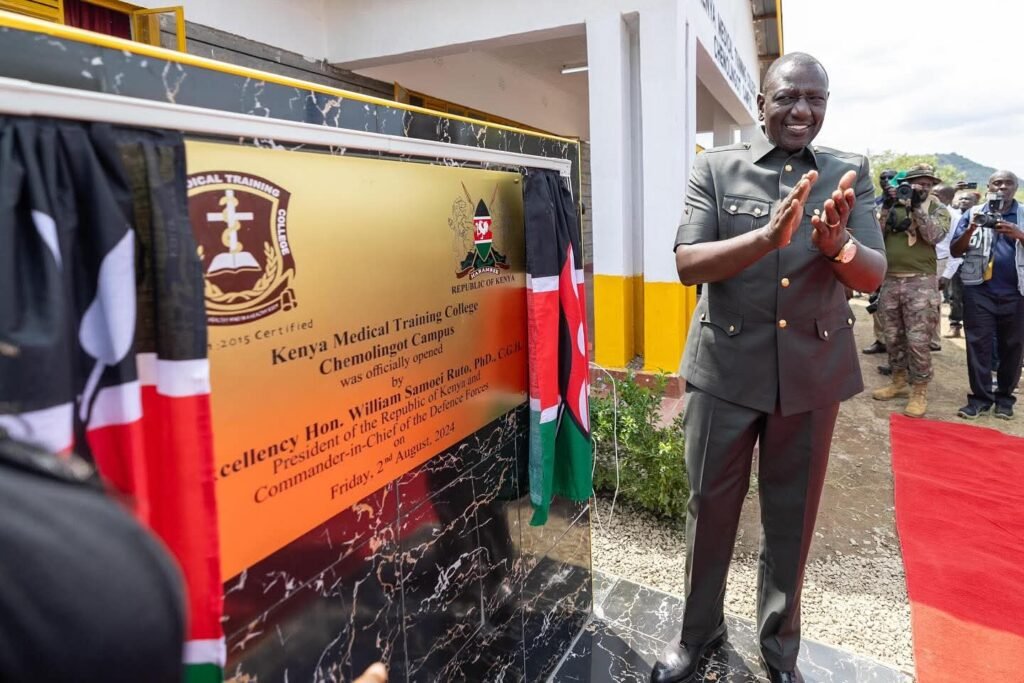
Infrastructure development has been another key pillar of the reforms. More than six new Level 4 hospitals have been completed, with over 70 health facilities currently under construction across different counties. Upgrades at Level 6 referral hospitals are ongoing to improve access to specialised services.
The National Equipment Support Programme has also been rolled out to modernise hospital equipment, including diagnostic and treatment machines, ensuring improved accuracy and better patient outcomes.
On the digital front, more than 10,277 health facilities have been digitised to support telemedicine, data management and efficient service delivery. This digital integration aligns with the broader Digital Superhighway Programme and supports real-time health data tracking.
Continued implementation
While several reforms have already been rolled out, the government maintains that implementation is ongoing, with additional investments in equipment, human resources and county partnerships expected.
President Ruto has consistently described healthcare reform as central to achieving Universal Health Coverage, emphasising sustainability, inclusivity and efficiency in service delivery.
Based on available official data, the administration has implemented significant components of its proposed health reforms and continues to scale up initiatives aimed at improving access, affordability and quality of healthcare services across Kenya.


