
Built when Kenya was barely a decade into independence, the Kenyatta International Convention Centre was more than a building, it was a bold declaration that Nairobi was ready for the world.
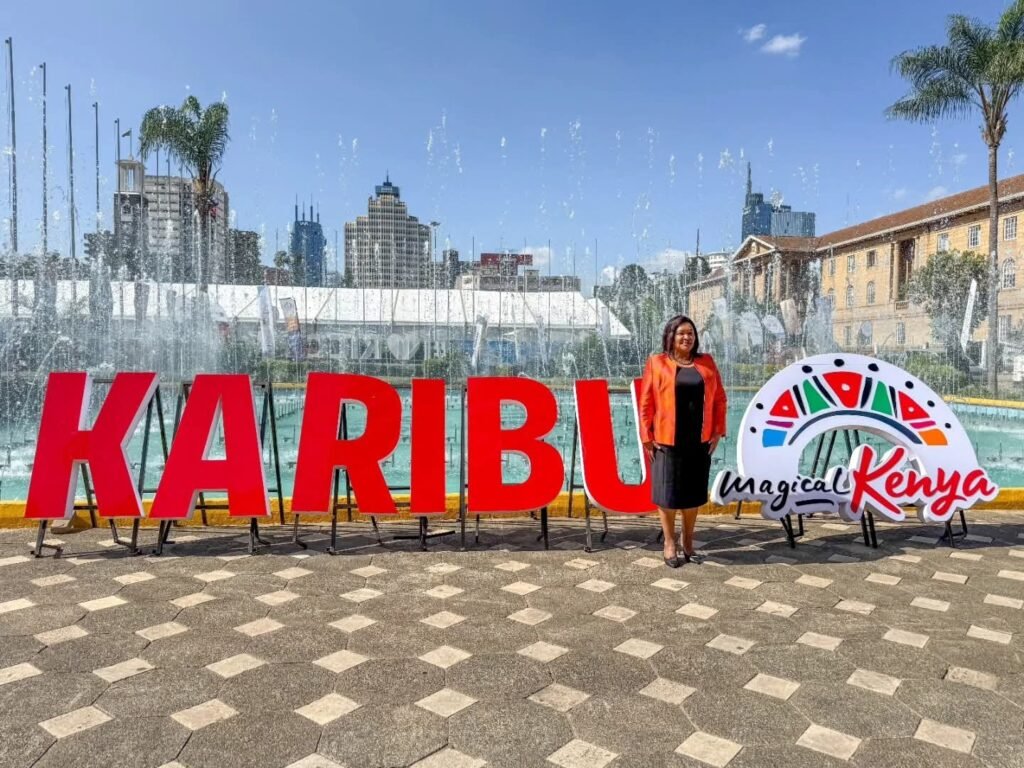
Rising from the heart of the Central Business District, the cylindrical tower quickly became a defining feature of the capital’s skyline. Completed in 1973, KICC symbolised a young nation’s ambition, confidence and desire to position itself as Africa’s diplomatic and commercial hub.
Half a century later, even as modern skyscrapers reshape Nairobi’s skyline, KICC remains the city’s most recognisable landmark.
A post-independence symbol of ambition
Construction began in 1967 after the foundation stone was laid by Kenya’s first President, Jomo Kenyatta. At the time, Kenya was still crafting its post-independence identity and seeking architectural symbols that reflected both heritage and progress.
Designed by Norwegian architect Karl Henrik Nøstvik alongside Kenyan architect David Mutiso, the structure combined modernist engineering with African inspiration. Its cylindrical tower and adjoining amphitheatre were influenced by traditional African huts, while the terracotta exterior gave it a distinct, earthy tone.
Standing 105 metres tall with 32 floors, KICC briefly held the title of Nairobi’s tallest building. But its true significance went beyond height, it became a physical representation of national pride and forward-looking ambition.
A global stage in the heart of Nairobi
KICC was purpose-built to position Nairobi as a premier international conference destination. Almost immediately after completion, it hosted the 1973 World Bank and IMF meetings, a landmark event that placed Kenya on the global diplomatic map.
Three years later, it welcomed the United Nations Conference on Trade and Development (UNCTAD), reinforcing its role as a continental meeting ground for political and economic dialogue.
Over the decades, the venue has hosted presidents, diplomats, investors and global organisations. From political conventions and state functions to trade expos and cultural festivals, KICC has remained at the centre of national and international events.
Its location — within walking distance of Parliament and key government offices — further cemented its position as part of Kenya’s power corridor.
The rooftop that captured a city
Beyond politics and diplomacy, KICC is also a tourism magnet. Its rooftop helipad offers sweeping 360-degree views of Nairobi, stretching from Upper Hill’s modern towers to Ngong Hills and, on clear days, Nairobi National Park.

For generations of Kenyans, visiting the rooftop has been a rite of passage, a school trip highlight, a first panoramic photo of the city, a reminder of how Nairobi continues to grow.
In the digital age, the helipad remains one of the most photographed spots in the capital, blending nostalgia with modern city pride.
Enduring legacy in a changing skyline
Today, Nairobi’s skyline is evolving rapidly, with new mega-projects promising greater height and contemporary glass façades. Yet none carry the same historical weight as KICC.
Its endurance lies not in competing with newer buildings, but in representing something deeper — Kenya’s early confidence, its diplomatic milestones and its architectural identity.
Fifty years after it first opened its doors, the Kenyatta International Convention Centre remains more than concrete and steel. It is a national symbol, a witness to history and the unmistakable signature of Nairobi.


