
Kenya has unveiled an ambitious multi-Billion shilling plan to modernise Jomo Kenyatta International Airport (JKIA) after the government cancelled a controversial partnership with India’s Adani Group. The new strategy aims to transform the airport into a world-class aviation and logistics hub capable of competing with some of Africa’s largest airports.
The project, estimated to cost between Sh258 billion and Sh264 billion, will be implemented in phases between 2026 and 2029 and is expected to significantly expand passenger capacity while improving cargo and aircraft operations.
The government had earlier proposed a Public Private Partnership with the Adani Group worth about Sh260 billion to upgrade JKIA. The proposal, however, triggered widespread criticism over transparency concerns and the potential long-term control of the airport by a private foreign company.
President William Ruto later cancelled the arrangement and directed authorities to pursue a different approach that retains state ownership.
Speaking in Nairobi in late 2025 during discussions on Kenya’s infrastructure strategy, President Ruto said the government was determined to modernise the airport while safeguarding national assets.
“We must expand and modernise our infrastructure to support trade, tourism and investment while ensuring that strategic national assets remain protected for the benefit of Kenyans,” Ruto said.
Under the new master plan, the government will construct a new passenger terminal capable of handling an additional 10 million travellers annually.

Currently, JKIA handles approximately 9 million passengers annually, which exceeds its designed capacity of 7.5 million. The airport serves as the busiest aviation hub in East Africa, with passenger numbers projected to rise significantly to 22 million by 2045.
Another key component is the construction of a second 4.8-kilometre runway, which will end JKIA’s reliance on a single runway that currently handles all takeoffs and landings.
Once completed, the new runway is expected to increase aircraft movements from about 14 per hour to more than 60 per hour.
The modernisation will also include new taxiways, expanded cargo facilities, automated passenger systems and modern boarding bridges.
Officials say the plan will also create an “Airport City” around JKIA, incorporating hotels, logistics hubs, business parks and commercial developments.
Speaking during the unveiling of the National Infrastructure Fund in Nairobi on March 9, 2026, National Assembly Majority Leader Kimani Ichung’wah said the infrastructure programme would support strategic projects such as the JKIA upgrade.
“The journey to Singapore has been crystallised. We have now put the roadmap to the first world,” Ichung’wah said after Parliament approved the infrastructure financing framework.
The project will largely be financed through the National Infrastructure Fund (NIF), a new financing mechanism created to mobilise long-term investment for large national projects.
The government has already allocated about Sh20 billion in seed funding, partly sourced from proceeds of the Kenya Pipeline Company share sale.
Additional funding is expected to come from local pension funds, insurance companies and development partners, including the African Development Bank and Japan International Cooperation Agency.
Officials say the approach allows the country to build infrastructure without excessively increasing public debt.
Kenya’s plan to upgrade JKIA comes as several African countries invest heavily in aviation infrastructure to strengthen their regional influence.
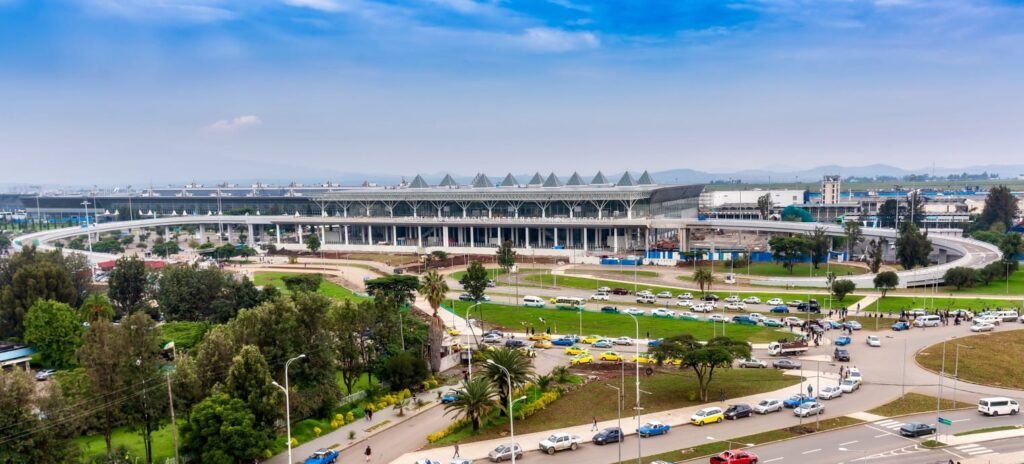
Addis Ababa’s Bole International Airport currently dominates East Africa’s aviation sector thanks to the rapid expansion of Ethiopian Airlines.
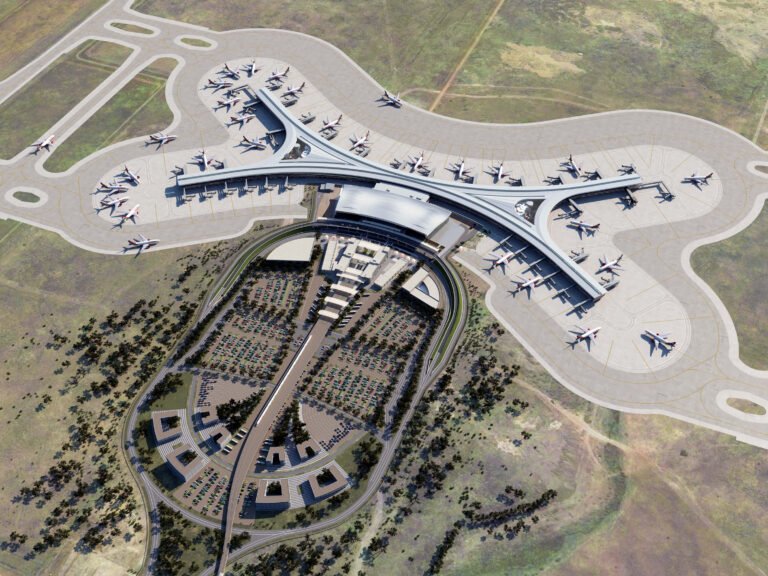
Ethiopia has already begun constructing a massive new airport near Addis Ababa capable of handling up to 110 million passengers annually, positioning it as one of the largest airports in the world.
Rwanda is developing the Bugesera International Airport, a $2 billion project backed by Qatar Airways that aims to handle up to 14 million passengers annually once completed.
The airport is designed to serve as a high-tech aviation hub for Central and East Africa.
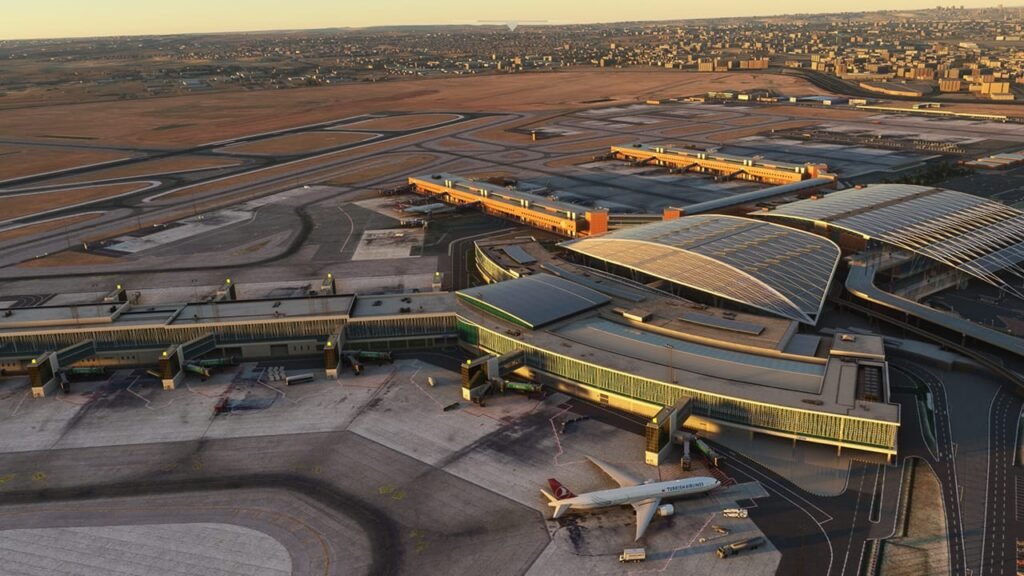
Cairo International Airport remains one of Africa’s busiest aviation centres with passenger capacity exceeding 30 million annually and strong connectivity to Europe, Asia and the Middle East.
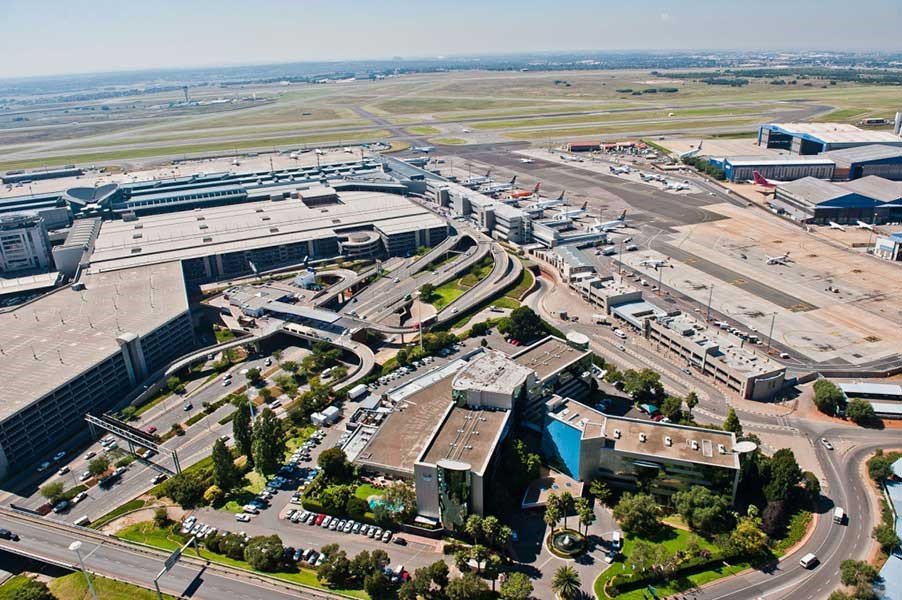
South Africa’s OR Tambo International Airport in Johannesburg is currently the continent’s largest aviation hub, handling about 28 million passengers annually and serving as a gateway to southern Africa.
Aviation experts say the JKIA modernisation will be crucial in ensuring Nairobi maintains its position as a leading aviation hub in East Africa.
If successfully implemented, the project is expected to support tourism growth, strengthen cargo exports, attract international airlines and create thousands of jobs.
Officials say the long-term goal is to transform JKIA into a globally competitive aviation hub linking Africa with Europe, Asia and the Middle East.
“With the planned expansion, Nairobi will remain one of Africa’s most strategic aviation gateways and a major driver of Kenya’s economic growth,” a senior government official involved in the project said.


