
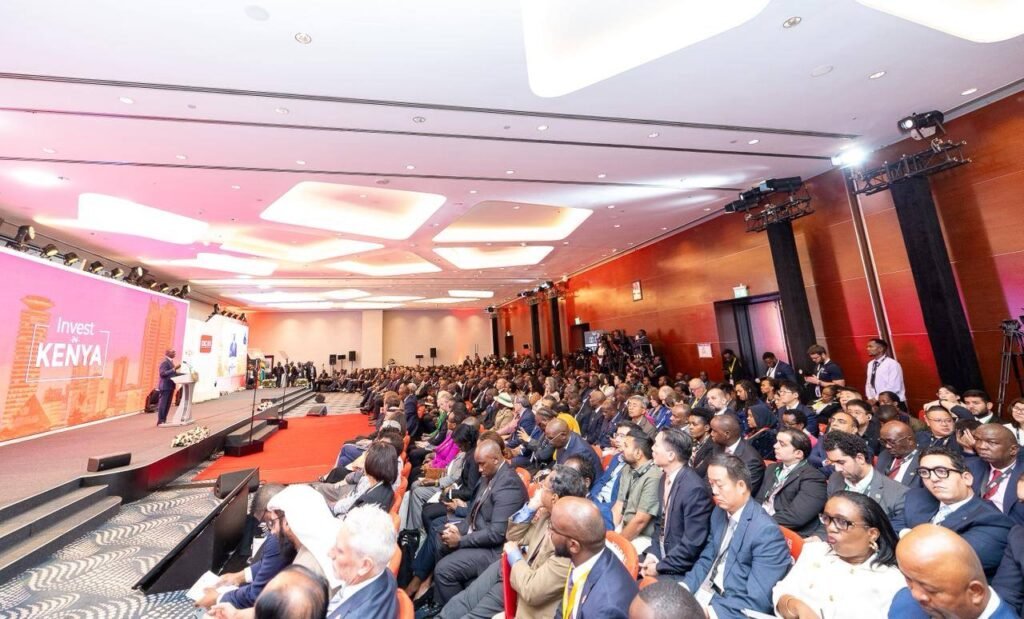
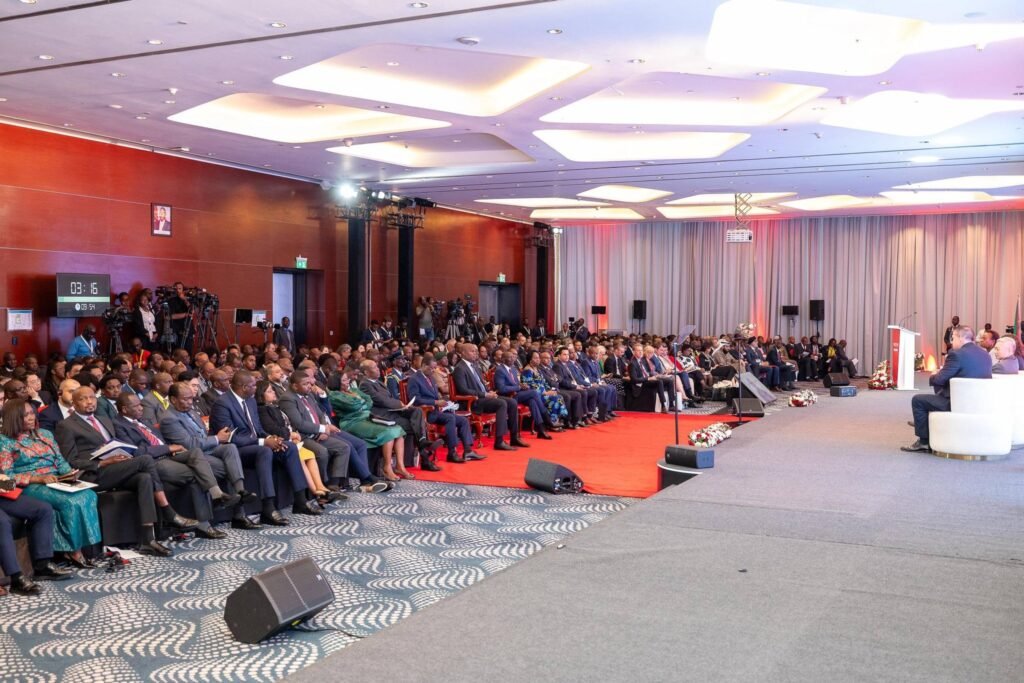
Kenya and China have intensified efforts to strengthen bilateral trade and investment following a high-level business forum held in Nairobi, bringing together over 350 policymakers, investors, and business leaders from both countries.
The China-Kenya Business Forum, convened on March 23, focused on expanding trade opportunities ahead of China’s planned rollout of a zero-tariff policy for 53 African countries beginning May 1, 2026. The move is expected to significantly enhance market access for Kenyan exports.

Zero-Tariff Policy Seen as Game Changer
Officials at the forum underscored the potential impact of China’s zero-tariff policy, which will allow duty-free entry for a wide range of African goods into one of the world’s largest consumer markets.
“China will implement zero-tariff treatment for 53 African countries, which will provide more opportunities for exporters to access the Chinese market,” said China Council for the Promotion of International Trade (CCPIT) Chairman Ren Hongbin.
For Kenya, the policy comes at a critical time as the country seeks to address a persistent trade imbalance with China, where imports far outweigh exports. Policymakers now view increased exports—particularly value-added agricultural goods—as key to narrowing this gap.
Deputy President Kithure Kindiki, China’s Vice President Han Zheng, and Trade Cabinet Secretary Lee Kinyanjui were among top officials who addressed the forum, emphasizing the need for stronger economic cooperation.
Focus on Agriculture, Value Addition
Agriculture emerged as a central pillar of the discussions, with products such as tea, coffee, avocados, macadamia, and minerals identified as high-potential exports.
At least 25 Kenyan companies showcased their products at the forum, targeting opportunities under the zero-tariff arrangement. Meanwhile, 64 Chinese enterprises participated in business matchmaking sessions aimed at forging partnerships across sectors including manufacturing, energy, finance, and technology.
Experts noted that value addition will be critical if Kenya is to fully benefit from expanded market access.
By shifting from raw exports to processed goods—such as packaged tea or avocado oil—Kenya stands to earn more foreign exchange and strengthen its global competitiveness.
Infrastructure and Logistics Key to Growth
Discussions also highlighted the importance of improving logistics and trade infrastructure to support growing commercial ties between the two nations.
Stakeholders pointed to ongoing and proposed infrastructure projects under China’s Belt and Road Initiative as critical enablers of trade, particularly in reducing transportation costs and improving efficiency along supply chains.
However, analysts cautioned that market access alone will not guarantee success.
Kenyan producers will need to scale up production, meet international quality standards, and address long-standing challenges such as high production costs and limited financing.
Optimism Despite Challenges
Despite these hurdles, the government expressed optimism that the forum marks a turning point in Kenya-China economic relations.
Officials described the engagement as part of a broader strategy to promote more balanced trade and deepen South-South cooperation, as African economies seek alternatives to traditional markets in Europe and North America.
The forum also reinforced Kenya’s ambition to position itself as a key export hub within the region, leveraging new trade frameworks to unlock growth.
As the May 1 implementation date approaches, attention is now shifting to how quickly Kenyan businesses can adapt and take advantage of the zero-tariff window.
If successfully executed, the initiative could significantly boost Kenya’s export earnings, strengthen local industries, and redefine trade relations between Nairobi and Beijing.


