
Calvince Okoth, popularly known as Gaucho, is one of Kenya’s most unconventional public figures, a man whose life story reads like a film script marked by struggle, danger, redemption, and reinvention.
Born in Rongo, Migori County, Gaucho’s early life was defined by hardship. He lost his parents at a young age and dropped out of school in Class Six around 2002, becoming the eldest caretaker of his siblings. With limited options, he moved to Nairobi in search of survival, arriving with little more than determination and KSh 1,800.
In the capital, he settled in informal settlements such as Korogocho, Dandora, and Mukuru. It was here that he learned how to navigate city life—starting with odd jobs like construction (mjengo), mandazi-making, and small hustles just to get by.
Football talent earns him the name “Gaucho”
Despite the harsh environment, Gaucho found an outlet in football. He played for local teams across Eastlands, showcasing impressive skill that earned him the nickname “Gaucho,” inspired by Brazilian football legend Ronaldinho Gaúcho.
For a time, football offered hope. But economic struggles and failed small businesses pushed him down a darker path.
Descent into crime and near-death encounters
Facing mounting pressure to survive, Gaucho drifted into crime, joining a gang involved in robberies and other illegal activities. This phase lasted nearly seven years and marked one of the most dangerous chapters of his life.
He survived multiple close encounters with death, often escaping police crackdowns that claimed the lives of many of his associates. In one dramatic incident, a vehicle he was in rolled several times while fleeing law enforcement near Nairobi River. He survived and was arrested, narrowly avoiding execution after intervention by a local leader.
Another major incident linked him to a 2014 petrol station robbery in Ruiru, which left several suspects dead. That moment became a turning point, forcing him to confront the reality of his choices.
A turning point through faith and mentorship
Gaucho’s life began to shift after an unexpected encounter with a missionary. In a rare moment, he intervened to stop a robbery targeting her, returning her belongings instead. That act opened a door.
He was later enrolled at Diguna Discipleship Training College in Karen, where he underwent religious and leadership training for over a year. He also participated in outreach programmes in Samburu and began preaching against crime in Nairobi.
However, the transition was not immediate. He struggled with relapse, occasionally slipping back into crime even while trying to reform—highlighting the complexity of escaping that life.
Entry into activism and politics
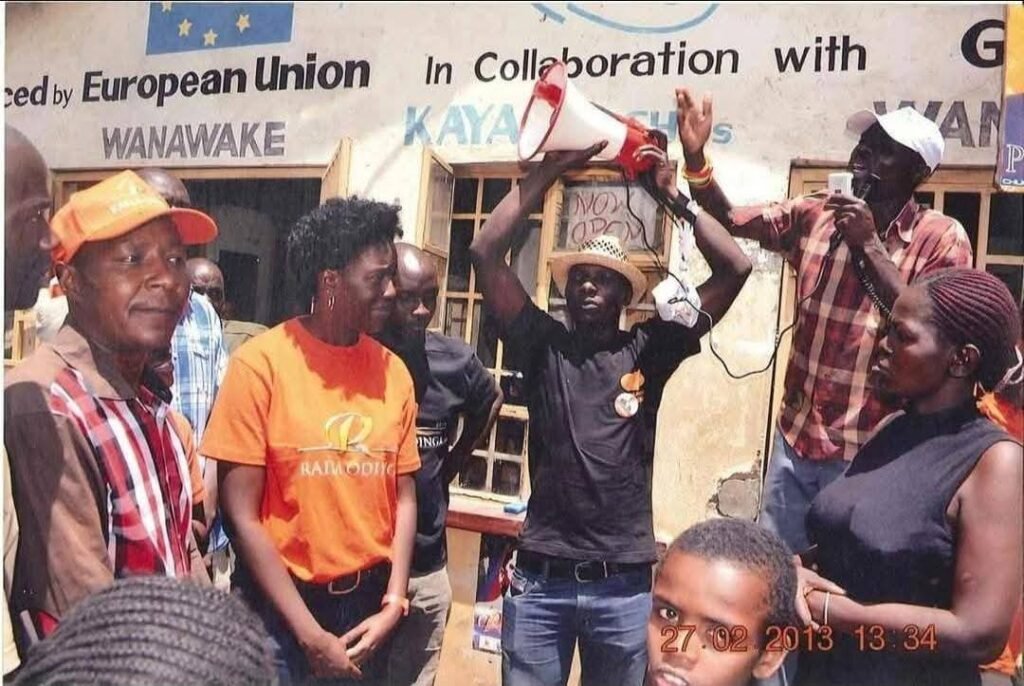
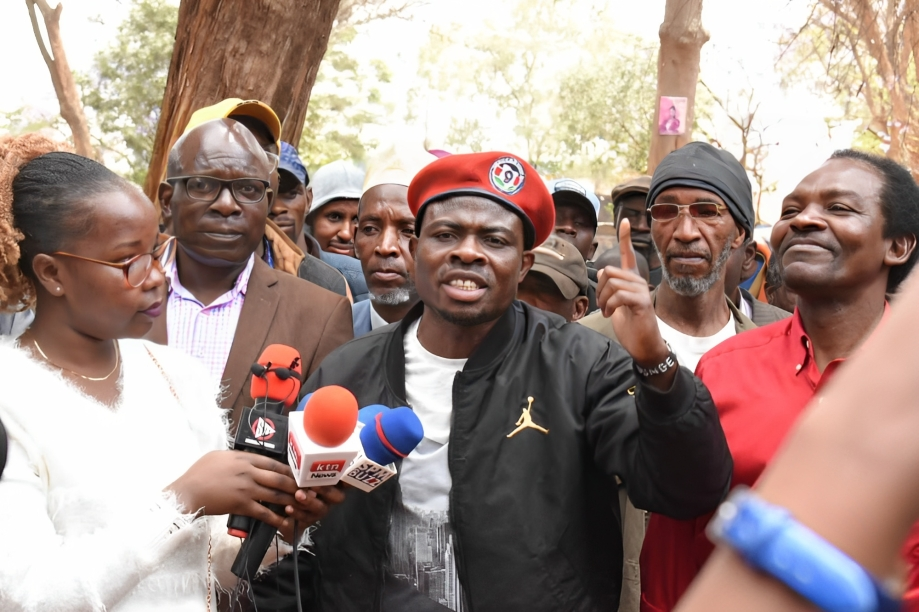
Gaucho gradually rebuilt his identity through activism. He became involved in youth mobilisation and community advocacy, eventually rising to prominence as the president of the Bunge la Mwananchi movement—a grassroots platform amplifying the voices of ordinary Kenyans.
His activism gained national attention during the 2023 cost-of-living protests, where he emerged as a vocal and fearless representative of the urban poor.
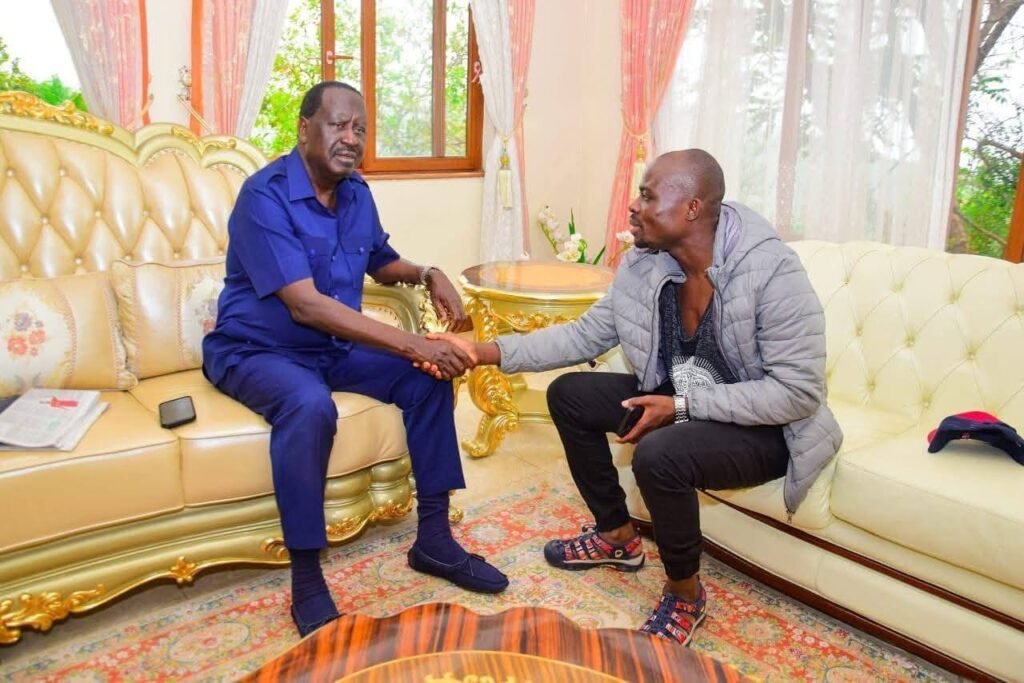
He also ventured into politics, contesting for positions in 2013 and 2017 under ODM. Although unsuccessful, these attempts strengthened his grassroots networks and influence in Nairobi’s informal settlements.
Education comeback and personal growth
In a significant personal milestone, Gaucho returned to school and completed his KCSE in 2023 through adult education at Ngumbaru School. The move symbolised his commitment to self-improvement and breaking away from his past limitations.
He has since emphasized education, mentorship, and economic empowerment, particularly for youth from disadvantaged backgrounds.
Recent appointment to Mama Lucy hospital board
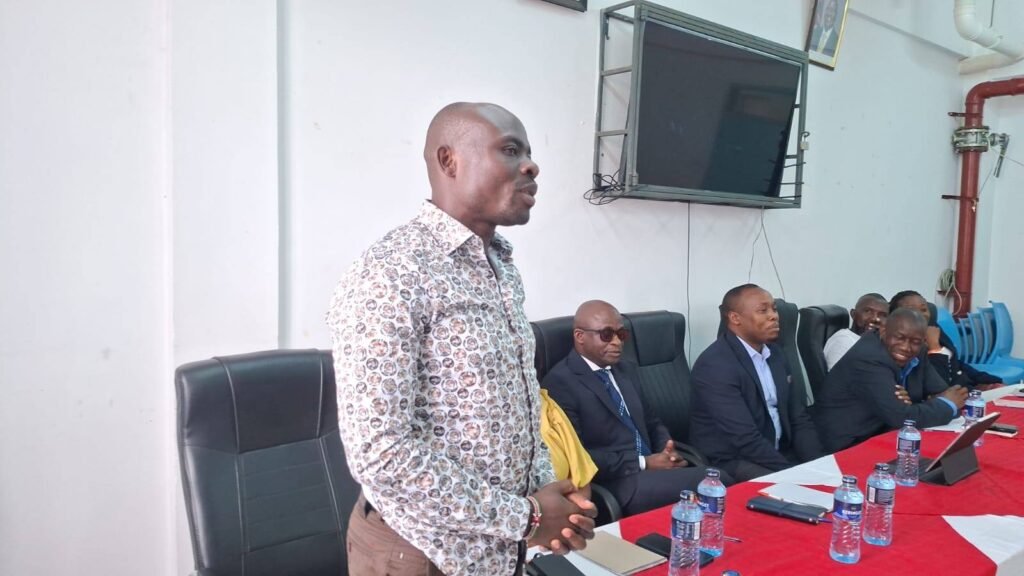
In April 2026, Gaucho reached a new chapter in his journey after being appointed to the board of Mama Lucy Kibaki Hospital in Nairobi.
The appointment, made under a county gazette notice, placed him among officials overseeing one of the busiest Level 5 public hospitals serving over 2 million residents in Eastlands.
While the decision sparked mixed reactions—with critics questioning his qualifications—supporters argue that his lived experience gives him unique insight into the needs of underserved communities.
Responding to the appointment, Gaucho expressed gratitude to President William Ruto and Nairobi Governor Johnson Sakaja, dedicating the opportunity to youth from informal settlements.
A story still unfolding
Today, Gaucho stands as a symbol of transformation—though not without controversy. From a school dropout and gang member to activist, political mobiliser, and public servant, his journey reflects both the challenges and possibilities within Kenya’s urban landscape.
His story continues to spark debate: Is he an example of redemption or a risky political gamble?
What is clear, however, is that Gaucho represents a voice shaped by lived experience—one that resonates deeply in the communities he comes from.


