
Kenyan households and businesses could soon benefit from lower electricity bills following a surge in hydropower generation driven by heavy rains. According to Kenya Electricity Generating Company, water levels across major dams—especially within the Seven Forks system—have risen significantly, allowing for increased electricity production.
Hydropower is one of the cheapest sources of energy on Kenya’s grid. When dams are full, more electricity is generated from water instead of expensive fuel-based thermal plants. This reduces overall production costs, which can eventually translate into lower consumer tariffs.
As of April 28, KenGen reported generating 11.7 million kilowatt-hours—well above its projected 10.95 million. This surplus has eased pressure on the national grid and cut reliance on costly alternatives.
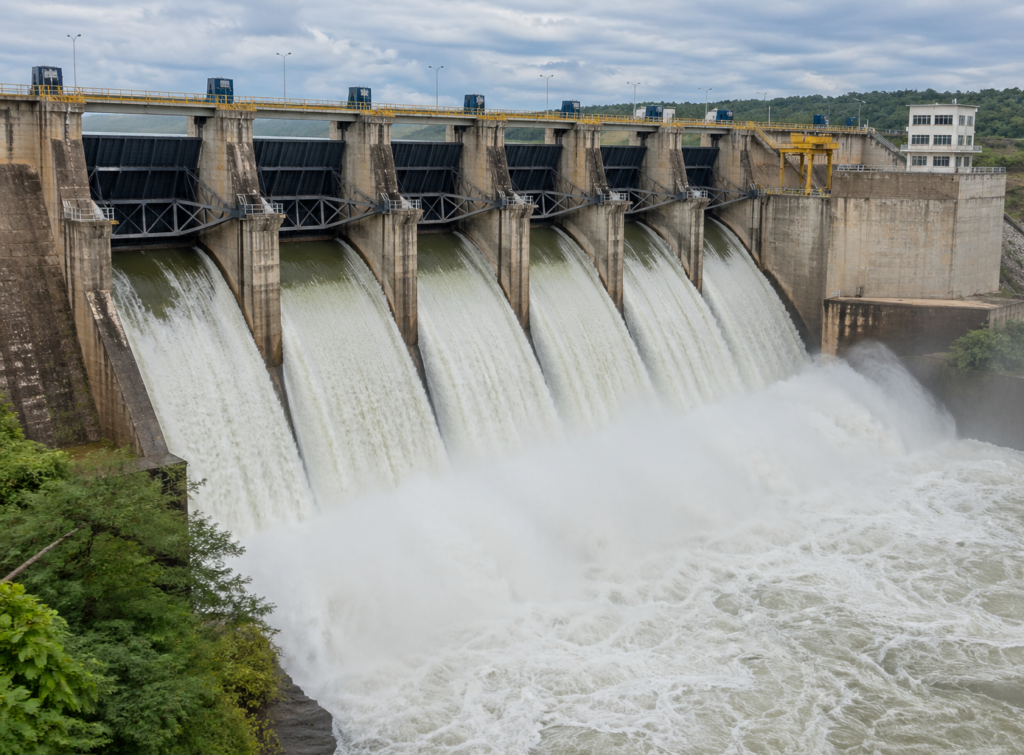
What is happening at the Seven Forks dams?
The Seven Forks dams—Masinga, Kamburu, Gitaru and Kindaruma—are currently operating near optimal levels, with reservoir readings averaging about 99 per cent capacity.
- Masinga: 1,056.54 meters
- Kamburu: 1,006.07 meters
- Gitaru: 923.69 meters
- Kindaruma: 780.28 meters
These high levels mean the dams have enough water to sustain continuous electricity generation without interruption. The Eastern hydro block alone produced about 9.13 million kilowatt-hours, surpassing expectations.
KenGen says this stability ensures a reliable supply of renewable energy while reducing exposure to volatile fuel prices.
How does this affect power bills?
Electricity costs in Kenya are influenced by the mix of energy sources used to generate power. Thermal power—often fueled by diesel—is significantly more expensive than hydropower.
When hydropower production increases:
- Less thermal power is needed
- Fuel costs decrease
- The overall cost of electricity generation drops
This cost reduction can be reflected in lower electricity bills for consumers over time, especially if high water levels are sustained.
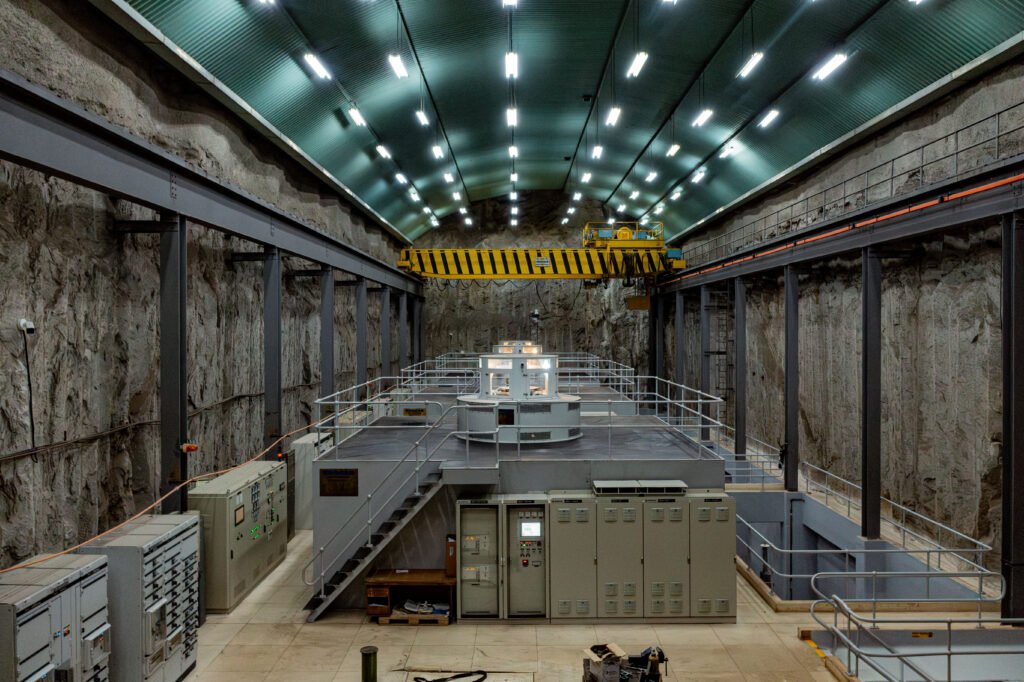
Are there risks of flooding?
With rising dam levels, concerns about flooding—especially downstream—have emerged. However, KenGen maintains that it has a robust water management system in place to regulate water levels safely.
The company emphasizes that high reservoir levels do not automatically mean uncontrolled water release. Instead, controlled discharge ensures dams remain structurally safe while minimizing flood risks.
Communities living downstream are still advised to stay alert, particularly during periods of sustained rainfall.
What does this mean for Kenya’s energy future?
The current situation highlights the importance of renewable energy in stabilizing electricity costs. Hydropower, alongside geothermal and wind, plays a critical role in reducing dependence on fossil fuels.
KenGen says maintaining high hydro output not only lowers costs but also strengthens grid stability and supports Kenya’s transition to clean energy.
If favourable weather conditions continue, Kenya could see a sustained period of affordable and reliable electricity—offering relief to households and boosting industrial productivity.


