


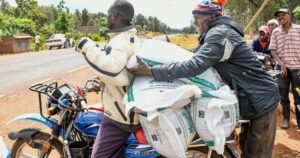
Three years into his presidency, William Ruto has placed agriculture at the centre of Kenya’s economic recovery plan—and the results, by 2025 and 2026 data, point to notable gains across key value chains.
From fertiliser subsidies to irrigation expansion and dairy sector reforms, the government’s interventions are beginning to reshape productivity, farmer incomes, and food security.
Fertiliser Subsidy Boosts Production
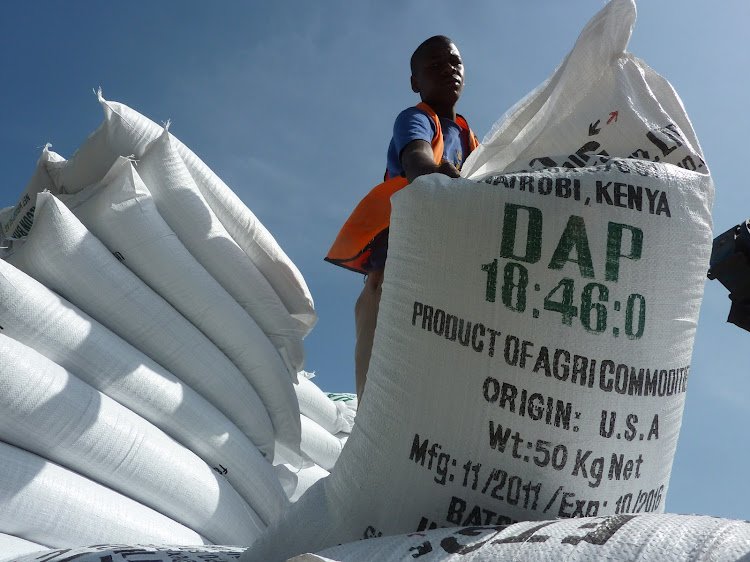
One of the most impactful reforms has been the fertiliser subsidy programme, which saw prices drop from about KSh 6,500 to nearly KSh 2,500 per 50kg bag between 2023 and 2025.
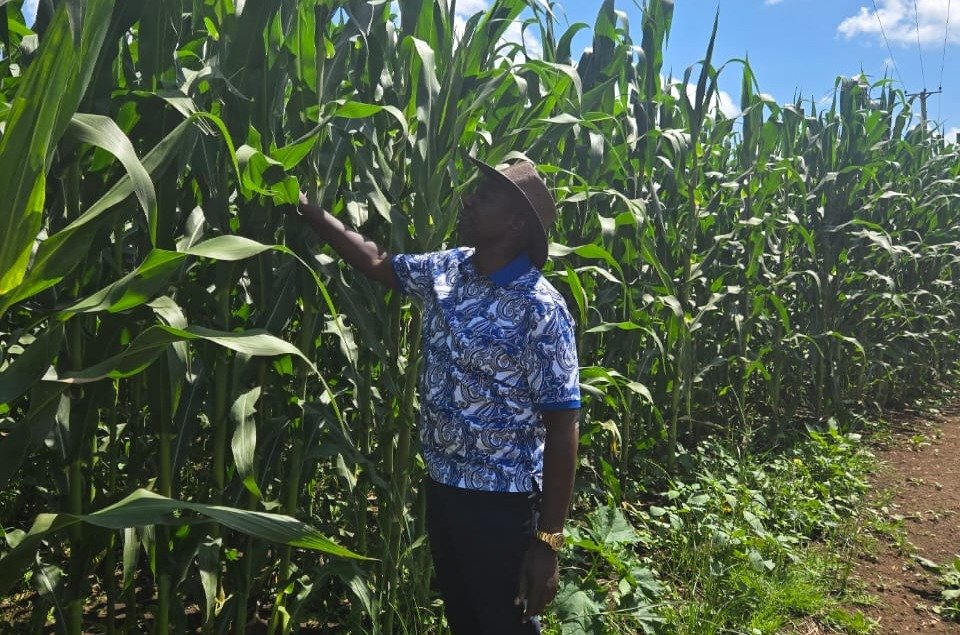
According to Ministry of Agriculture data, Kenya’s maize production rose to approximately 67 million 90kg bags in 2025, up from about 61 million bags in 2022. This represents a steady increase driven largely by improved access to farm inputs.
Wheat production also expanded, reaching over 150,000 metric tonnes in 2025, while rice output increased as irrigation-supported farming gained traction.
The subsidy programme has also expanded reach, with over 5.5 million farmers registered under the government’s e-voucher system by early 2026, improving transparency and accessibility.
Photo/Courtesy
Irrigation Expansion Strengthens Food Security
Irrigation has emerged as a cornerstone of Kenya’s agricultural transformation strategy, particularly in the face of climate change.
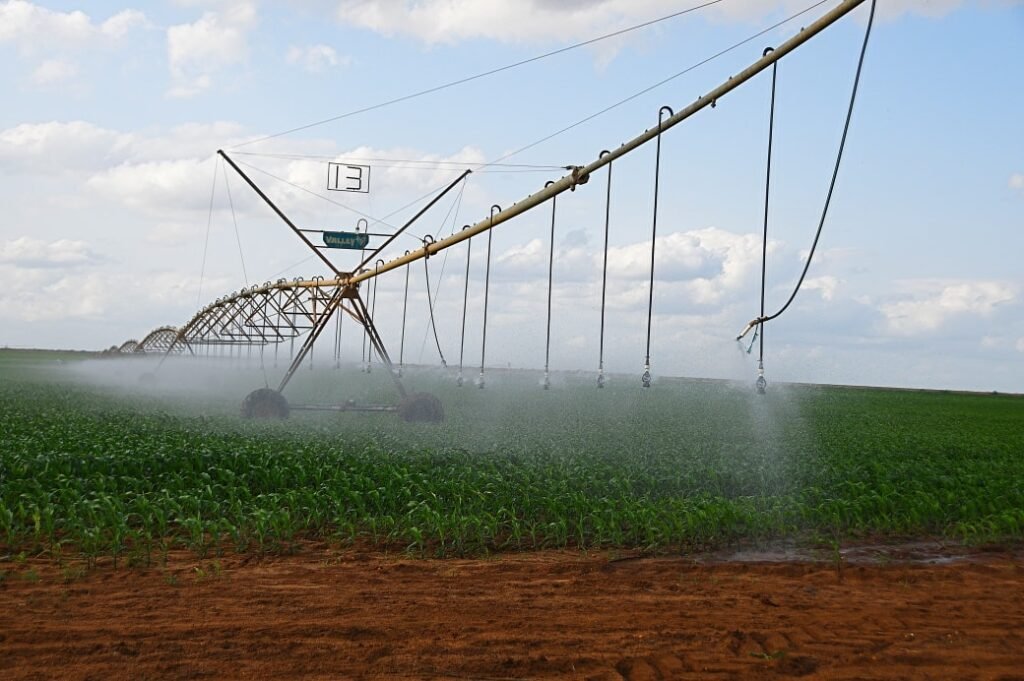
The revival of the Galana-Kulalu Food Security Project has brought over 10,000 acres under cultivation, with plans to scale up to 200,000 acres. Across the country, irrigated land has increased from about 670,000 acres in 2022 to over 735,000 acres by 2025, according to government figures.
This expansion is critical in a country where rainfall variability has historically affected yields. By 2026, irrigation-supported farming is contributing significantly to staple food production, reducing reliance on rain-fed agriculture.
Dairy and Livestock Sector Records Growth
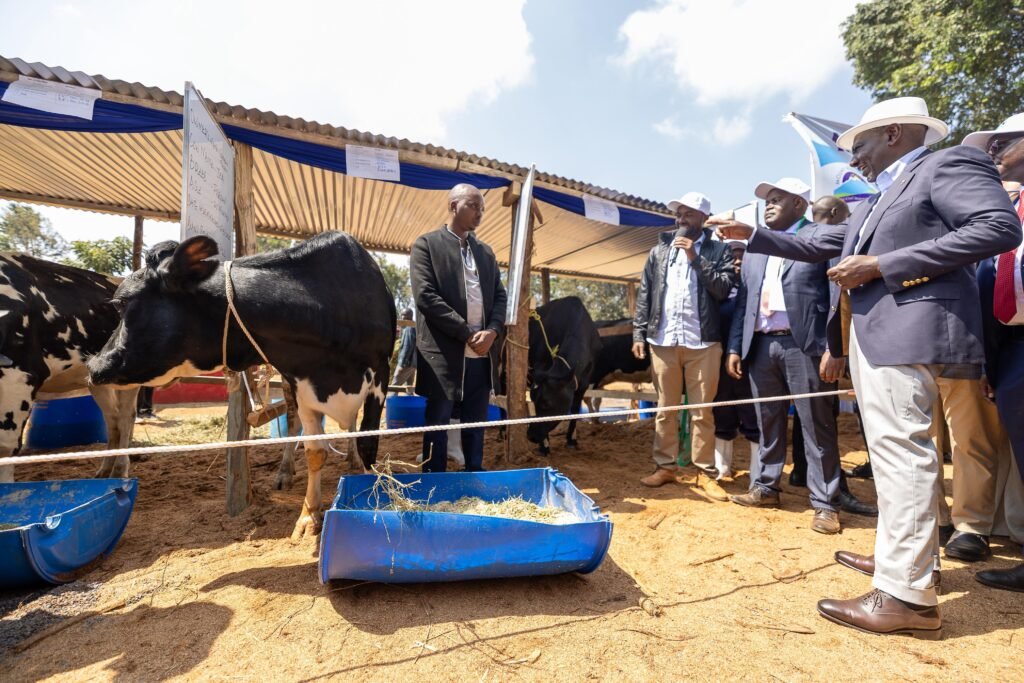
Reforms in the livestock sector have also yielded measurable progress. Kenya’s milk production increased from 5.2 billion litres in 2022 to approximately 6.1 billion litres in 2025, supported by lower feed costs and improved breeding programmes.
The government’s investment in a KSh 400 million semen production facility and tax exemptions on animal feeds has enhanced productivity and improved breed quality.
Additionally, the dairy sector has seen improved farmer earnings due to more stable pricing and cooperative reforms, particularly in counties such as Nyandarua, Uasin Gishu, and Meru.
Digital Platforms and Farmer Inclusion
Technology is playing an increasingly important role in transforming agriculture. By 2026, thousands of farmers are using digital platforms to access subsidised inputs, extension services, and markets.
The government’s digital farmer registry and e-subsidy programme have reduced inefficiencies and improved targeting of support. At the same time, agritech innovations are enabling farmers to connect directly with buyers, cutting out intermediaries and increasing profits.
Youth and women participation has also grown, with government-backed financing programmes supporting agribusiness startups and cooperatives across the country.
Export Growth and Market Expansion
Kenya’s agricultural exports have shown resilience and growth. In 2025, earnings from horticulture—Kenya’s leading agricultural export—surpassed KSh 200 billion, driven by strong demand in European and Middle Eastern markets.
Tea and coffee exports also remained strong, with reforms aimed at improving farmer payments and streamlining value chains beginning to yield results.
A Sector on the Rise
While challenges remain, the data from 2025 and 2026 points to a sector that is steadily gaining momentum. Increased production, expanded irrigation, and improved farmer support systems are laying the groundwork for long-term sustainability.
For many farmers, the changes are already visible in higher yields and improved access to inputs. For the broader economy, agriculture continues to anchor growth, employment, and food security.
As Kenya moves closer to 2027, the transformation of agriculture under William Ruto is increasingly defined not just by policy promises, but by measurable progress on the ground.


