
There is growing conversation about whether solar energy is truly worth it for Kenyan businesses — and this guide breaks down exactly what you need to know, from real costs to government support, so you can make an informed decision.
Where Kenya stands on solar right now
Kenya already gets about 85% of its grid electricity from low-carbon sources like geothermal and hydro. That sounds impressive, but here is the surprising part — utility-scale solar contributes barely 4% of that mix, even though Kenya has an estimated 15 gigawatts of solar potential sitting untapped. Grid-connected solar grew 20% in 2024, reaching around 340 MW of installed capacity. The government wants that number at 600 MW and beyond, with Vision 2030 targeting a fully renewable grid and universal household access.
In November 2024, Kenya launched its Energy Transition Plan, committing to net zero by 2050 and 100% renewable energy by 2060. The direction is clear — solar is central to that future.
What is the payback period for a Kenyan shop or office?
The payback period for a typical Kenyan SME switching to solar is currently between 3 and 5 years, depending on system size, energy consumption, and financing terms. A small shop spending around Ksh 8,000 to Ksh 15,000 monthly on electricity can install a basic solar system for Ksh 150,000 to Ksh 400,000 and recover that investment through savings within that window. After payback, the electricity is essentially free for the remaining 20-plus year lifespan of the panels.
The calculation gets even better when you factor in Kenya Power’s unreliable supply. Businesses that run generators as backup are often spending more on fuel than a solar installation would cost them over two years.
Government incentives you should know about
Kenya has VAT exemptions on solar panels, solar water heaters, and related equipment, meaning you pay no VAT when purchasing these products — a direct cost reduction that many buyers overlook. The Kenya Revenue Authority has maintained this exemption to encourage uptake among households and businesses alike.
On financing, the Kenya Climate Innovation Centre and several commercial banks, including KCB and Equity, offer green energy loans with softer terms for SMEs investing in solar. The government’s hustler-linked credit programmes have also started incorporating clean energy financing. Always confirm current terms directly with your bank, as rates shift.
How to Find a Certified Solar Installer
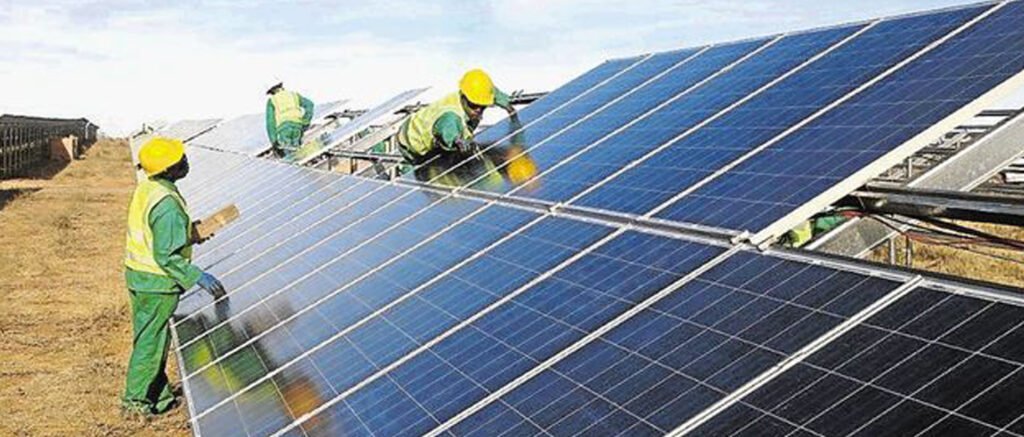
This is where many Kenyans get burned. The market has both genuine professionals and unqualified traders selling substandard panels. The Energy and Petroleum Regulatory Authority (EPRA) maintains an official register of certified solar installers and suppliers in Kenya. You can verify any company or technician through EPRA’s website or by visiting their offices. Always ask to see a contractor’s EPRA certification before signing anything.
Also check whether the products carry the Kenya Bureau of Standards (KEBS) mark. Uncertified panels degrade faster, void warranties, and in some cases create fire hazards. A few minutes of verification can save you hundreds of thousands of shillings.
What This Means for You
If you run a business in Kenya and are still fully dependent on Kenya Power, the honest truth is that solar has become a financially smart move — not just an environmental one. The payback window is realistic, government support exists, and the technology is proven. The key is doing it right: verify your installer through EPRA, confirm your products are KEBS-certified, and explore green financing options before paying cash upfront.
Kenya’s solar transition is happening whether individual businesses join early or late. Joining early just means saving money sooner.


