
Scientists have warned that El Niño conditions could begin developing as early as next month, raising concerns over possible heavy rains and flooding in Kenya.
According to new climate forecasts, the phenomenon is expected to emerge between May and July and could continue into early 2027.
The warning has sparked concern in Kenya, where previous El Niño seasons have caused widespread destruction, displaced thousands of families, and triggered outbreaks of waterborne diseases.
The United States Climate Prediction Center said there is an 82 per cent chance that El Niño will develop between May and July 2026.
“El Niño is likely to emerge soon and continue through Northern Hemisphere winter 2026–27,” the climate centre stated.
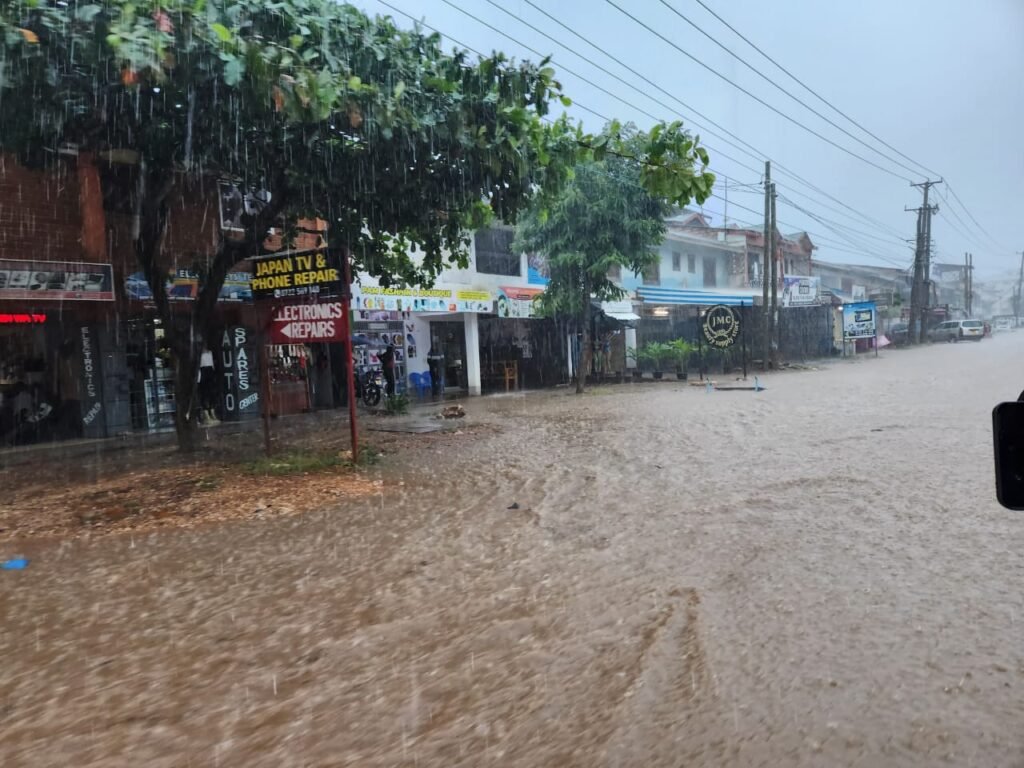
Scientists Predict Potentially Strong El Niño
Climate experts say the developing weather pattern could rank among the strongest El Niño events recorded over the past four decades, although it may not surpass the devastating 1997–1998 and 2015–2016 events.
The World Meteorological Organization (WMO) noted that climate models are increasingly pointing to the onset of El Niño in the coming months.
“After a period of neutral conditions at the start of the year, climate models are now strongly aligned. There is high confidence in the onset of El Niño, followed by further intensification in the months that follow,” said Wilfran Moufouma Okia, Chief of Climate Prediction at the WMO.
Scientists say warming ocean temperatures in the Pacific Ocean are contributing to the development of the climate event, which often alters weather patterns across different parts of the world.
Kenya Faces Risk of Flooding
In Kenya, El Niño is commonly associated with above-normal rainfall, particularly during the October to December short rains season.
Previous El Niño events have caused severe flooding in several parts of the country, destroying roads, bridges, homes, and farms.
The 1997–1998 El Niño remains one of the worst weather disasters in Kenya’s history after floods swept through parts of Nyanza, Coast, North Eastern, and Rift Valley regions.
Thousands of families were displaced, while disease outbreaks including malaria, cholera, and Rift Valley fever were reported in affected areas.
Kenya also experienced significant flooding during the 2015–2016 El Niño season, with counties such as Nairobi, Kisumu, Busia, Narok, Tana River, and Garissa among the hardest hit.
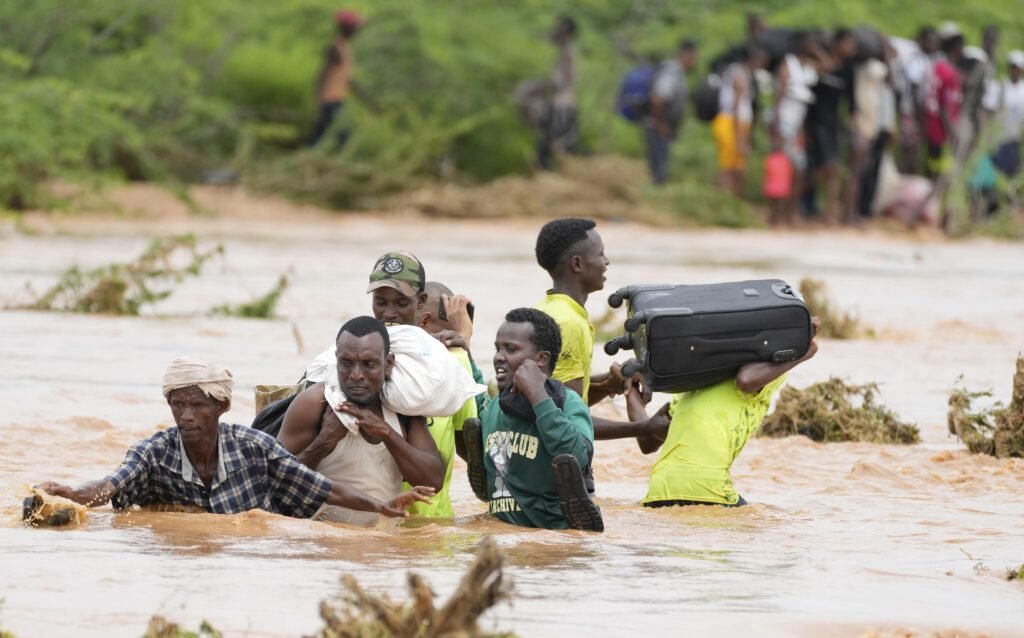
Government Yet to Release El Niño Response Plan
Despite the growing warnings from climate experts, the government is yet to release an official El Niño Response Plan for this year.
Disaster management experts say the early forecasts provide Kenya with time to prepare ahead of the expected heavy rains later in the year.
Experts are urging both national and county governments to strengthen drainage systems, improve flood preparedness, and issue early warning alerts in vulnerable areas.
What Is El Niño?
El Niño is a natural climate pattern that occurs when ocean waters in the central and eastern Pacific Ocean become warmer than normal.
Although the phenomenon develops far from Africa, it affects global weather patterns and often leads to heavy rainfall in parts of East Africa, including Kenya.
Scientists also warn that climate change could make future El Niño events more extreme and unpredictable, increasing the risk of floods, disease outbreaks, crop destruction, and displacement.


