
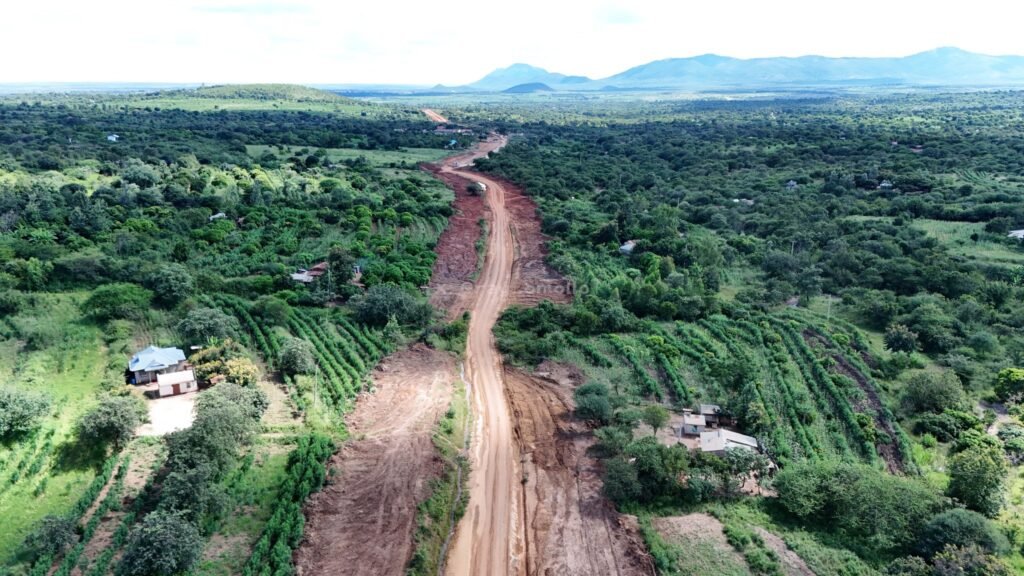
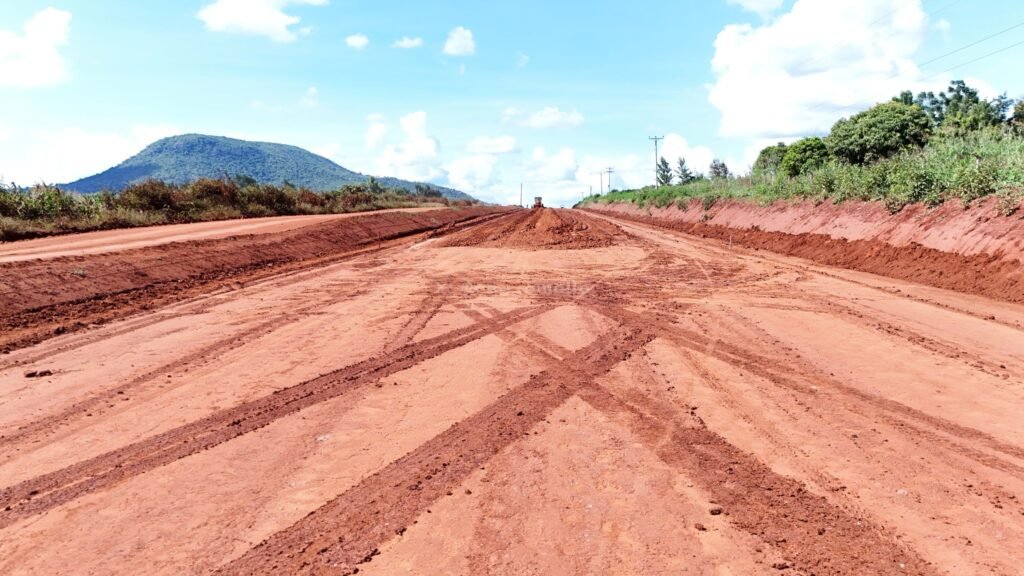
The government has intensified efforts to improve infrastructure in Makueni County through the ongoing upgrade of the Ukia–Emali (B107) Road to bitumen standards.
The project, which residents have awaited for decades, is expected to transform transport, trade, and connectivity across the region once completed.
Local leaders and residents have for years called for the tarmacking of the road, with demands dating back to the 1960s. Successive administrations had promised to upgrade the route, but the plans had remained unfulfilled until the current project was launched.
President William Ruto officially commissioned the road project in November 2025 as part of the government’s wider infrastructure development agenda.
Phase One Underway
The Kenya National Highways Authority (KeNHA) is currently implementing Phase One of the project, covering the 20-kilometre section between Emali and Matiliku.
The broader plan seeks to upgrade the entire 42-kilometre corridor linking Emali, Matiliku, and Ukia, with future connectivity expected to extend to Wote town.
Principal Secretary for Internal Security and National Administration Dr. Raymond Omollo said the road project would play a major role in opening up the region economically and improving the movement of people and goods.
“Upon completion, the road is expected to significantly ease movement of people and goods, while opening up Makueni’s agricultural zones to faster and more reliable access to the Nairobi–Mombasa Highway at Emali,” Omollo said.
Boost for Trade and Agriculture
According to the government, the upgraded road will help farmers and traders access markets more efficiently while reducing transport costs across the region.
The improved corridor is also expected to stimulate local businesses and improve access to essential services including healthcare, education, and administrative services.
Omollo noted that the project would support economic growth by strengthening connectivity between rural production zones and major transport networks.
“The improved corridor is projected to stimulate local trade, reduce transport costs and enhance access to markets and essential services,” he stated.
Government Coordination and Community Engagement
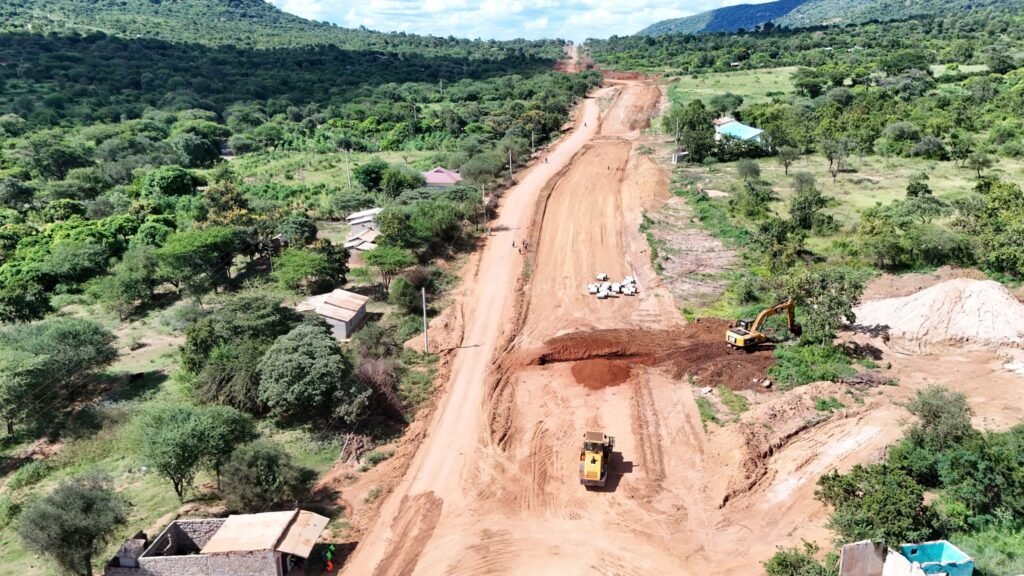
The State Department for Internal Security and National Administration said it continues to support implementation of the project through coordination with National Government Administration Officers (NGAO).
Dr. Omollo said the department was working closely with communities and other stakeholders to ensure smooth implementation, protection of public infrastructure, and promotion of road safety awareness along the corridor.
“The State Department for Internal Security and National Administration continues to play a critical coordination role in supporting implementation through the NGAO framework, particularly in community engagement, protection of public infrastructure and promotion of road safety awareness,” he said.
Residents in the area have welcomed the project, expressing optimism that the road will improve economic activities and end years of transport challenges caused by poor road conditions.


