
Kenya is rolling out a series of reforms aimed at improving healthcare access and service delivery for teachers, following high-level consultations led by Health Cabinet Secretary Aden Duale. The reforms come amid growing concerns from teachers over medical cover efficiency and aim to strengthen trust in the system under the new Social Health Authority (SHA).
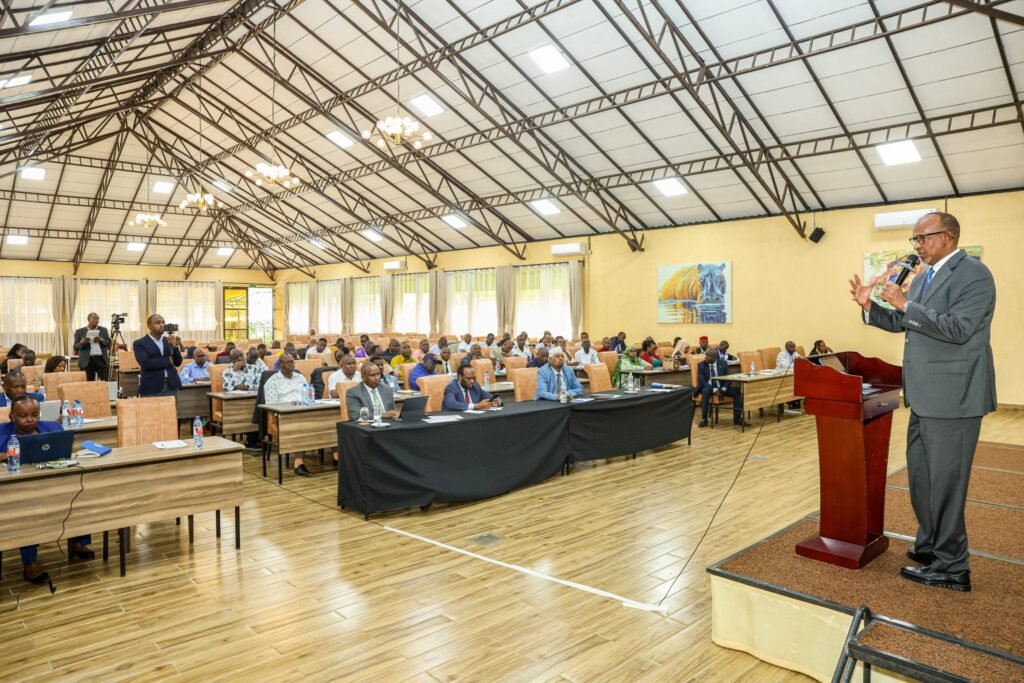
The changes were discussed during a two-day consultative retreat that brought together key stakeholders, including the Kenya Union of Post Primary Education Teachers (KUPPET), the Teachers Service Commission (TSC), and SHA. The meeting focused on evaluating progress since the transition of teachers to the Public Officers Medical Scheme Fund (POMSF).
What the New Reforms Mean for Teachers
One of the most immediate benefits under the reforms is the activation of the Last Expense Benefit. This provision guarantees a payout of KSh 300,000 to families upon the death of a registered teacher.
An initial batch of 160 claims has already been processed and is awaiting disbursement, with the government committing to settle future claims within 48 hours—marking a significant improvement in response time.
In addition, the government has introduced an Ex-Gratia Management Framework to handle special medical cases more efficiently, ensuring teachers facing complex health situations receive timely support.

Expanded Access to Specialized Treatment
The reforms also open the door for teachers to access advanced treatment beyond Kenya’s borders. Partnerships with overseas medical facilities have now been finalised, expanding options under the Mwalimu Comprehensive Medical Cover.
This is expected to ease the burden on local facilities while giving teachers access to specialised care that may not be readily available within the country.
At the same time, teachers living with chronic illnesses will now benefit from a full one-month medication supply, reducing frequent hospital visits and improving continuity of care.
Improving Service Delivery on the Ground
To address long-standing complaints about delays and inefficiencies, SHA has intensified regional engagements to resolve issues at the grassroots level.
The government has also reintroduced the “walk-in, walk-out” service guarantee, aimed at ensuring teachers receive medical attention without unnecessary delays.
Further reforms include the lifting of tariff locking, allowing for more flexible pricing negotiations with healthcare providers. These negotiations are expected to be concluded within four weeks.
Strengthening Emergency and Referral Systems
Looking ahead, the government is preparing to roll out a National Ambulance Service to improve emergency response and referral systems.
Plans are also underway to operationalise referral hospitals in Bungoma, Kericho, and the Coast region. This decentralisation is expected to bring quality healthcare services closer to teachers across the country.
Duale’s Commitment to Better Healthcare
Speaking during the session, Health CS Aden Duale emphasised the government’s commitment to delivering a more responsive and efficient healthcare system for teachers.
“We are strengthening healthcare delivery for our teachers through structured reforms, timely benefits, and expanded access to quality services. Our focus is to build a system that is responsive, efficient, and centered on the needs of our educators,” Duale said.
He added that sustained collaboration between stakeholders will be key to ensuring the success of the reforms and aligning them with Kenya’s Universal Health Coverage agenda.
A Shift Towards Trust and Efficiency
The reforms signal a broader shift in how the government is managing public sector healthcare, particularly for teachers who form a critical part of the workforce.
By addressing delays in claims processing, expanding treatment options, and improving service delivery, the government aims to restore confidence in the system while ensuring teachers receive the care they deserve.


