
President William Ruto has given Kenya an “A” for its performance under the political pillar of Vision 2030, even as he acknowledged that the country’s long-term development blueprint needs to be rethought to reflect changing national and global realities.
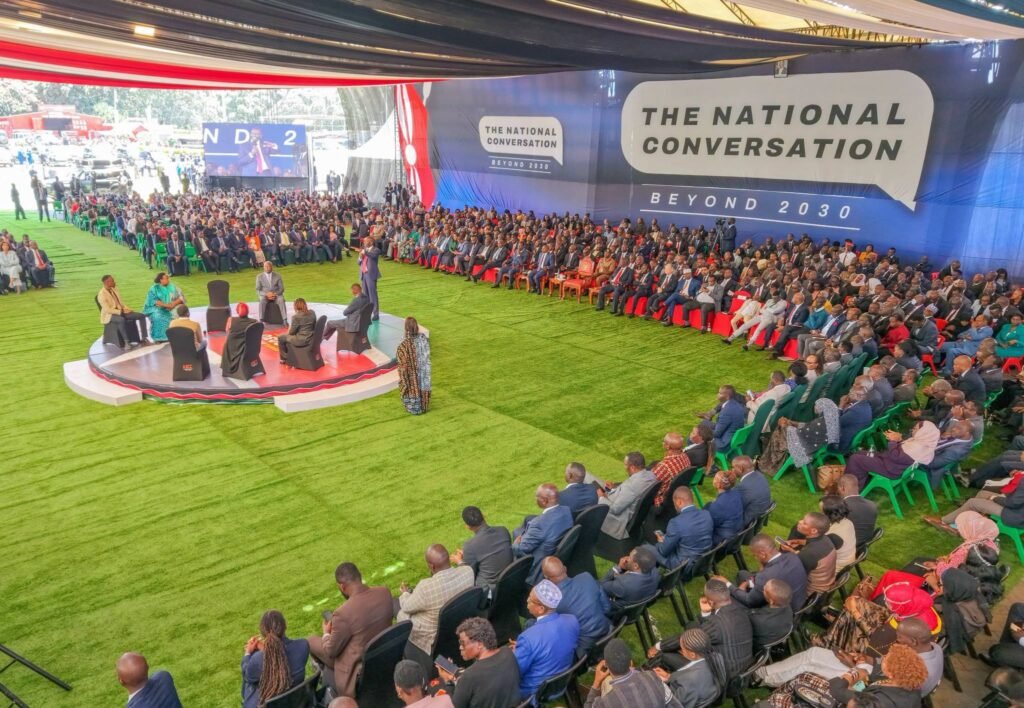
Speaking on Wednesday, August 12, 2026, during the launch of the Beyond 2030 national conversation at the Kenyatta International Convention Centre (KICC), Ruto said Kenya had achieved more than 80 per cent under the political pillar of the development plan.
The President said Vision 2030, launched in 2008, had played an important role in guiding Kenya’s development ambitions, including the goal of transforming the country into an industrialised, middle-income economy with a high quality of life.
Why Ruto says Kenya deserves an A
Ruto said the assessment by the Vision 2030 Secretariat showed significant progress in several areas of the political pillar.
He pointed to the 2010 Constitution, the Bill of Rights, democratic institutions, the judiciary and civil society as some of the areas where Kenya had made notable gains.
“We have done fairly well in many aspects; we have done well in some more than others. We are at 80+, we have an A,” Ruto said.
He added that Kenya’s democratic institutions had earned the country recognition internationally.
“We have a new Constitution, a robust Bill of Rights, a democratic state, an open society, rule of law, and a working judiciary and civil society that is not constrained,” he said.
According to Ruto, these developments demonstrate that Kenya has made considerable progress since Vision 2030 was introduced.
Why Vision 2030 may no longer fit Kenya’s current reality
Despite praising the achievements made under Vision 2030, Ruto said the environment in which the blueprint was created has changed considerably.
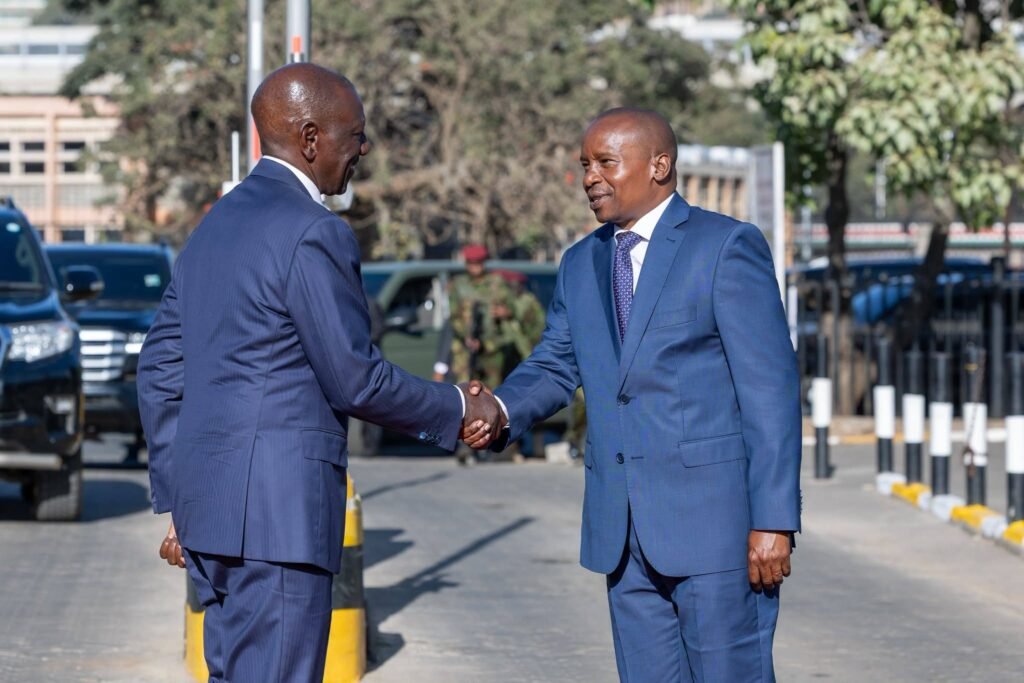
He cited climate change, constitutional reforms and shifts in the global environment as some of the factors that have altered Kenya’s development needs.“We didn’t have the serious effects of climate change the way we have today. We had a completely different situation,” Ruto said.
The President also noted that Vision 2030 was formulated before the promulgation of the 2010 Constitution.
He argued that the current constitutional framework places greater emphasis on public participation and consultation, meaning future national development plans should be developed differently.
The public participation question
Ruto said one of the weaknesses of the original Vision 2030 process was limited public involvement.
According to him, this contributed to many Kenyans failing to understand or connect with the long-term development plan.
He said the Beyond Vision 2030 process is intended to address that gap by giving citizens a greater role in shaping Kenya’s next long-term development agenda.
“The reason why you find in some cases that many people do not understand, do not relate to Vision 2030, was because there was no public participation to the extent that we know public participation as provided for in the constitution at the moment,” Ruto said.
He stressed that consultation should no longer be treated as optional because public participation is anchored in the Constitution.
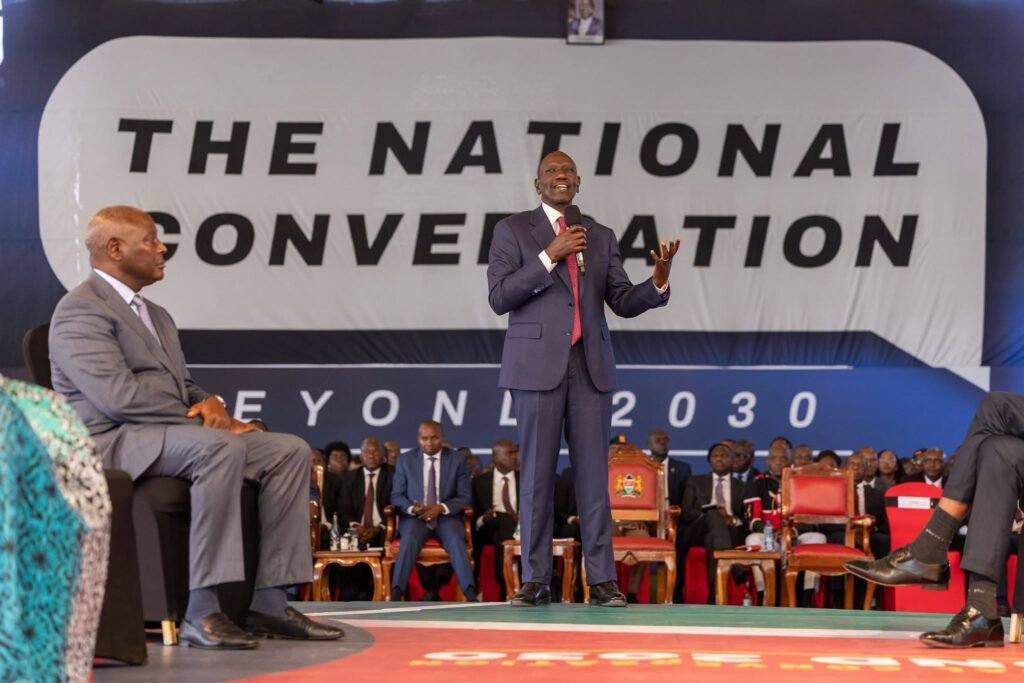
“It is important that we engage in this exercise in the context of a new constitution,” he said.
What Beyond 2030 is expected to do
The Beyond 2030 initiative is expected to provide a framework for developing Kenya’s next long-term national development plan after the current Vision 2030 cycle.
Ruto said the new process should take into account issues that have become more prominent since the original blueprint was created, including climate change and the country’s constitutional and institutional changes.
The exercise is also expected to provide an opportunity for Kenyans to contribute to the priorities that should shape the country’s development in the years ahead.
While Ruto gave the political pillar a score of more than 80 per cent, his remarks suggested that the Beyond 2030 process will not simply extend the existing blueprint.
Instead, the new framework is expected to reflect the realities of a Kenya that has undergone significant political, constitutional, economic and environmental changes since Vision 2030 was launched in 2008.
The national conversation therefore marks the beginning of discussions on what should replace or succeed Vision 2030 and how Kenyans can participate in defining the country’s next development priorities.


