
Kenya’s security agencies have introduced a Long Range Acoustic Device (LRAD)—commonly known as a sound cannon—into their crowd-management arsenal, with the technology making one of its first widely reported public deployments during the June 25, 2026 demonstrations in Nairobi. The move has generated public debate over its effectiveness, health implications and its place in policing public protests.
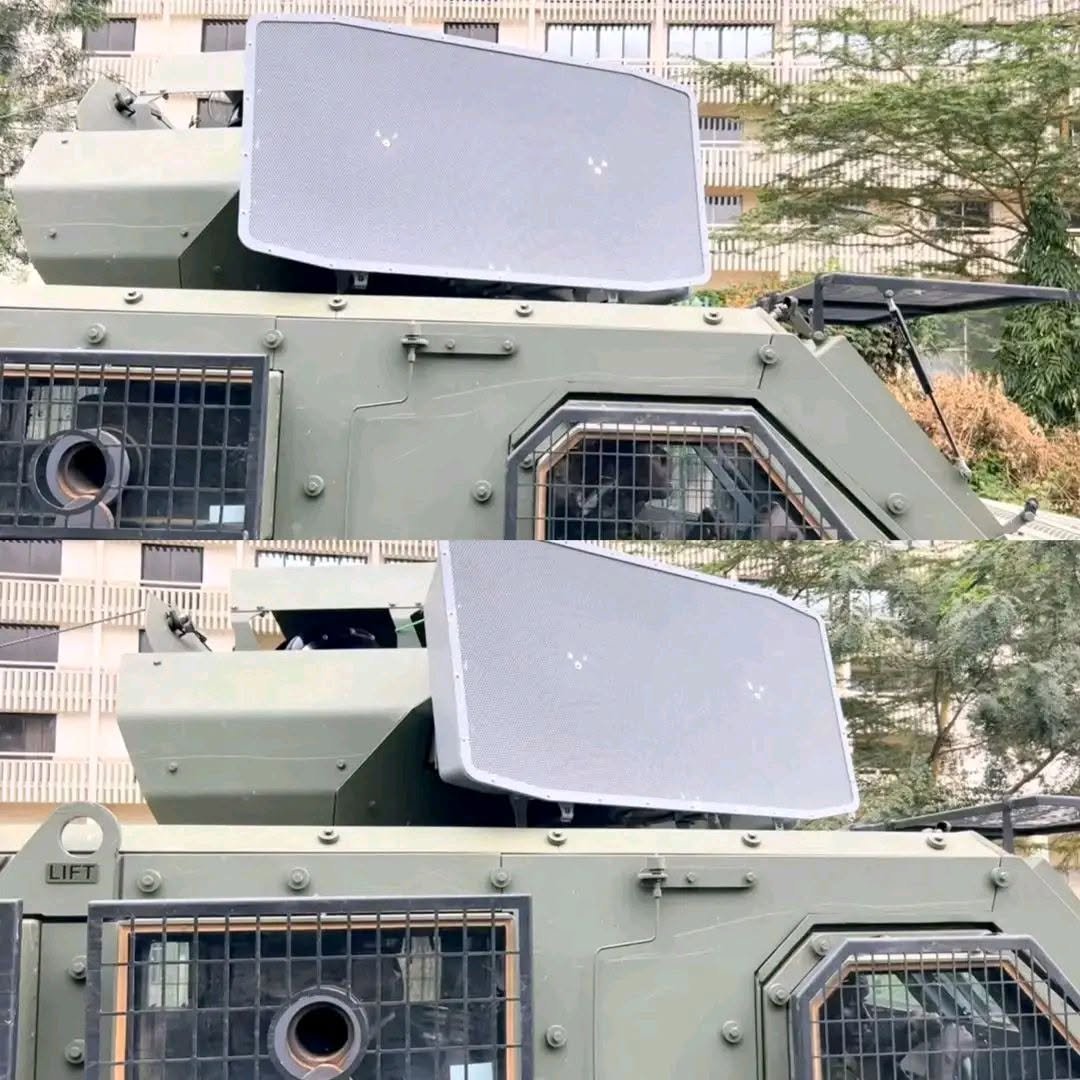
Originally developed for military and maritime security, the LRAD is a highly directional acoustic device that projects sound over long distances in a narrow beam. Unlike conventional loudspeakers, which broadcast sound in every direction, an LRAD focuses sound toward a specific target, allowing security personnel to communicate with large crowds even in noisy environments.
The device serves two primary functions. First, it acts as a powerful public address system, broadcasting clear voice instructions, warnings or evacuation orders over distances that can extend to hundreds of metres or even beyond a kilometre, depending on the model. This enables authorities to issue instructions without physically engaging crowds.
Second, the LRAD can emit an extremely loud, focused warning tone designed to discourage people from approaching restricted areas or to prompt crowds to disperse. The sound does not physically push people away but creates intense discomfort for those directly in its path, often causing them to move away from the affected area.
Experts note that the effects vary depending on distance, exposure time and the device’s output level. People exposed to the warning tone may experience ear pain, ringing in the ears (tinnitus), headaches, dizziness or temporary disorientation. Medical experts and human rights organisations have cautioned that prolonged or close-range exposure at very high volumes could pose a risk of temporary or permanent hearing damage.
Supporters argue that the LRAD provides law enforcement with a non-lethal alternative for crowd management by allowing communication and deterrence before resorting to physical force. Critics, however, maintain that its deployment should be governed by clear operational guidelines to ensure it remains lawful, necessary and proportionate, while safeguarding the constitutional rights of peaceful demonstrators.
With Kenya now joining a growing list of countries using LRAD technology, its future deployment is likely to remain under close public and legal scrutiny as authorities balance public order with the protection of civil liberties.


