



Kenya has taken a major step toward becoming a knowledge-driven industrial economy following the awarding of a charter to the Kenya Advanced Institute of Science and Technology (Kenya-AIST), a flagship institution designed to position the country at the forefront of scientific research, technological innovation and advanced industrial development.
President William Ruto formally granted the charter to Kenya-AIST in May 2026, marking a significant milestone in the government’s efforts to strengthen research capacity and accelerate Kenya’s transition into a high-tech economy.
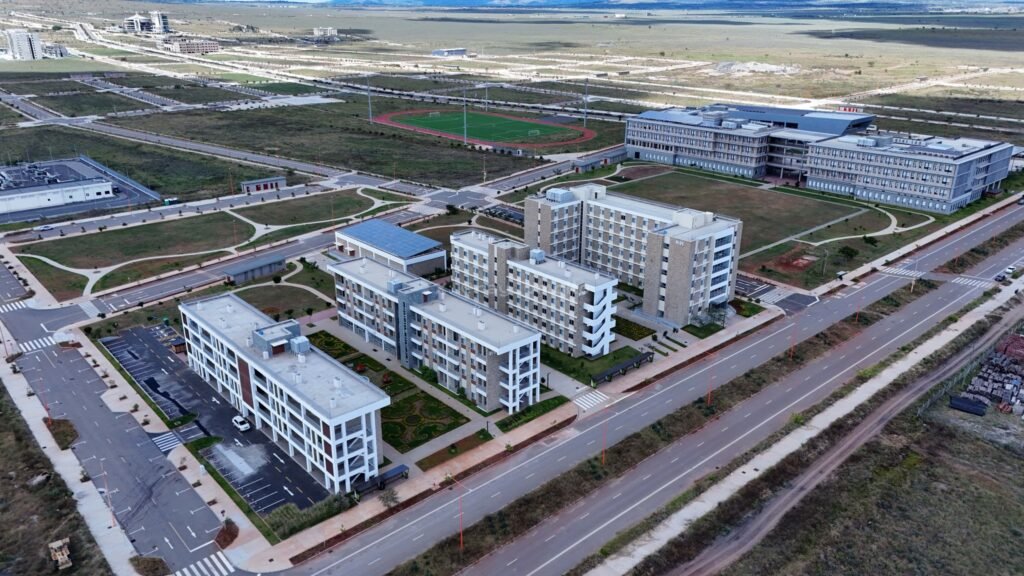
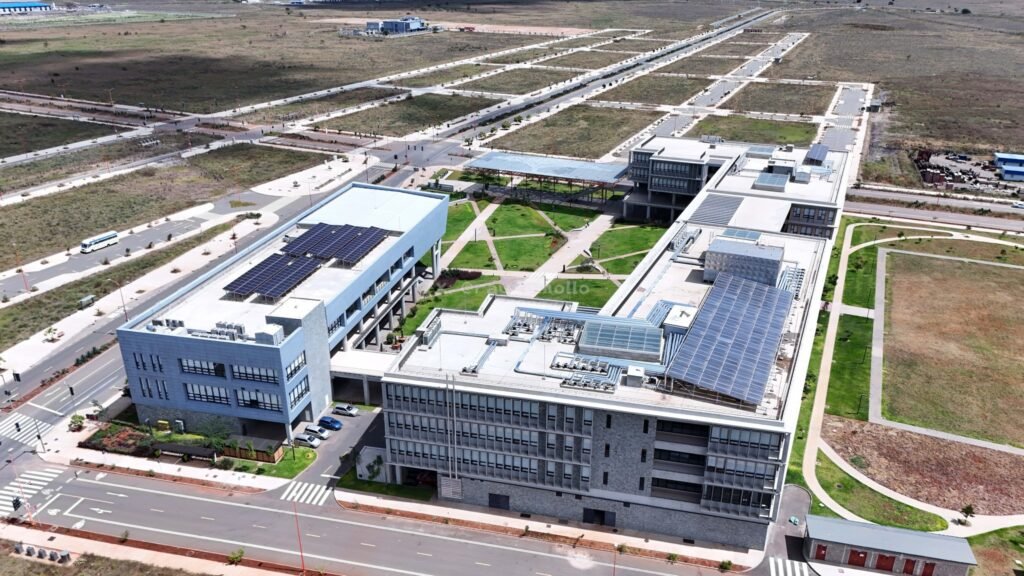
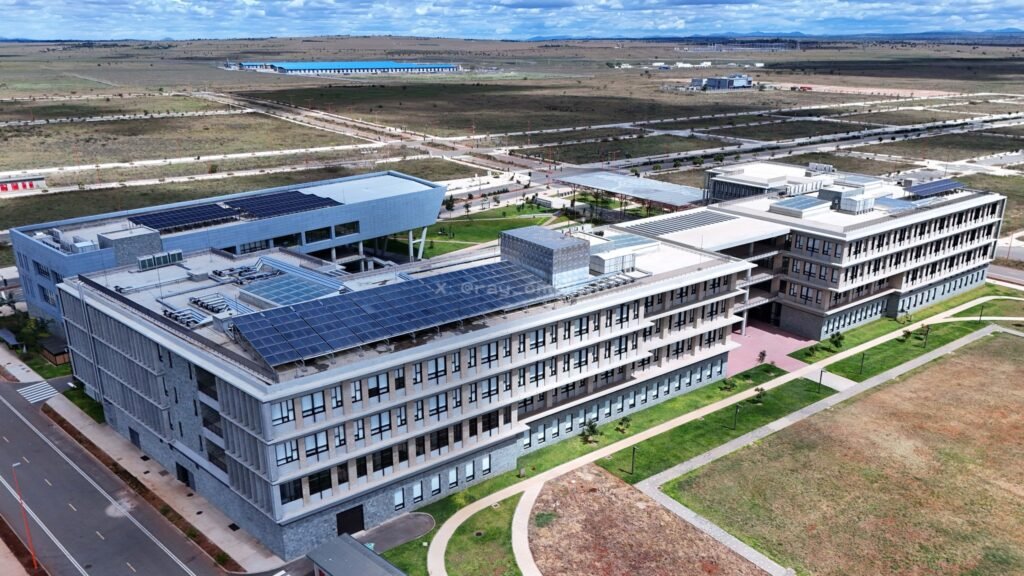
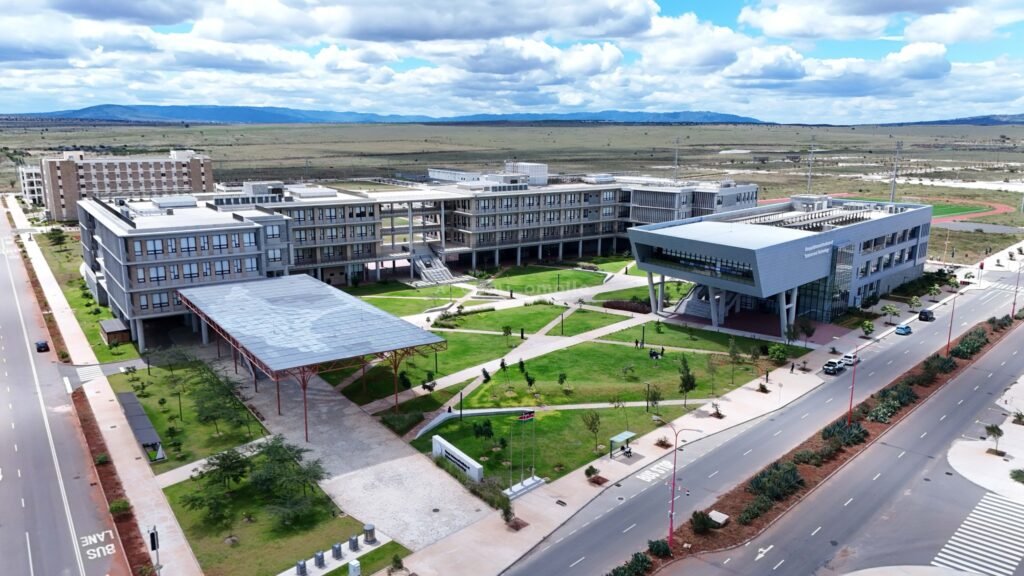
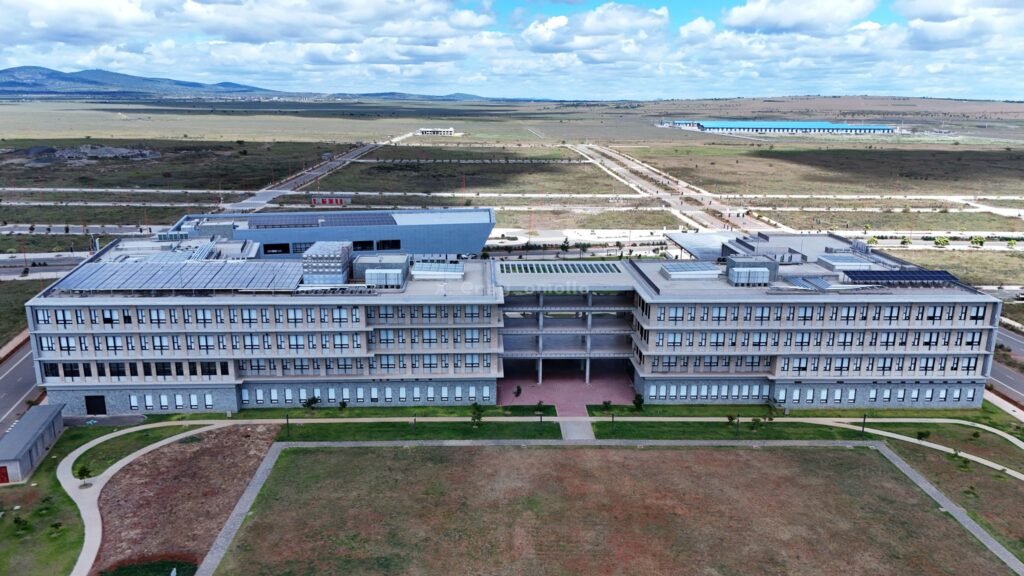
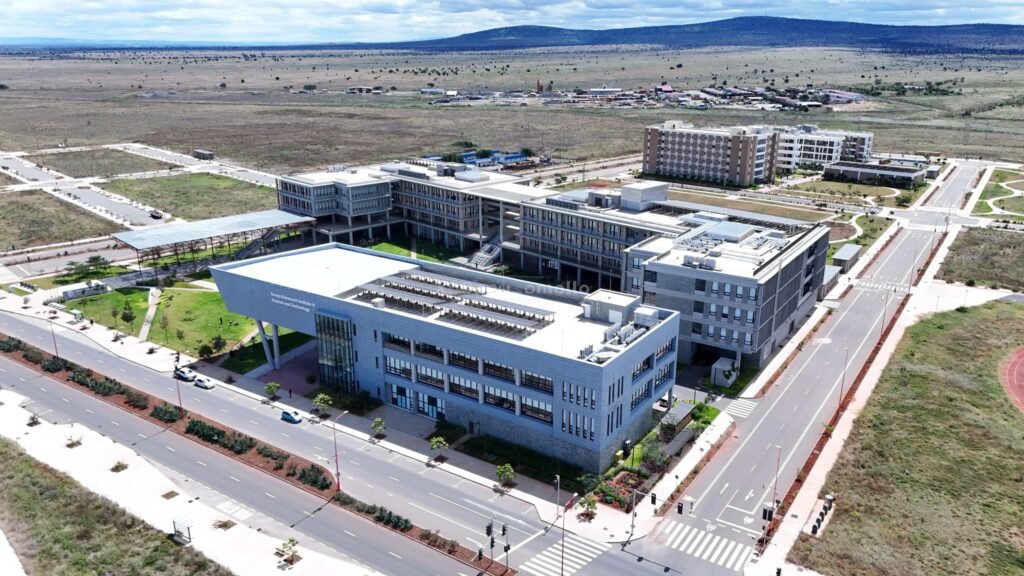
Located within Konza Technopolis, the postgraduate-only institution is modeled after South Korea’s globally acclaimed Korea Advanced Institute of Science and Technology (KAIST), which played a central role in transforming South Korea into one of the world’s leading innovation economies.
Principal Secretary for Internal Security and National Administration Raymond Omollo said the establishment of Kenya-AIST demonstrates the country’s commitment to building a future anchored on science, technology and innovation.
“Kenya-AIST represents a bold investment in our nation’s future. It is designed to cultivate the scientific talent, research excellence and technological capabilities required to drive Kenya’s next phase of economic transformation,” said Omollo.
A University Designed for Advanced Research
Unlike traditional universities, Kenya-AIST has been established exclusively for postgraduate studies, with students benefiting from full scholarships as the institution seeks to attract some of the country’s brightest minds.
The university focuses on seven strategic disciplines considered critical to industrial growth and technological advancement: Mechanical Engineering, Nuclear Engineering, Electrical and Electronics Engineering, Information Technology Engineering, Civil and Environmental Engineering, Chemical Engineering and Agricultural Biotechnology.
The specialized programs are expected to produce highly skilled researchers, engineers and innovators capable of addressing complex national and global challenges.
According to Omollo, the institution reflects Kenya’s determination to compete in an increasingly technology-driven global economy.
“For Kenya to succeed in the Fourth Industrial Revolution, we must invest in advanced research, innovation and specialized skills. Kenya-AIST provides a platform for nurturing exactly that kind of expertise,” he said.
Integrated Into Kenya’s Innovation Ecosystem
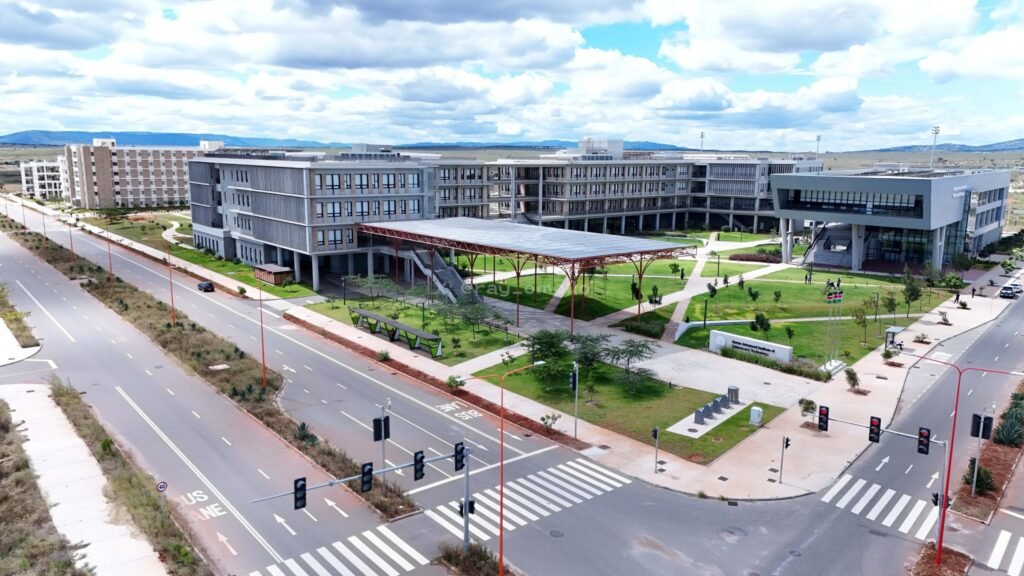
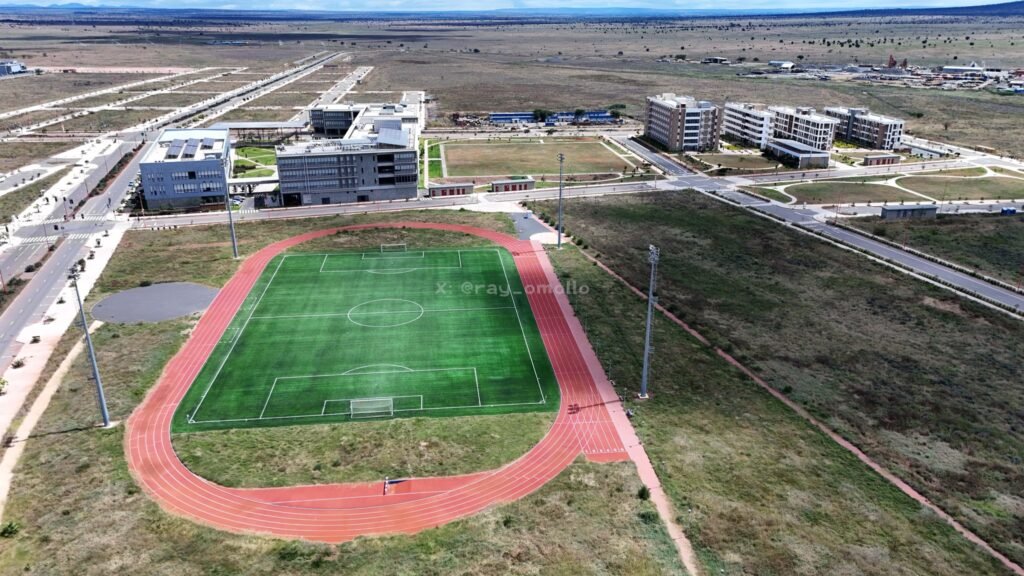
One of Kenya-AIST’s defining features is its integration within the broader Konza Technopolis ecosystem, allowing research activities to be closely linked with industrial production and commercialization.
The institution is located alongside advanced manufacturing facilities, including the Lucky DJX Jeans Export Processing Zone hub and the National Data Centre, creating opportunities for collaboration between researchers and industry players.
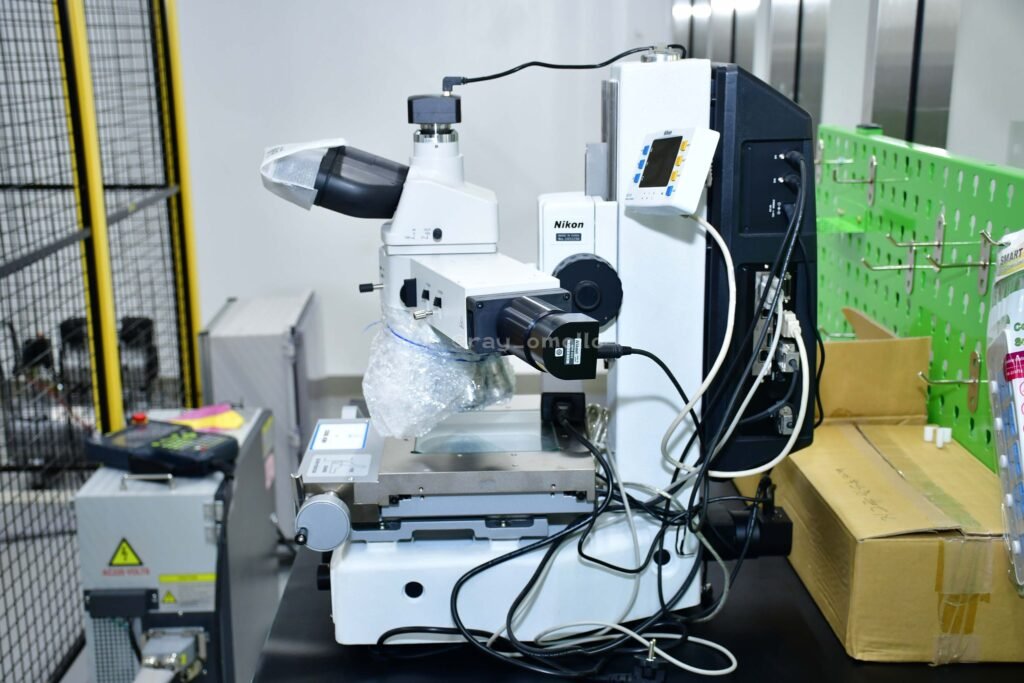
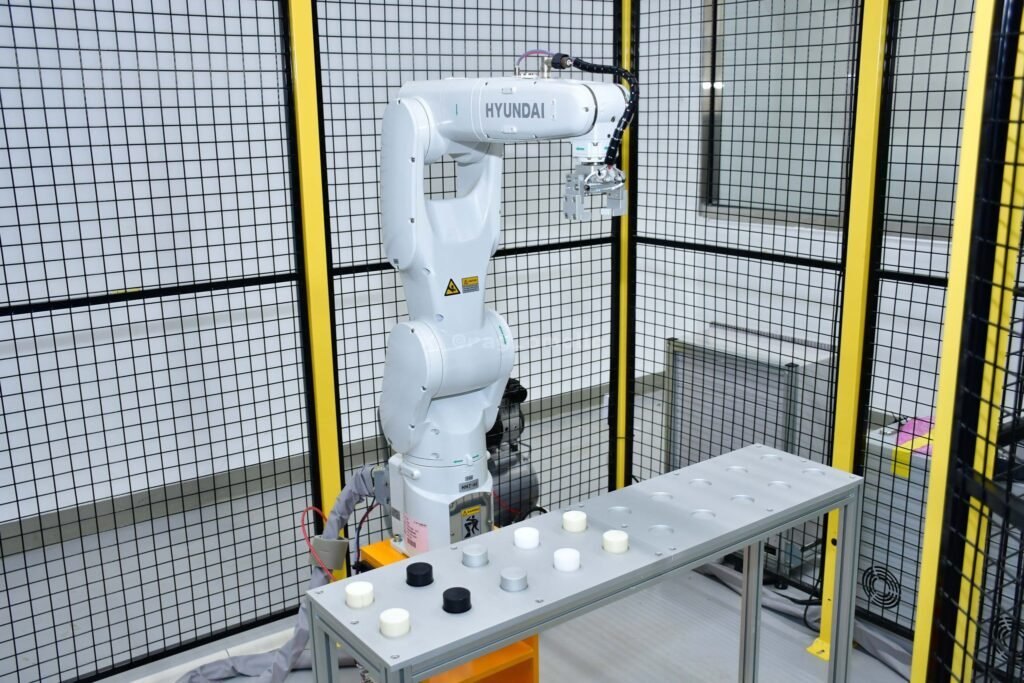
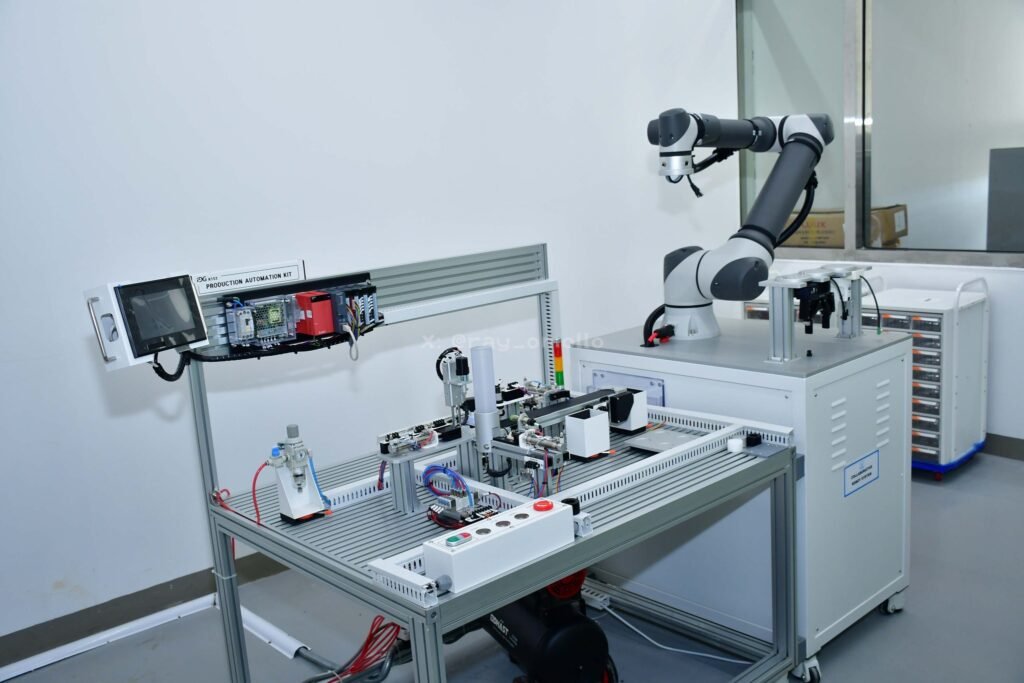
The campus also features a robotics innovation centre, modern laboratories, advanced computing facilities and utility infrastructure designed to support high-level scientific work.
Experts say this “plugged-in” model shortens the distance between research and practical application by allowing prototypes, patents and technological systems to be tested and scaled within nearby industrial facilities.
Omollo said the model is designed to ensure that research outcomes translate directly into economic value.
“We are creating an environment where ideas can move seamlessly from the laboratory to industry. That is how innovation ecosystems succeed globally, and that is the direction Kenya is taking,” he said.
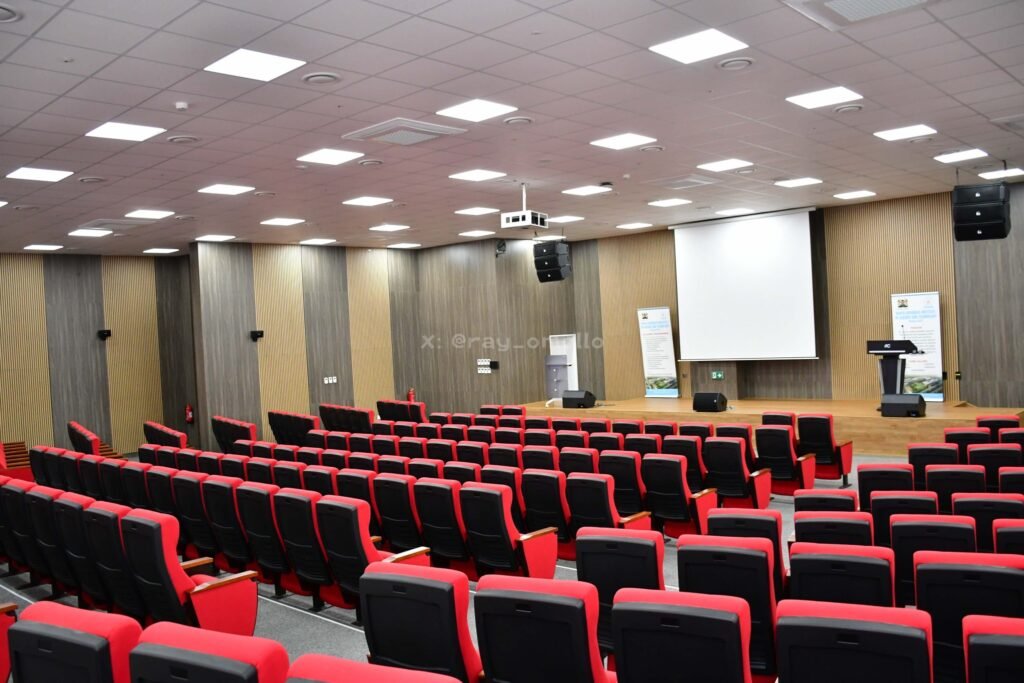
Built for High-Tech Performance
Kenya-AIST has been equipped with infrastructure designed to support uninterrupted research and advanced computing operations.
The institution benefits from Konza’s robust 2N+1 power architecture and a 200kVA backup power system, ensuring reliability for sensitive laboratory experiments and digital research projects.
Sustainable water systems, including potable water supply networks, rainwater harvesting and water reclamation facilities, have also been incorporated into the campus design.
Residential hostels for both single and married postgraduate students further reinforce the institution’s objective of creating a world-class research environment.
The infrastructure, according to experts, positions Kenya-AIST among the most advanced higher education facilities in Africa.
Security as a Strategic Enabler
As Kenya seeks to build a globally competitive innovation ecosystem, government agencies are also focusing on protecting critical research infrastructure and intellectual property.
The State Department for Internal Security and National Administration plays a key role in safeguarding the institution, supporting secure movement of sensitive research materials and coordinating the protection of critical national assets within Konza Technopolis.
Omollo emphasized that innovation and security must go hand in hand.
“Research institutions developing advanced technologies require a secure environment in which innovation can flourish. Our role is to ensure that researchers, data systems and critical infrastructure are protected as Kenya advances its scientific capabilities,” he said.
He added that securing strategic innovation assets is increasingly important as countries compete for technological leadership in areas such as artificial intelligence, advanced manufacturing, biotechnology and digital infrastructure.
Positioning Kenya for the Future
The establishment of Kenya-AIST comes as Kenya seeks to strengthen its position as a regional leader in technology, research and innovation.
Analysts view the institution as a long-term investment capable of supporting industrialization, creating high-value jobs and reducing dependence on imported technologies.
For a country seeking to accelerate economic growth through innovation, Kenya-AIST represents more than a new university. It is a statement of intent.
“Countries that have transformed their economies through science and technology made deliberate investments in research institutions and human capital. Kenya-AIST reflects that same ambition for our nation,” said Omollo.
As the first cohort of postgraduate researchers prepares to begin its academic journey, expectations are high that the institution will play a pivotal role in shaping Kenya’s future as a knowledge-based economy.


