
Kenya’s environment and natural resources sector registered notable growth in 2025, increasing its contribution to the country’s Gross Domestic Product (GDP) to 4.3 percent, up from 3.9 percent in 2024.
According to the Economic Survey 2026 released by the Kenya National Bureau of Statistics (KNBS), the sector has shown consistent expansion over the past five years, reflecting increased activity in forestry, fisheries, mining, and water supply.
The total value contribution rose significantly from Sh435.1 billion in 2021 to Sh759.3 billion in 2025, underscoring the sector’s growing role in Kenya’s economic structure.
Forestry and Logging Drive Growth
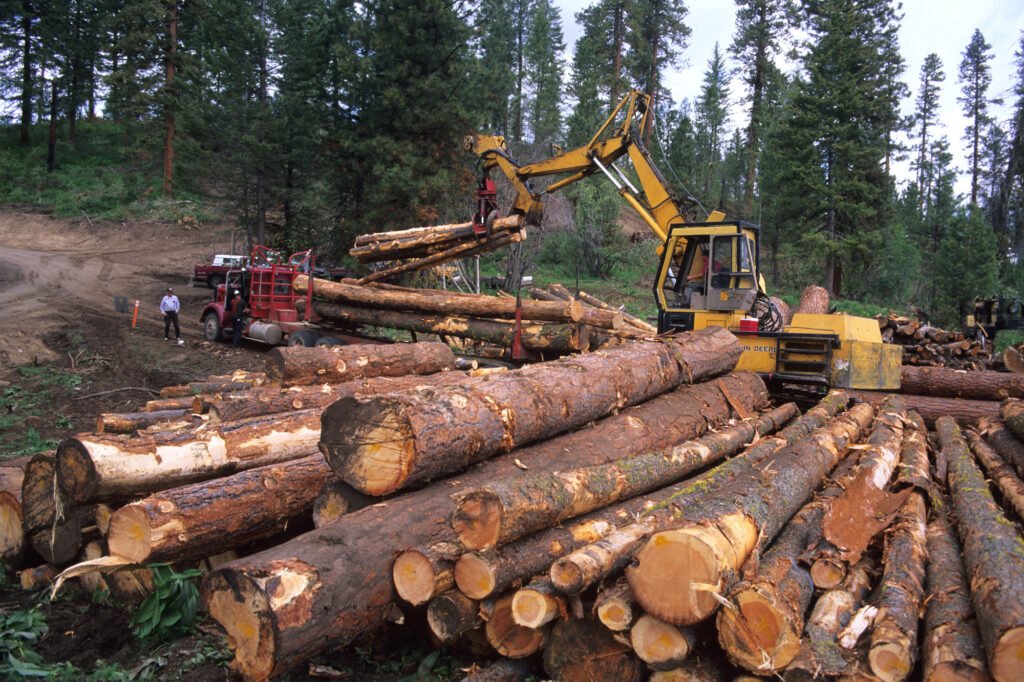
Forestry and logging emerged as key drivers of growth within the sector, recording steady increases over the years.
The subsector contributed Sh199 billion in 2021, rising sharply to Sh396.7 billion in 2025—almost doubling in value within five years.
This growth is attributed to increased demand for timber products, improved forest management, and ongoing afforestation efforts across the country.
Fisheries, Mining Also Expand
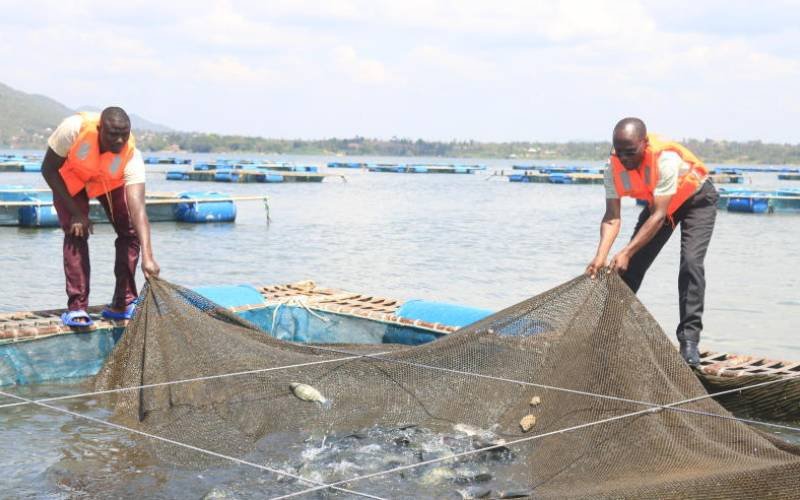
The survey highlights strong performance in fisheries and aquaculture, with contributions increasing from Sh80.7 billion in 2021 to Sh146.1 billion in 2025.
Similarly, mining and quarrying posted growth despite fluctuations, rising to Sh141.7 billion in 2025 compared to Sh92 billion in 2021.
Water supply also maintained steady gains, contributing Sh74.8 billion in 2025, reflecting ongoing investments in water infrastructure and services.
Forest Cover and Environmental Gains
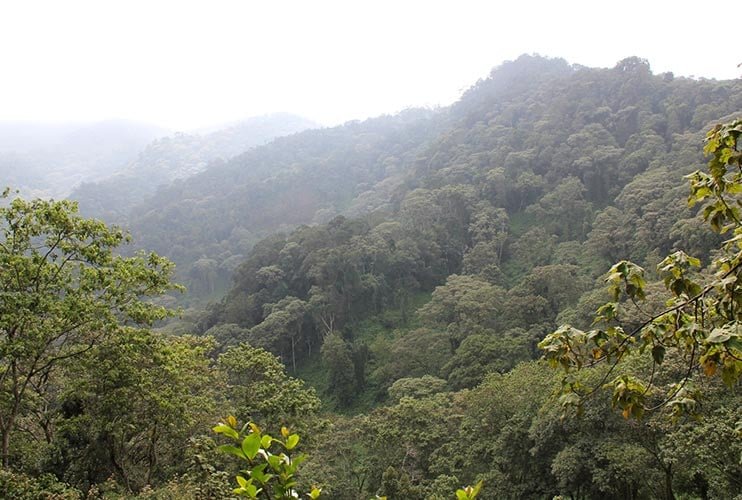
Kenya continues to make progress in environmental conservation, with forest cover rising from 5.9 percent in 2018 to 8.83 percent in 2021.
National tree cover now stands at 12.13 percent, surpassing the constitutional requirement of 10 percent.
The country’s total forest area is estimated at over 5.2 million hectares, representing a significant portion of land dedicated to environmental sustainability.
Data from the National Forest Resources Assessment shows that 37 out of 47 counties have exceeded the 10 percent tree cover threshold.
Nyeri leads with 45.17 percent tree cover, followed by Lamu (44.06 percent) and Vihiga (35.92 percent), while counties such as Marsabit, Mandera, and Wajir remain below the target.
Wildlife and Fisheries Indicators
The survey also provides insights into Kenya’s biodiversity, indicating that the country hosts approximately 42,072 elephants, 2,512 lions, and 1,059 black rhinos.
Fish production also increased, with freshwater fish output rising to 125,374.6 tonnes in 2025 from 119,816 tonnes in 2024. Marine fish production similarly grew to 63,776 tonnes.
Outlook for 2026
The Economic Survey projects continued growth in the natural resources sector, supported by conservation efforts, climate resilience strategies, and sustainable resource management.
Experts say the sector’s expansion not only boosts GDP but also strengthens livelihoods, supports food security, and enhances Kenya’s climate change response.


