
President William Ruto has announced a revised completion timeline for the Rironi-Mau Summit Expressway, saying the major road project is progressing faster than initially expected.
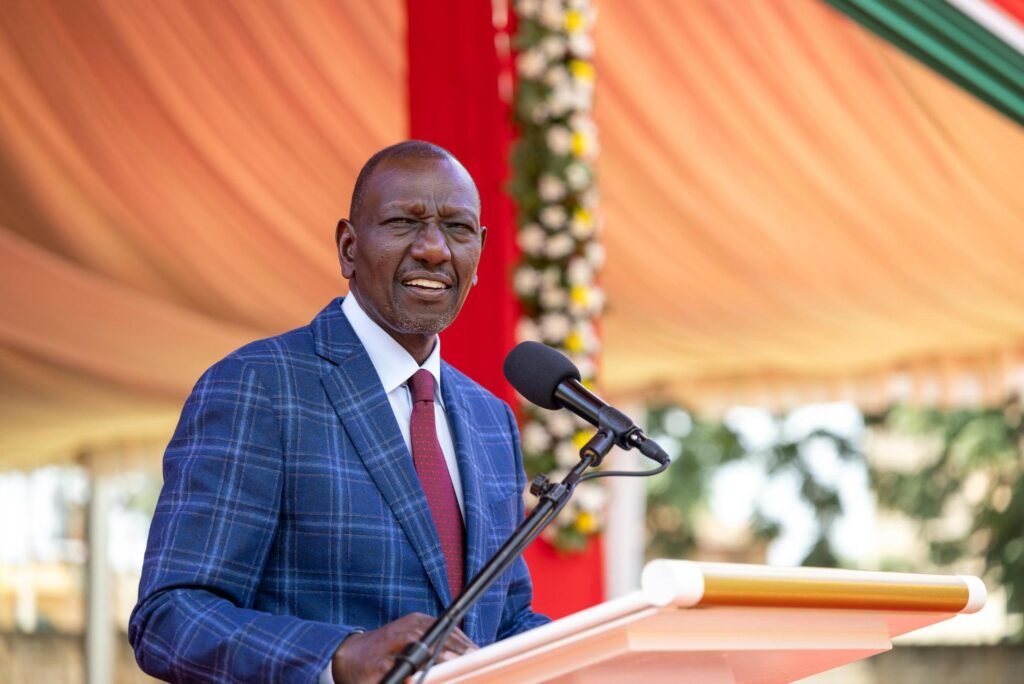
Speaking during the 70th anniversary celebrations at Thika High School on Friday, the President said sections of the highway would be completed earlier than planned due to the accelerated pace of construction works.
Rironi-Naivasha Section Nearing Completion
According to the Head of State, the Rironi-Naivasha section is expected to be completed by August this year, offering relief to thousands of motorists who regularly experience heavy traffic congestion along the busy corridor.
“The dualling of the Rironi-Mau Summit road is moving at a very fast pace. By April next year, the road will be complete, but first, by August this year, the section between Rironi and Naivasha will already be done,” Ruto said.
The announcement effectively shortens the earlier projected timeline, which had placed completion of key phases around the middle of 2027.
The 175-kilometre highway is among Kenya’s largest road infrastructure projects and is being implemented under a Public-Private Partnership (PPP) model.
Thika Expressway to Launch in October
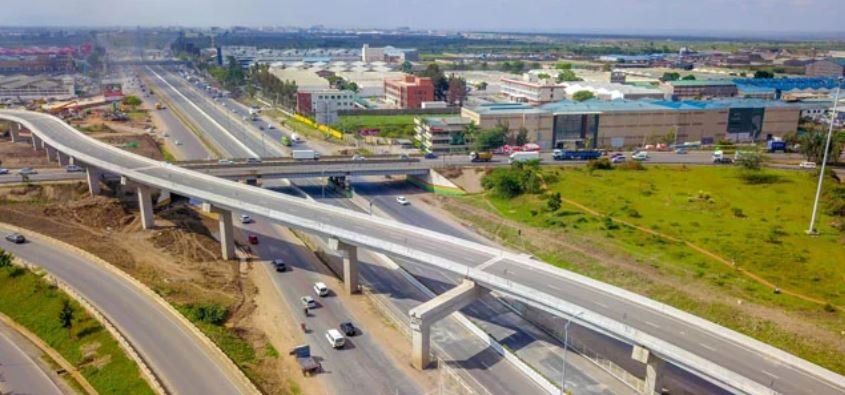
President Ruto also revealed that plans for the proposed Thika Road Expressway are at an advanced stage, with design works nearly complete.
He said construction and expansion works on the Nairobi-Thika highway corridor are expected to officially begin in October.
The project is aimed at easing congestion and improving transport connectivity between Nairobi and surrounding towns including Thika.
Concerns Over Pace of Construction
The President’s remarks come amid growing public concern over the visible pace of works on the Rironi-Mau Summit highway, with some Kenyans questioning why large sections of the road had not yet been tarmacked months after construction began.
However, the Directorate of Public-Private Partnerships defended the progress of the project, explaining that the current phase focuses on foundational engineering works rather than asphalt surfacing.
PPP Director General Kefa Seda said road construction follows a structured sequence designed to ensure safety and durability.
Why Tarmacking Has Delayed
According to Seda, engineers are currently concentrating on critical groundwork including drainage systems, culvert installation, bridge construction, soil stabilisation and subgrade preparation before the final bituminous surfacing can begin.
He noted that asphalt laying is usually the final stage of highway construction after all structural works have been completed.
The government maintains that the expressway project will significantly reduce travel time, improve road safety and boost trade along the Northern Corridor once complete.


