
Nairobi’s 2027 gubernatorial race is already taking shape, with Governor Johnson Sakaja preparing to defend his position against a growing field of politicians seeking to take charge of Kenya’s capital.
The contest has attracted serving MPs, former national government officials, business figures and political leaders, with candidates putting forward different messages on how they would manage the county.
Sakaja has made clear that he intends to seek a second term. Speaking in August, he said he would return to voters to present his record and manifesto, describing a second victory as an opportunity to make history as Nairobi’s first governor to serve two consecutive terms.
But the incumbent is facing several declared challengers, including Embakasi East MP Babu Owino, Kasarani MP Ronald Karauri, former Cabinet Secretary Moses Kuria, Embakasi North MP James Gakuya, former Starehe MP Bishop Margaret Wanjiru, Jubilee official Pauline Njoroge and journalist and political analyst Tony Gachoka.
The final field will depend on party nominations, alliances and any further political realignments before the 2027 election.
Johnson Sakaja and the fight for a second term
Sakaja entered City Hall in 2022 after defeating incumbent governor Anne Kananu in a closely watched contest.
Four years later, he is positioning his administration’s record and continuity as central to his re-election campaign.
In an August interview, Sakaja said he intended to return to Nairobi residents with his manifesto and account for his performance.
“I will be back to Nairobi residents with humility, present my manifesto and account for what I have done and plead with them. I will make history as the first governor to be re-elected for a second term.”
His political positioning, however, remains an important part of the race.
ODM has publicly urged him to join the party if he wants its backing in 2027. ODM director of elections Junet Mohamed said the party intends to field its own candidate for Nairobi if Sakaja remains in UDA.
That leaves the question of the eventual party arrangements around the incumbent as one of the issues to watch as the election approaches.
Babu Owino brings an established Nairobi base
Embakasi East MP Babu Owino has been one of the most vocal challengers to Sakaja.
He has repeatedly confirmed his intention to contest for governor and, in May, said he would pursue the seat through the Linda Mwananchi movement rather than relying on an ODM ticket.
Babu has also framed his gubernatorial ambition as part of a longer political plan.
In August, he said he intended to serve one term as Nairobi governor before pursuing the presidency in 2032.
“In 2032, we go for the president. Whoever we are going to put as Linda Mwananchi, I will serve one term. That is how it is,” Owino said.
His Nairobi message has also focused heavily on service delivery.
In September, he proposed changes to garbage collection, drainage and the county’s school feeding programme, while criticising the administration’s preparedness for heavy rains.
Babu has also moved to establish a political vehicle for the 2027 contest. Recent reporting says he unveiled The Mwananchi Party, while maintaining his association with the wider Linda Mwananchi movement.
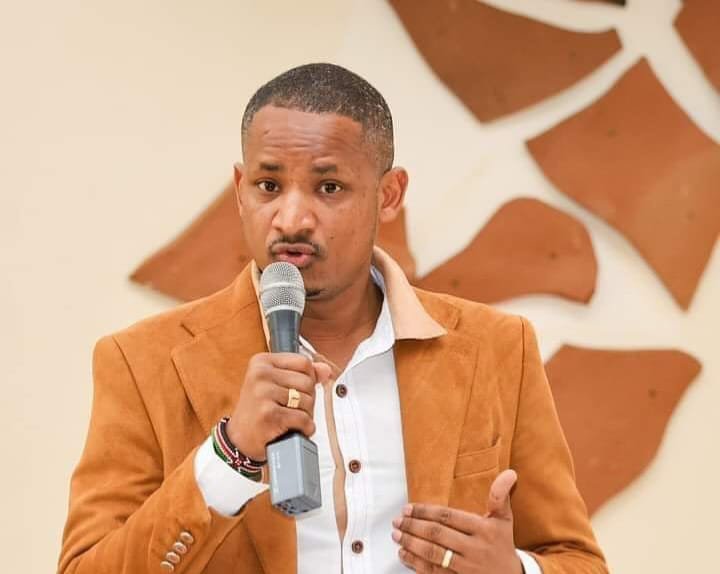
Embakasi East MP Babu Owino
Ronald Karauri enters the contest
Kasarani MP Ronald Karauri is another declared challenger.
The former Kenya Airways pilot and SportPesa chief executive announced his Nairobi gubernatorial bid in February, telling residents in Kasarani that he would be on the ballot in 2027.
Karauri has linked his candidacy to what he describes as leadership and service-delivery problems in Nairobi.
“Leadership is the main problem in Nairobi. With the backing of the people of Kasarani, I have decided to go for the Nairobi gubernatorial seat,” he said.
He has identified issues including garbage collection, county roads and water supply as areas requiring attention.
His entry gives the race another candidate with an established constituency base in one of Nairobi’s densely populated areas.
Moses Kuria wants to “fix” City Hall
Former Cabinet Secretary Moses Kuria declared his interest in the Nairobi governor’s position in 2025, presenting himself as a candidate who could overhaul the management of the capital.
His announcement was delivered in characteristically direct language.
“Nairobi cannot continue to be the City of filth, garbage, and incompetence. I have heard your cry. That is why I will offer myself to be the Governor of the great County of Nairobi in 2027. I will fix Nairobi.”
Kuria has since remained part of the field of politicians associated with the Nairobi race.
His earlier attempt to build a political partnership with Makadara MP George Aladwa also became part of the city’s unfolding political drama. Aladwa rejected the proposed deputy-governor arrangement and said he would instead seek the top seat himself under ODM.
“I have said that I will not be Moses Kuria’s deputy, I will be vying for the Nairobi gubernatorial seat under the ODM party in 2027.”
The episode demonstrated how quickly alliances can shift in the Nairobi contest.
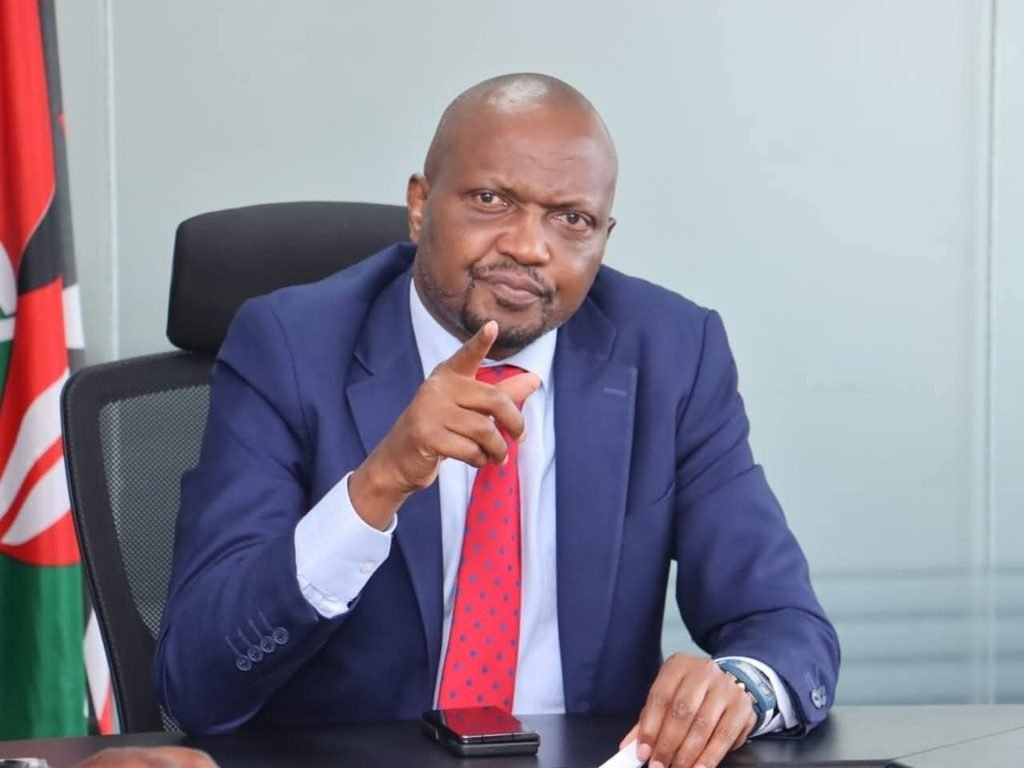
Former Cabinet Secretary Moses Kuria
James Gakuya builds a DCP platform
Embakasi North MP James Gakuya has also emerged as a declared contender and is associated with former Deputy President Rigathi Gachagua’s Democracy for Citizens Party (DCP).
Recent reporting shows Gakuya already engaging residents in areas including Kasarani and Ruai as he builds his gubernatorial campaign.
Gakuya’s political positioning comes as DCP seeks to establish a wider presence in Nairobi.
Gachagua has said the party intends to field candidates across the country, including for gubernatorial, parliamentary and county assembly positions.
That gives Gakuya’s bid a broader political context beyond his Embakasi North constituency.
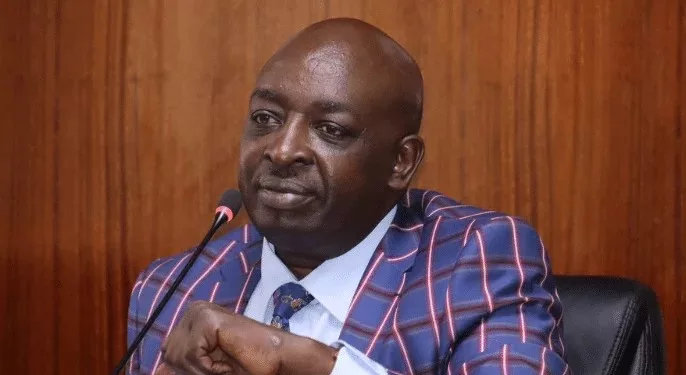
Embakasi North MP James Gakuya
Bishop Wanjiru returns to elective politics
Former Starehe MP Bishop Margaret Wanjiru formally entered the race in September, announcing that she would contest for governor on the Kenya Moja Movement Party ticket.
Her declaration came during a church service in Nairobi, where she said residents had asked her to provide direction on her political future.
“People of Nairobi have asked me to give them direction on my next political step,” Wanjiru said.
She has presented her bid around restoring efficiency, accountability and effective management in the county.
Wanjiru has also positioned herself within the opposition’s broader political arrangements, saying she would work with opposition leaders to build an alternative government.
Her entry adds another opposition-aligned candidate to a race already characterised by competing political formations.
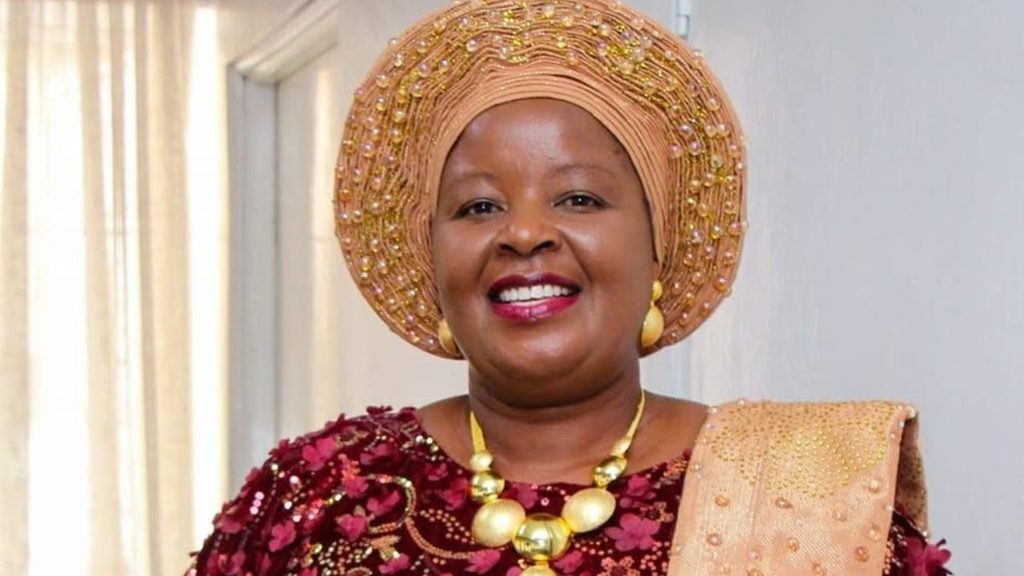
Former Starehe MP Bishop Margaret Wanjiru
Pauline Njoroge and Tony Gachoka widen the field
Jubilee’s deputy organising secretary Pauline Njoroge also declared her intention to run for governor in February.
She began countywide meet-the-people activities, saying she wanted to listen to residents before shaping her campaign.
“As leaders, we often imagine that we know what people want or need. Yet too often we end up working at cross-purposes with the very citizens who put us in office,” Njoroge said.
Journalist and political analyst Tony Gachoka has also formally announced his intention to contest the Nairobi governor’s seat. He joined KANU in 2025 and declared his gubernatorial bid through the party.
“The purpose of being here today is to announce that I, Tony Gachoka, will be running for the gubernatorial seat in Nairobi.”
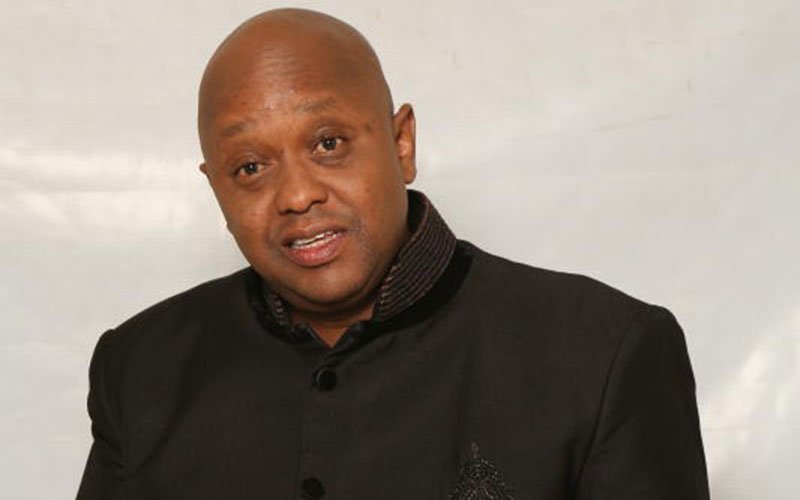
Journalist and political analyst Tony Gachoka
The race is bigger than City Hall
The Nairobi contest is unfolding alongside wider political realignments ahead of 2027.
The emergence of DCP, the Linda Mwananchi movement and the opposition’s efforts to coordinate around new political vehicles means that the gubernatorial contest cannot be viewed separately from the broader battle over Nairobi’s parliamentary and county assembly seats.
At the same time, party positions remain fluid.
The list of declared aspirants could therefore change as parties negotiate coalitions, nominations and running-mate arrangements.
For Sakaja, the challenge is to defend an incumbent record while navigating the question of which political coalition will ultimately support his re-election bid.
For his challengers, the immediate task is different: convert declarations into organised countywide campaigns and secure the party structures needed to take their bids to the ballot.
With more than a year before the 2027 General Election, Nairobi’s governor race is already becoming a contest of incumbency, political alliances, grassroots organisation and competing visions for the capital.

