
Kenya has begun laying the foundation for a new national strategy that will guide the conservation, restoration and sustainable management of mangrove ecosystems beyond 2027, as stakeholders seek to build on gains made over the past decade while addressing emerging environmental challenges.
The roadmap took centre stage during this year’s World Mangrove Day celebrations at the Kenya Forestry Research Institute (KEFRI) Grounds in Mokowe, Lamu County, following the conclusion of a two-day National Mangrove Stakeholder Forum that reviewed the implementation of the National Mangrove Ecosystem Management Plan (2017–2027).
The event was presided over by Cabinet Secretary for Environment, Climate Change and Forestry Dr. Deborah Barasa and Lamu Governor Issa Timamy.
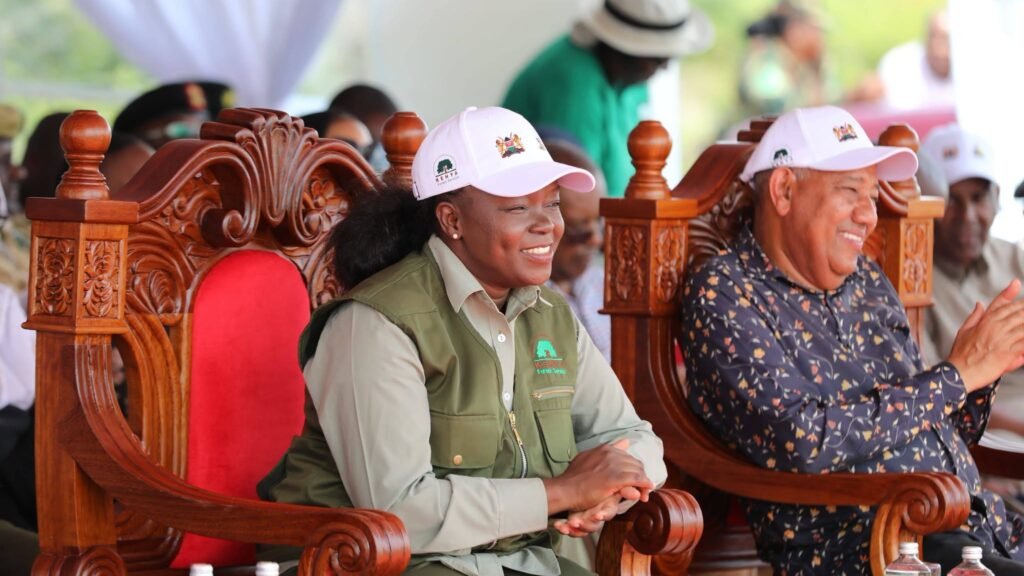
Among those in attendance were Investment Promotion Principal Secretary Abubakar Hassan, Secretary for Forest Development George Tarus, Secretary for Administration Patrick Meso, KEFRI Board Chairman Lt. Gen. (Rtd.) Walter Raria Koipaton, KEFRI Chief Executive Officer Dr. Jane Njuguna, Kenya Forest Service Board Chairman Titus Korir, KFS Commandant Mohammed A. Mohammed and other senior government officials and conservation partners.
The stakeholder forum brought together government agencies, county governments, researchers, conservation organisations, Community Forest Associations, development partners and private sector players to evaluate progress made under the current management plan and develop recommendations for the country’s next mangrove management framework.
Kenya’s mangrove forests cover approximately 61,271 hectares along its 536-kilometre coastline, with Lamu County accounting for about 61 per cent of the country’s total mangrove cover. Smaller mangrove forests are found in Kilifi, Kwale, Mombasa and Tana River counties.
These ecosystems provide a wide range of environmental and economic benefits, including protecting shorelines from erosion, storing blue carbon, supporting fisheries production, conserving biodiversity and sustaining coastal livelihoods.
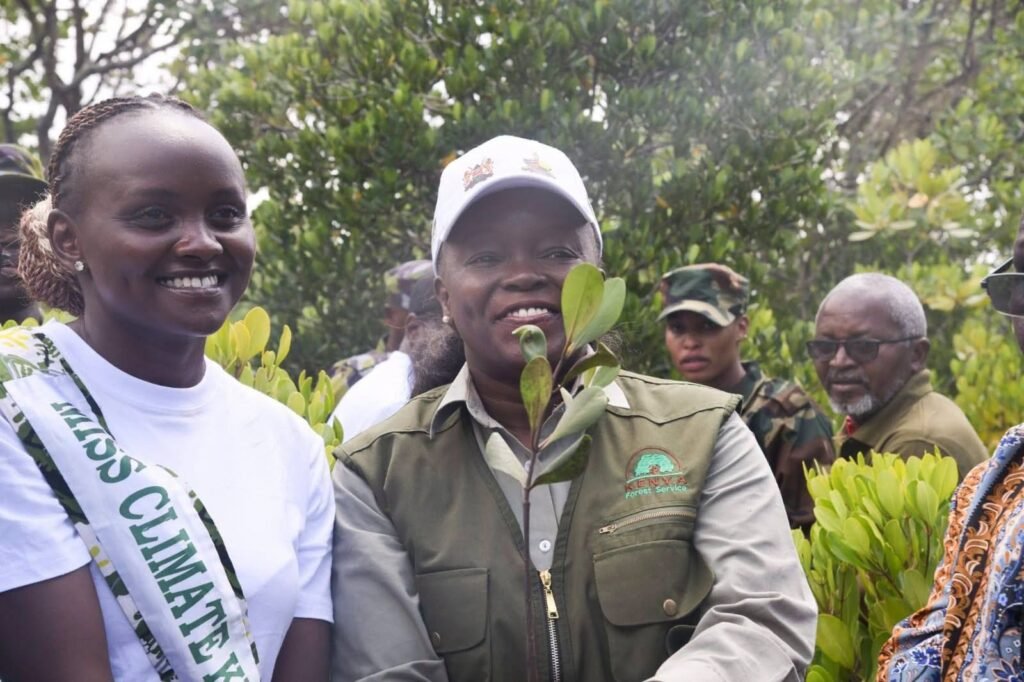
However, stakeholders observed that the forests continue to face growing threats from illegal harvesting, encroachment, pollution, sedimentation, unsustainable coastal development, declining freshwater inflows and the impacts of climate change.
The forum assessed lessons learned since the adoption of the National Mangrove Ecosystem Management Plan in 2017 and identified priority areas requiring greater attention in the next strategy. These include strengthening governance structures, enhancing stakeholder coordination, increasing community participation, improving restoration financing and expanding scientific research to guide conservation efforts.
Participants also discussed ways of attracting greater private sector investment while strengthening partnerships between national and county governments, research institutions, civil society organisations and local communities.
The recommendations from the consultations are expected to form the basis of Kenya’s next National Mangrove Management Strategy, providing a long-term framework for protecting the country’s mangrove ecosystems while supporting national climate commitments, biodiversity conservation targets, the Blue Economy agenda and the 15 Billion Trees by 2032 Programme.
Organised by the State Department for Forestry in collaboration with the Kenya Forest Service, the Kenya Forestry Research Institute (KEFRI) and partners under the Global Mangrove Alliance, the World Mangrove Day celebrations underscored the importance of long-term planning, stronger partnerships and coordinated action in safeguarding one of Kenya’s most valuable coastal ecosystems for future generations


