
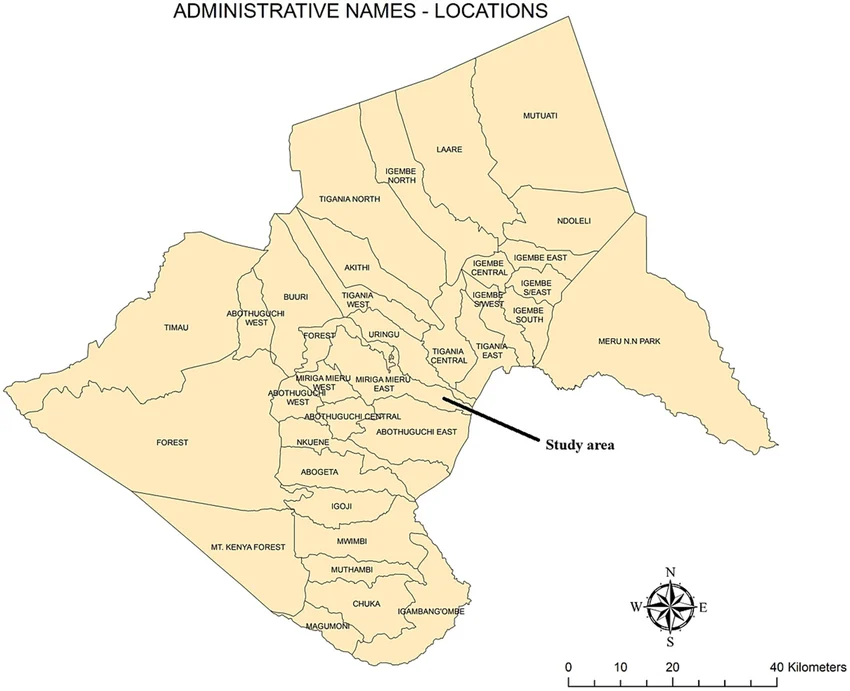
1. Official Names and Basic Identity
- Official Name: County Government of Meru / Meru County
- County Code: 012
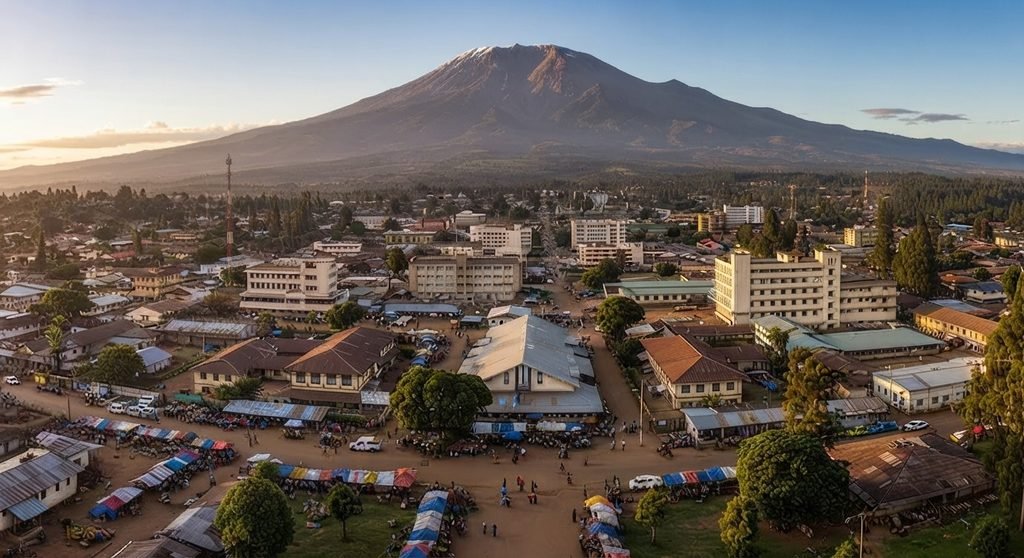
- County Headquarters: Meru Town
- Region: Eastern/Mt Kenya Region
- Area: Approximately 7,006 square kilometres, according to the 2019 Census profile.
- 2019 Population: 1,545,714, comprising 757,698 males and 788,016 females, according to the 2019 Kenya Population and Housing Census.
Meru is one of Kenya’s most economically important agricultural counties and one of the largest county economies outside Nairobi, Kiambu, Nakuru and Mombasa.
The county’s distinctive character comes from the combination of its high-potential highlands, the Nyambene agricultural belt, commercial farming, miraa production, dairy farming, Mount Kenya ecosystems, Meru National Park and a strong tradition of cooperative organisation and political activism.
2. Political and Administrative Structure
Meru County has nine parliamentary constituencies and 45 County Assembly wards. The county government’s electoral-ward information identifies the wards as follows:
A. Tigania East Constituency — 5 Wards
- Mikinduri
- Muthara
- Kiguchwa
- Thangatha
- Karama
B. Tigania West Constituency — 5 Wards
- Mbeu
- Nkomo
- Kianjai
- Akithi
- Athwana
C. Igembe North Constituency — 5 Wards
- Naathu
- Amwathi
- Antubetwe Kiongo
- Ntunene
- Antuambui
D. Igembe South Constituency — 5 Wards
- Maua
- Akachiu
- Kiegoi/Antubochiu
- Kanuni
- Athiru Gaiti
E. North Imenti Constituency — 5 Wards
- Nyaki East
- Nyaki West
- Ntima East
- Ntima West
- Municipality
F. South Imenti Constituency — 6 Wards
- Igoji East
- Igoji West
- Abogeta East
- Abogeta West
- Nkuene
- Mitunguu
G. Buuri Constituency — 5 Wards
- Ruiri/Rwarera
- Kiirua/Naari
- Kibirichia
- Kisima
- Timau
H. Igembe Central Constituency — 5 Wards
- Kangeta
- Njia
- Athiru Rujine
- Akirang’ondu
- Igembe East
I. Central Imenti Constituency — 4 Wards
- Mwanganthia
- Abothuguchi Central
- Abothuguchi West
- Kiagu
Total: 9 constituencies and 45 wards.
An interesting administrative feature is that the political map does not correspond neatly with the wider administrative structure. In addition to the nine parliamentary constituencies and 45 wards, county planning documents identify 15 administrative sub-counties and 392 villages. This illustrates the considerable administrative complexity beneath the county’s parliamentary and ward structures.
3. Current Political Leadership
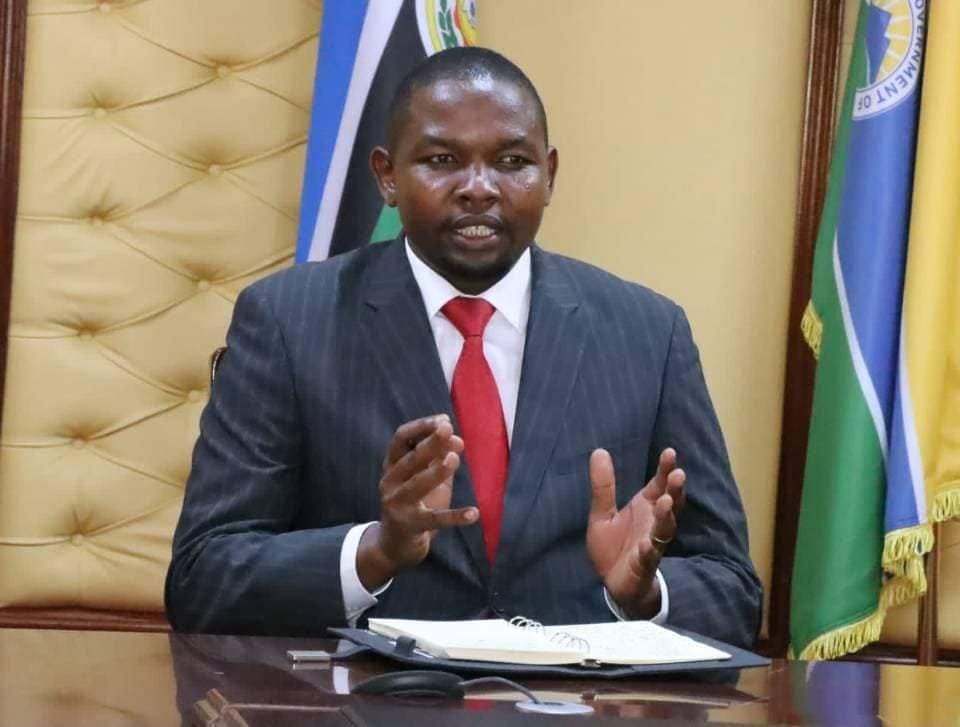
Governor: Rev. Isaac Mutuma M’Ethingia
As of August 2026, the county’s principal elected political leadership is:
| Position | Office Holder |
|---|---|
| Governor | Rev. Isaac Mutuma M’Ethingia |
| Deputy Governor | Lindah Kiome Gitonga |
| Senator | Kathuri Murungi |
| Woman Representative | Elizabeth Karambu Kailemia |
Governor Isaac Mutuma M’Ethingia became the fourth Governor of Meru County on 17 March 2025, following the removal of Kawira Mwangaza from office.
Senator Kathuri Murungi is also the Deputy Speaker of the Senate. Parliamentary records identify him as Meru’s elected senator under the UDA party.
Elizabeth Karambu Kailemia is the elected Meru County Woman Representative, also serving under the UDA ticket.
4. Members of Parliament
Meru County has nine constituencies, each represented in the National Assembly.
| Constituency | Member of Parliament | Party |
|---|---|---|
| Igembe South | John Paul Mwirigi | UDA |
| Igembe Central | Kiili Daniel Karitho | Jubilee |
| Igembe North | Julius Taitumu M’Anaiba | UDA |
| Tigania West | Dr John Kanyuithia Mutunga | UDA |
| Tigania East | Lawrence Mpuru Aburi | NOPEU |
| North Imenti | Rahim Dawood Abdul | Independent |
| Buuri | Mugambi Rindikiri Murwithania | UDA |
| Central Imenti | Moses Nguchine Kirima | UDA |
| South Imenti | Dr Shadrack Mwiti Ithinji | Jubilee |
Parliamentary records and the 2022 election results provide the basis for the constituency representation. The current parliamentary delegation includes members such as John Kanyuithia Mutunga, Julius Taitumu M’Anaiba and Lawrence Mpuru Aburi.
A notable political feature of Meru is the diversity of its parliamentary representation. Despite the county’s importance within the wider Mt Kenya political region, its constituencies have not always voted uniformly for one political party. The 2022 elections produced representation from UDA, Jubilee, NOPEU and an independent candidate.
5. Gross County Product
Meru is a top-tier county economy in Kenya.
The KNBS Gross County Product (GCP) series gives the following nominal GCP figures:
| Year | Nominal GCP |
|---|---|
| 2018 | KSh 267.3 billion |
| 2019 | KSh 306.9 billion |
| 2020 | KSh 330.0 billion |
| 2021 | KSh 378.8 billion |
| 2022 | KSh 407.4 billion |
The 2023 Gross County Product report placed Meru among Kenya’s five largest county economies, accounting for approximately 3.3% of national GCP in 2022.
More recent county economic documentation indicates that agriculture, forestry and fishing continue to dominate economic activity. The county’s 2025/26 fiscal documentation gives the value generated by agriculture, forestry and fishing at approximately KSh 306.8 billion in 2024, compared with KSh 182.8 billion in 2020.
It is important to distinguish Gross County Product (GCP) from national GDP. GCP measures the value of economic activity generated within a particular county.
6. Economy Brief
Meru’s economy is essentially built around five major pillars:
- Agriculture and agribusiness
- Wholesale and retail trade
- Manufacturing and agro-processing
- Services, education and healthcare
- Tourism and hospitality
Agriculture remains overwhelmingly important. The county identifies miraa, coffee, tea, maize, potatoes, vegetables and dairy among its principal agricultural products.
The combination of productive agricultural land, urban markets, transport networks, financial institutions, educational institutions and healthcare facilities has enabled Meru to develop beyond a purely rural agricultural economy.
Meru Town, Maua and Timau are important commercial centres, while the county also serves as a regional service and trading hub for neighbouring areas of Isiolo, Tharaka-Nithi and the wider northern and eastern Mount Kenya region.
7. Agriculture: The Economic Engine
Meru’s agricultural advantage is associated with its fertile volcanic soils, varied altitude, favourable climatic conditions and several ecological zones.
Major Agricultural Products
Miraa/Khat
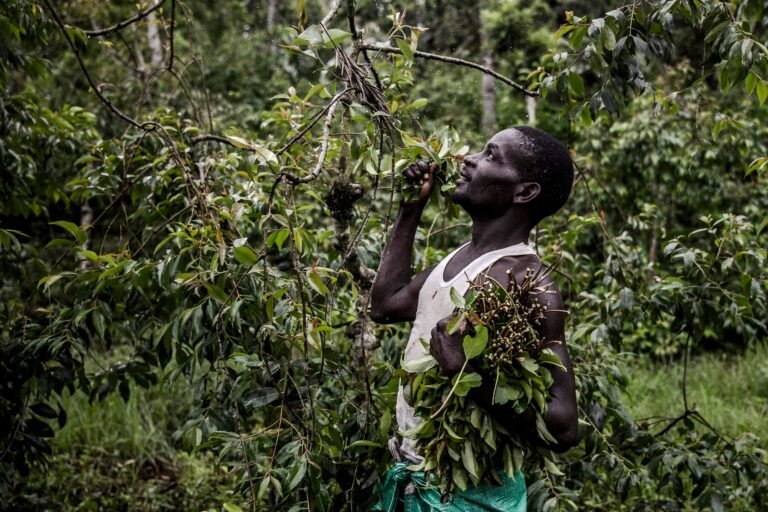
Meru is Kenya’s principal commercial miraa-producing county, particularly in Igembe and Tigania.
Miraa is more than an agricultural commodity in Meru. It is simultaneously a source of household income, a commercial product, an element of cultural identity and an important political and social issue. Its production supports extensive networks involving farmers, traders, transporters and markets.
Coffee
Coffee production is particularly associated with the highland areas of Imenti and surrounding zones. The sector has increasingly focused on quality improvement, aggregation, processing and value addition.
Tea
Tea is grown particularly in the cooler and wetter highland areas, benefiting from the county’s favourable agricultural climate.
Avocado
Avocado has become an increasingly important commercial and export crop, supported by growing demand in both domestic and international markets.
Macadamia
Macadamia is one of Meru’s rapidly expanding high-value crops. The county has pursued aggregation, processing and value-addition initiatives to increase returns to farmers.
Potatoes and Vegetables
Potatoes and vegetables are particularly important in Buuri, especially within the Timau-Kibirichia agricultural belt.
Other important crops include:
- Bananas
- Maize
- Beans
- Horticultural crops
8. Livestock
Meru has a strong livestock economy, particularly in the highlands, Imenti and Buuri areas.
Important livestock and related activities include:
- Dairy cattle
- Beef cattle
- Goats
- Sheep
- Poultry
- Beekeeping
Dairy farming is particularly significant because it supports an established value chain involving farmers’ cooperatives, milk collection centres, transporters, processors and retailers.
The county has also invested in agricultural cooperatives and livestock development programmes. County economic planning documents identify dairy products as significant contributors to agricultural activity.
9. Key Industries
Meru is not simply an agricultural production centre. It is increasingly developing into an agro-processing and services economy.
Major industries and economic activities include:
- Dairy processing
- Coffee processing
- Tea processing
- Miraa aggregation and export
- Macadamia processing
- Avocado value addition
- Potato processing
- Banana value addition
- Food and beverage manufacturing
- Construction
- Wholesale and retail trade
- Financial services
- Education
- Healthcare
- Hospitality and tourism
According to the county’s recent fiscal documentation, manufacturing contributed approximately KSh 23.9 billion to county economic activity in 2024.
The growth of agro-processing is particularly important because it provides a pathway for the county to capture more value from agricultural products before they leave the region.
10. Population
The 2019 Kenya Population and Housing Census recorded a population of:
Meru County: 1,545,714 people
This comprised:
- 757,698 males
- 788,016 females
The county has a relatively young population and remains predominantly rural, although urbanisation and commercial activity are increasing in centres such as Meru Town, Maua and Timau.
Meru’s demographic significance extends beyond its population size. The county functions as a regional commercial and service centre for parts of Isiolo, Tharaka-Nithi and the northern and eastern Mount Kenya region.
11. Education and School Enrolment
Meru has comparatively broad access to education, although the transition and retention of learners at different levels have historically presented challenges.
A KIPPRA analysis using education statistics reported the following indicators for 2018:
| Indicator | Meru |
|---|---|
| Pre-primary NER, 2018 | 66.8% |
| Primary NER, 2018 | 87.4% |
| Secondary NER, 2018 | 32.8% |
| Primary GER, 2018 | 113.5% |
| Secondary GER, 2018 | 65.7% |
More recent KIPPRA analysis based on 2019–2022 data reported:
- Primary NER in 2020: 81.7%
- Secondary NER in 2020: 61.9%
- Primary-to-secondary transition rate in 2020: 86.4%
These figures indicate a substantial improvement in secondary-school access compared with the earlier period.
The county government currently reports:
- 813 ECDE centres
- 61,870 pre-primary learners
- 647 public primary schools
- 335,879 primary pupils
- 192 public secondary schools
- 54,682 secondary students
Higher Education
Meru also hosts several important higher education and professional training institutions, including:
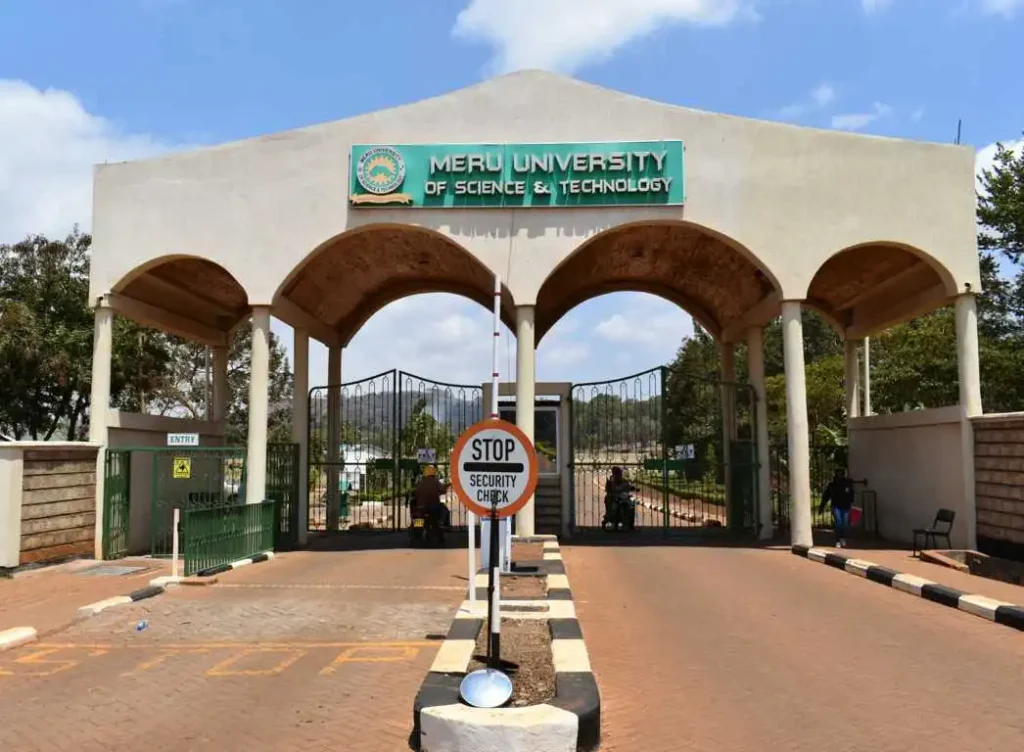
- Meru University of Science and Technology
- Kenya Methodist University
- Meru National Polytechnic
- KMTC-related medical training
The presence of these institutions contributes to the county’s growing knowledge economy, professional services and human-capital development.
12. Key Health Facilities and Health Infrastructure
Meru has developed into one of the important medical hubs in the wider Upper Eastern region.
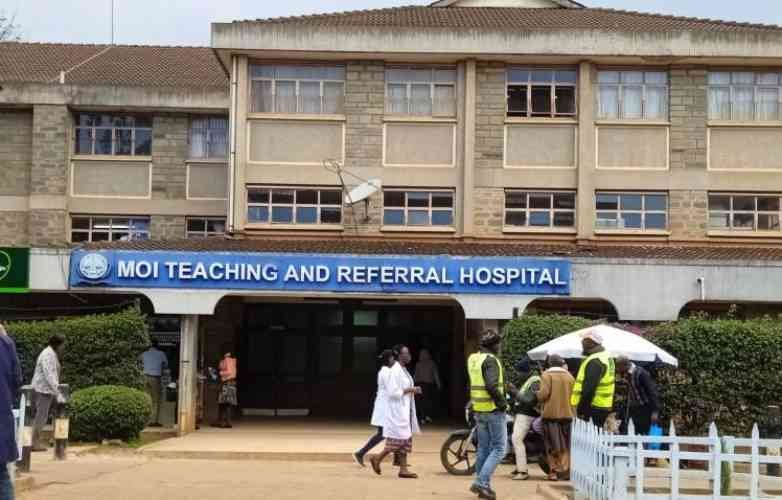
Meru Teaching and Referral Hospital — MeTRH
The flagship health institution is Meru Teaching and Referral Hospital (MeTRH).
The national health facility registry classifies the institution as a Level 6 facility, with a reported 306 inpatient beds and specialist services.
The hospital provides services including:
- Emergency and critical care
- Surgery
- Oncology
- Renal services
- Medical imaging
- Laboratory services
- Maternity services
- Specialist clinics
- ICU/HDU services
- Teaching and research
MeTRH serves not only residents of Meru but also patients from a wider Upper Eastern catchment area.
Other Important Health Facilities
Other major facilities include:
- Maua Methodist Hospital
- St Theresa’s Mission Hospital, Kiirua
- Nyambene Sub-County Hospital
- Miathene Sub-County Hospital
- Kanyakine Sub-County Hospital
- Timau Sub-County Hospital
- Githongo Sub-County Hospital
The county reported approximately 216 health facilities within its public health system in 2025, alongside continued investment in Level 4 and Level 5 facilities.
13. History of County Political Leadership
Meru’s devolved political history has been particularly eventful.
Governors
1. Peter Munya — 2013–2017
Peter Munya became the first Governor of Meru County following the introduction of devolved government in 2013.
His administration established the initial county executive structures and institutions under the new devolved system.
2. Kiraitu Murungi — 2017–2022
Kiraitu Murungi, a veteran lawyer and national politician, became Governor in 2017 after defeating Peter Munya.
Before becoming governor, Murungi had served as Meru Senator and as a Cabinet minister in the national government.
3. Kawira Mwangaza — 2022–2025
Kawira Mwangaza became the first woman elected Governor of Meru County in 2022.
Her election was notable because she defeated established political figures, including incumbent Governor Kiraitu Murungi and former Senator Mithika Linturi.
Her tenure was subsequently marked by repeated disagreements with the County Assembly and impeachment proceedings. Her removal from office was ultimately upheld in March 2025.
4. Isaac Mutuma M’Ethingia — 2025–Present
Rev. Isaac Mutuma M’Ethingia, who had served as Deputy Governor, succeeded Kawira Mwangaza.
He was sworn in as Governor on 17 March 2025, becoming the fourth person to serve as Governor of Meru County.
Senators
- Kiraitu Murungi — 2013–2017
- Mithika Linturi — 2017–2022
- Kathuri Murungi — 2022–present
Kathuri Murungi currently serves as Deputy Speaker of the Senate, giving Meru representation in a particularly senior parliamentary leadership position.
Women Representatives
- Florence Kajuju — 2013–2017, the first elected Woman Representative
- Kawira Mwangaza — 2017–2022
- Elizabeth Karambu Kailemia — 2022–present
14. Meru’s Political and Social Quirks
1. Miraa Is More Than a Crop
For Meru, miraa is simultaneously agriculture, business, culture, identity, foreign trade and politics.
Its economic fortunes have historically affected household incomes, local businesses and debates concerning relations between northern Meru communities and national government policy.
2. The County Has a Powerful Traditional Institution
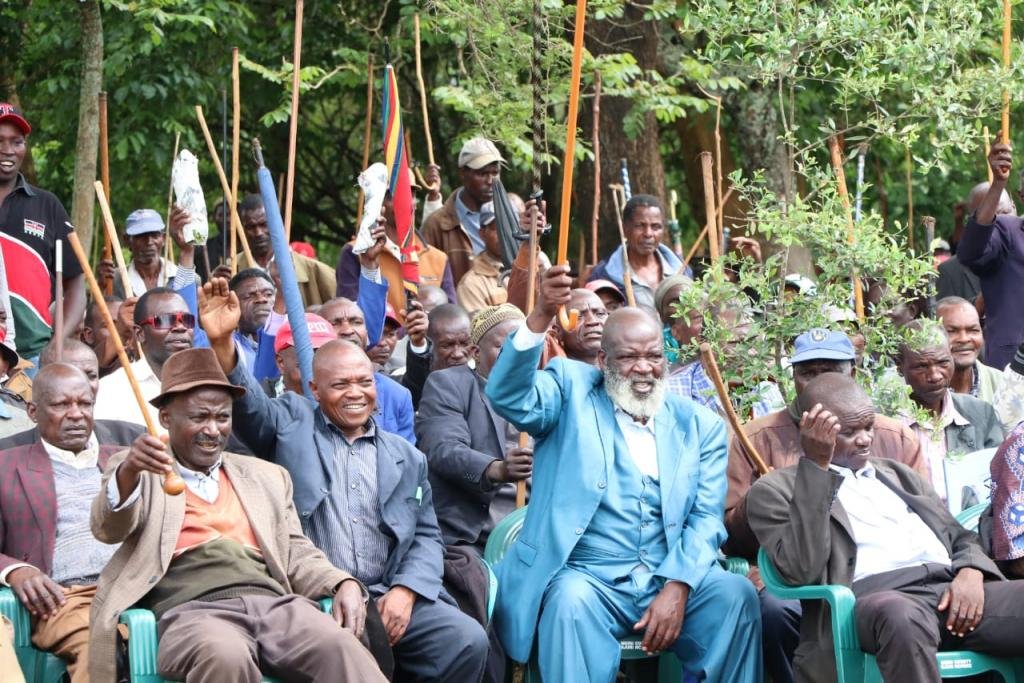
The Njuri Ncheke, the traditional council of Ameru elders, remains an important cultural institution.
It has historically played roles in community leadership, dispute resolution, cultural preservation and social organisation.
3. Meru Is Not Politically Monolithic
Although Meru is an important electoral bloc within the broader Mt Kenya region, political preferences can vary significantly between constituencies and communities.
The 2022 elections demonstrated this political diversity through the election of candidates associated with different parties and political alignments.
4. Strong Cooperative Culture
Agriculture has generated extensive cooperative structures involving:
- Coffee
- Dairy
- Miraa
- Macadamia
- Avocado
- Potatoes
- Other agricultural commodities
Cooperatives have played an important role in aggregation, marketing, access to services and farmer organisation.
5. Linguistic and Cultural Diversity
The wider Meru identity encompasses communities including Imenti, Igembe and Tigania, each with distinctive local identities, cultural practices and dialectical differences.
6. Production of National Political Figures
Meru has produced a substantial number of nationally prominent political figures who have served in Parliament, Cabinet and other national institutions.
15. Main Annual and Recurring Events
Meru National Show
The Meru National Show is one of the county’s longest-established annual events.
It began in 1968 at Kinoru Stadium and moved to Gitoro Showground in 1990.
The event brings together:
- Agriculture
- Business
- Technology
- Livestock
- Entertainment
- Trade
- Agricultural exhibitions and demonstrations
It serves Meru and neighbouring counties as a major agricultural and commercial exhibition.
Agricultural and Dairy Field Days
Agricultural and dairy field days are important recurring events because of the county’s commercial dairy and horticultural sectors.
These events provide opportunities to showcase modern farming techniques, dairy productivity, agricultural technologies and value addition.
Cultural Festivals
Meru has promoted Kimeru/Meru cultural festivals showcasing:
- Traditional music
- Dance
- Food
- Language
- Heritage
- Traditional cultural practices
The county’s Vision 2040 also envisaged a rotational Meru Cultural Week across the county’s sub-counties.
Mwanki Festival
The Mwanki Festival has more recently been promoted as a youth-oriented cultural and creative event, providing a platform for entertainment, creativity and cultural expression.
Sports and Inter-County Events
Meru hosted the 10th Kenya Inter-County Sports and Cultural Association (KICOSCA) Games in August 2023.
The event brought together county teams from across Kenya and combined sports with cultural interaction.
16. Main Tourism Attractions and Distinctiveness
1. Meru National Park
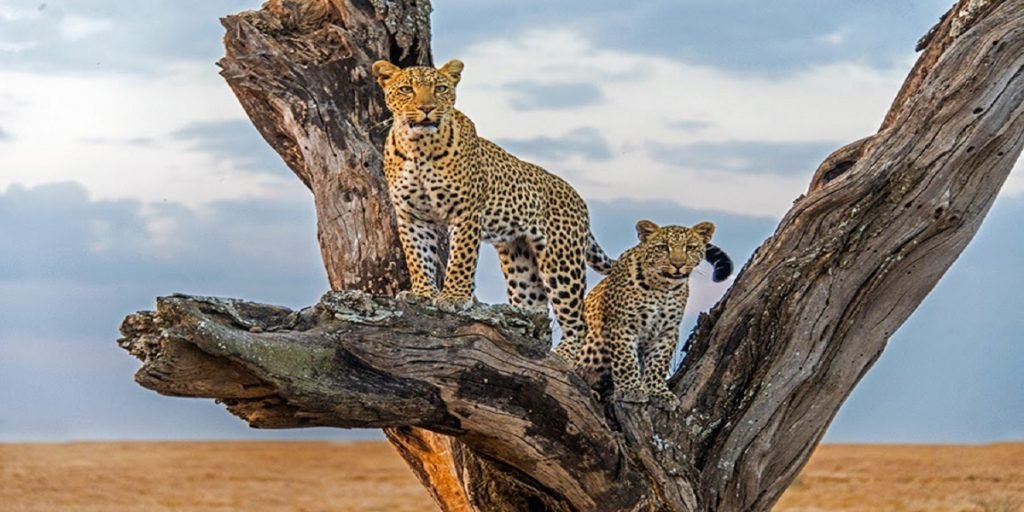
Meru National Park is one of the county’s most important tourism assets.
The park covers approximately 870 square kilometres and supports a diverse range of wildlife, including:
- Elephants
- Grevy’s zebra
- Gerenuk
- Beisa oryx
- Lions
- Cheetahs
- Leopards
- Buffalo
- Hippos
- Reticulated giraffes
The park also contains a rhino sanctuary.
One of Meru National Park’s most internationally recognised historical associations is the story of Elsa the lioness. Conservationists George and Joy Adamson raised and released Elsa into the wild, and her story was later popularised internationally through the Born Free story.
2. Nyambene Hills
The Nyambene Hills provide an important natural and cultural landscape.
They form the highland backdrop to the miraa-growing region and contain:
- Forests
- Farms
- Sacred sites
- Scenic viewpoints
- Distinctive agricultural landscapes
The hills are important not only for tourism but also for Meru’s agricultural and cultural identity.
3. Ngare Ndare Forest

Ngare Ndare Forest is an indigenous forest associated with the Mount Kenya ecosystem.
It is known for:
- Waterfalls
- Blue pools
- Wildlife
- Canopy walkway
- Forest biodiversity
The Kenya Forest Service identifies the forest as part of an important elephant corridor linking Mount Kenya forests with northern rangelands.
4. Mount Kenya Ecosystem
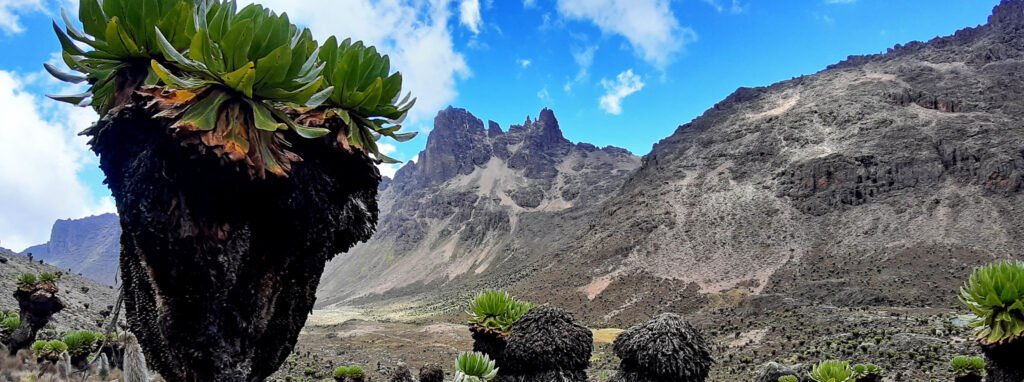
Meru forms part of the wider Mount Kenya ecosystem and provides access to the eastern side of the mountain landscape.
This creates opportunities for:
- Mountain tourism
- Hiking
- Eco-tourism
- Adventure tourism
- Nature-based tourism
5. Cultural Tourism
Meru’s cultural tourism potential extends beyond wildlife.
Important cultural attractions and experiences include:
- Njuri Ncheke
- Traditional governance institutions
- Sacred sites
- Ameru music and dance
- Traditional foods
- Cultural festivals
- The agricultural and cultural landscape of the Nyambene Hills
17. Key Personalities from Meru
Kiraitu Murungi
Kiraitu Murungi is a veteran lawyer and politician who has served as:
- MP for South Imenti
- Meru Senator
- Cabinet minister
- Governor of Meru County
He remains one of the most prominent political figures associated with the county.
Peter Munya
Peter Munya was Meru’s first Governor and later served as a Cabinet Secretary, including in the agriculture and trade portfolios.
His political career connected Meru county politics with national government for more than a decade.
Mithika Linturi
Mithika Linturi has served as:
- MP for Igembe South
- Meru Senator
- Cabinet Secretary for Agriculture and Livestock Development
He is one of the prominent national political figures from Meru.
Kathuri Murungi
Kathuri Murungi is the current Meru Senator and Deputy Speaker of the Senate.
He previously served as MP for South Imenti.
Florence Kajuju
Florence Kajuju was Meru’s first elected Woman Representative.
During her tenure, she was also associated with advocacy concerning the interests of the miraa economy.
Kawira Mwangaza
Kawira Mwangaza previously served as Woman Representative and Governor of Meru.
Her transition from grassroots activism and business to becoming Meru’s first woman governor represents one of the county’s notable recent political developments.
Rev. Isaac Mutuma M’Ethingia
Rev. Isaac Mutuma M’Ethingia is the current Governor of Meru County.
He previously served as Deputy Governor and has also been associated with public service, community advocacy and Methodist ministry.
Daniel “Churchill” Ndambuki
Daniel “Churchill” Ndambuki is a celebrated Kenyan comedian and media personality strongly associated with Meru.
He has also been involved in local creative and youth initiatives.
18. The Meru Paradox
Meru is an interesting county because its economic potential is considerably larger than the conventional image of a rural agricultural county might suggest.
The county has:
- A KSh 407-billion-plus nominal economy in the latest five-year KNBS GCP series supplied for this profile
- One of Kenya’s strongest agricultural economies
- An internationally recognised miraa industry
- Major horticulture and dairy value chains
- Universities and a growing knowledge economy
- A major regional referral hospital
- A significant wildlife park
- Mount Kenya tourism
- A sophisticated commercial centre around Meru and Maua
- A politically influential population of more than 1.5 million people
At the same time, one of the county’s major economic development questions is how to move further from primary production toward value addition.
Meru produces substantial quantities of agricultural commodities, but increasing local processing, branding, cold-chain infrastructure, export logistics and industrialisation could allow more economic value to be retained within the county.
This creates an important development question for the coming decade: whether Meru can increasingly integrate its agricultural production with agribusiness, manufacturing, healthcare, education, tourism and regional trade to strengthen its role as a major economic hub in the Upper Eastern region.
19. Principal Sources
- Kenya National Bureau of Statistics (KNBS) — 2024 Economic Survey
https://www.knbs.or.ke/reports/2024-economic-survey/ - Meru County Integrated Development Plan 2023–2027
https://mail.meru.go.ke/electoral-wards/ - Meru County Government — Electoral Wards
https://meru.go.ke/electoral-wards/ - KNBS — Gross County Product / 2023 GCP Report
https://www.studocu.com/row/document/jomo-kenyatta-university-of-agriculture-and-technology/bachelor-of-science-in-statistics/gross-county-product-2023-min/112821872 - Meru County Fiscal Strategy Paper / Economic Data
https://meru.go.ke/assets/file/4d52c453-county-fiscal-strategy-paper-2024.pdf - Kenya National Bureau of Statistics — Census Data
https://fsd.kilimo.go.ke/regions/meru - Parliament of Kenya — Members of the National Assembly
https://www.parliament.go.ke/node/271 - Parliament of Kenya — Senate
https://www.parliament.go.ke/index.php/the-senate/senators?field_parliament_value=2022&page=4&title= - Kenya Wildlife Service — Meru National Park
https://kws.go.ke/park/meru-national-park/ - Kenya Forest Service — Ngare Ndare Forest
https://www.kenyaforestservice.org/wp-content/uploads/2023/06/KFS-Advert-2.pdf - KIPPRA — Meru County Education and Development Indicators
https://kippra.or.ke/download/meru-county-2/?filename=Meru-County-1.pdf&ind=3070&refresh=685650caaeebf1750487242&wpdmdl=5700


