
A high-level political meeting bringing together influential leaders from Kenya’s Coast region has triggered fresh debate about the region’s role in the 2027 General Election.
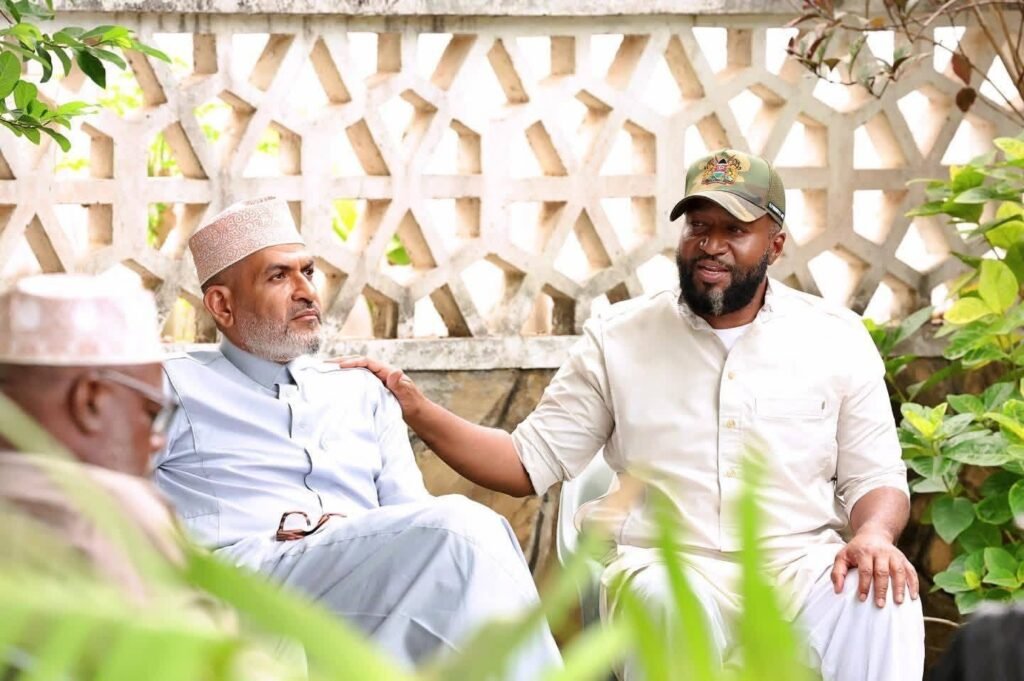
The strategy session, held yesterday, was led by Abdulswamad Shariff Nassir, ODM Deputy Party Leader and Governor of Mombasa County, alongside Cabinet Secretary Ali Hassan Joho.
The leaders met to align their political strategy amid shifting national dynamics, with unity emerging as the central theme. Sources familiar with the discussions indicated that the Coast’s influence in 2027 will largely depend on whether its political actors remain cohesive or fragment along party and personal lines.
A region seeking leverage
The Coast has historically been considered a stronghold of the Orange Democratic Movement, but recent elections have shown signs of political diversification. National parties have intensified efforts to penetrate the region, while local leaders have increasingly asserted the need for independent bargaining power within coalition politics.
Political analysts argue that early coordination is a strategic move. With campaigns still some distance away, Coast leaders appear determined to avoid last-minute alignments that could weaken their negotiating position. “When the region is united, it carries significant weight in national politics,” said a political observer based in Mombasa. “But when divided, it becomes vulnerable to external influence.”
Governor Nassir has previously spoken about the need for the Coast to avoid marginalisation in national decision-making. Insiders say the meeting reflected a shared concern that without a common agenda, the region risks being courted during campaigns but sidelined after elections.
Joho’s influence and ODM’s calculations
CS Joho’s presence underscored the seriousness of the discussions. As a former Mombasa governor and long-time Coast political heavyweight, his alignment with Nassir signals efforts to consolidate ODM’s support base while also strengthening the region’s voice in national conversations.
Observers note that the Coast’s political landscape is evolving. Emerging leaders and shifting alliances mean that traditional loyalties cannot be taken for granted. The 2027 race is expected to be highly competitive, and regions with cohesive voting blocs are likely to command greater attention from presidential contenders.
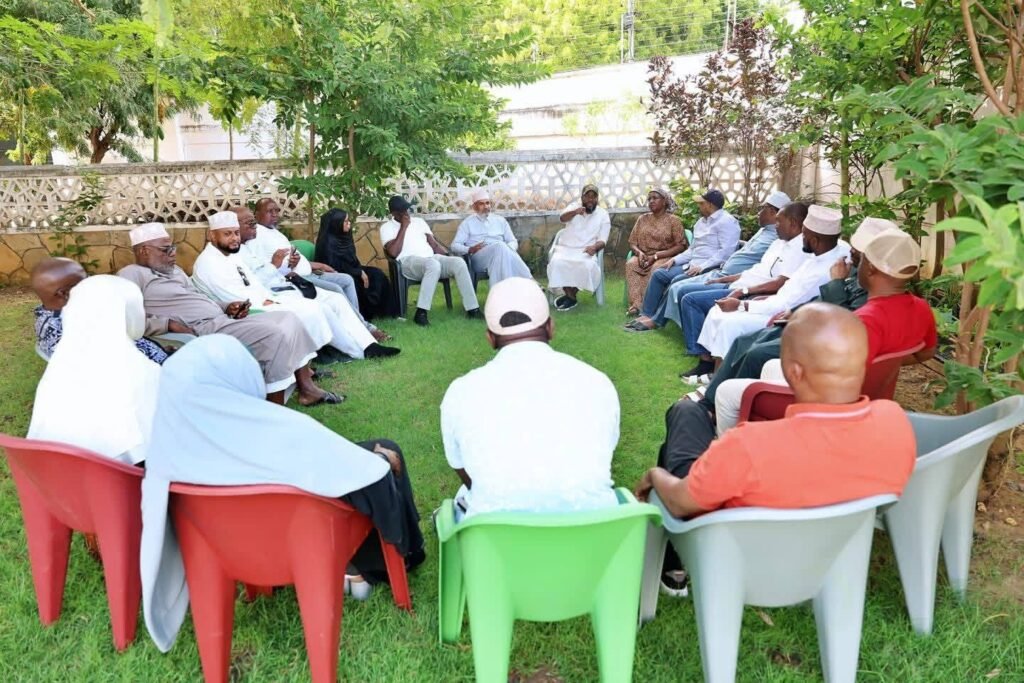
A Coast MP who attended the meeting described it as “forward-looking and necessary,” adding that the region must define its priorities before negotiations with national coalitions intensify.
What this means for 2027
Beyond party positioning, leaders reportedly discussed development issues that resonate strongly with voters, including land rights, youth unemployment and economic inclusion. Analysts say linking political unity to concrete policy demands could transform the Coast from a predictable voting bloc into a decisive electoral force.
However, the durability of this unity remains uncertain. Historically, Coast politics has been shaped by personal rivalries and shifting allegiances. Whether this latest alignment represents a long-term strategy or a temporary convergence of interests will become clearer in the months ahead.
For now, the message emerging from the meeting is unmistakable: the Coast intends to organise early and negotiate from strength. As the road to 2027 begins to take shape, the region appears determined not just to participate in the national conversation, but to shape it.


