
The planned Bomas International Convention Complex (BICC) is being positioned as one of Kenya’s most ambitious infrastructure projects in the meetings and diplomacy space, with the government saying it will significantly boost the country’s ability to host global summits and high-level conferences.
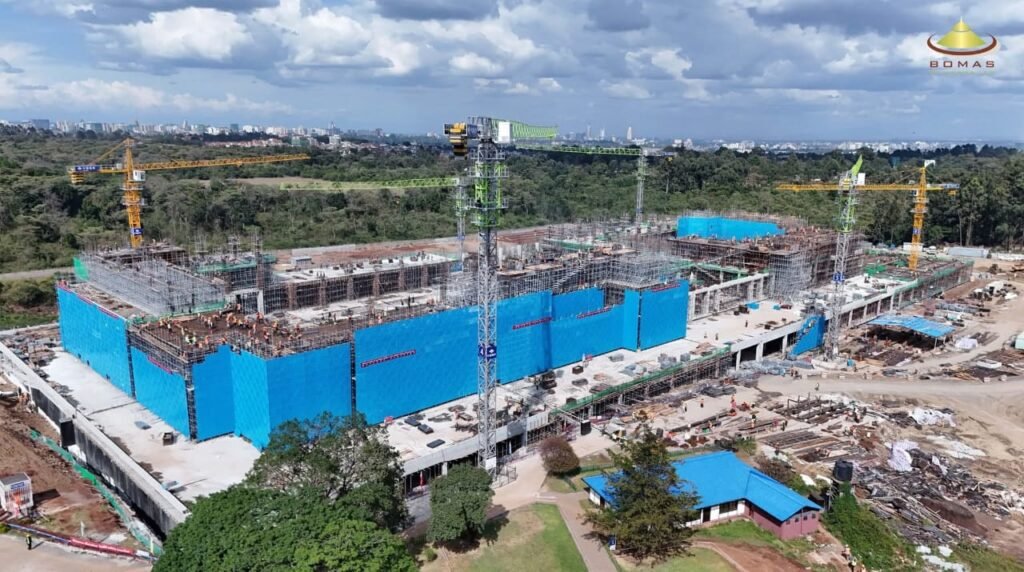
The project, to be developed at the Bomas of Kenya in Nairobi, seeks to transform the historic cultural site into a modern, world-class convention hub capable of accommodating thousands of delegates for international gatherings.
Why the BICC is being built
Kenya has long been considered a diplomatic capital of Africa. Nairobi hosts the United Nations Office at Nairobi (UNON), which includes UNEP and UN-Habitat, making it the only UN headquarters in the Global South. The city frequently hosts regional summits, trade forums and continental meetings.
However, government officials have acknowledged that existing conference facilities limit Kenya’s ability to host very large global events.
President William Ruto has described the BICC as a strategic investment to close that gap.
“The Bomas International Convention Complex will position Kenya as a premier global meetings hub. It is part of our broader plan to strengthen Nairobi’s standing as the diplomatic and commercial gateway to Africa,” Ruto has said in remarks supporting the project.
He has linked the development to Kenya’s economic transformation agenda, noting that global conferences generate business opportunities for local enterprises, hotels, transport providers and service industries.
What the complex will include
According to government briefings, the BICC will feature a large-capacity plenary hall, multiple meeting rooms, exhibition and trade fair space, and advanced digital conferencing infrastructure to support hybrid and virtual meetings.
Deputy President Kithure Kindiki has emphasised that the complex will combine modern infrastructure with Kenya’s cultural identity.
“This project is about building a world-class convention facility while preserving the heritage of Bomas of Kenya. It will enhance our capacity to host international engagements at the highest level,” Kindiki has said.
The facility is also expected to incorporate high-level security features suitable for hosting heads of state, multinational delegations and global institutions.
Economic and strategic impact
The meetings, incentives, conferences and exhibitions (MICE) sector is a major revenue earner globally. Countries that invest in large convention centres often benefit from increased tourism receipts, foreign exchange inflows and job creation.
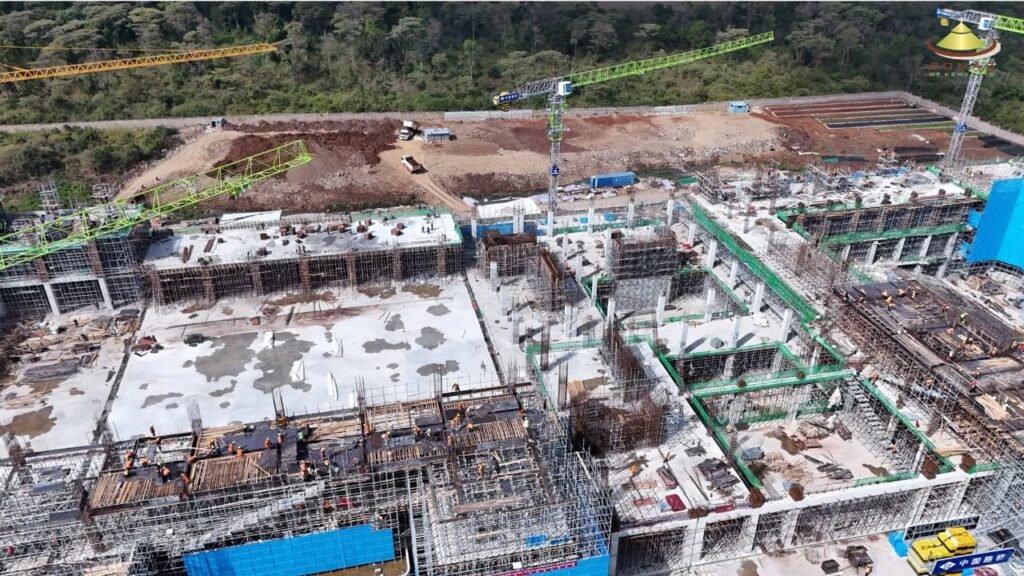
President Ruto has argued that every major summit hosted in Kenya translates into direct economic activity.
“When we host global conferences, we create jobs for our youth, business for our hotels and opportunities for our entrepreneurs,” he has stated.
Analysts note that expanding conference infrastructure could enable Kenya to compete more effectively with cities such as Kigali, Addis Ababa and Cape Town, which have invested heavily in convention facilities.
A broader infrastructure vision
The BICC project aligns with ongoing investments in transport, aviation and hospitality infrastructure. With Jomo Kenyatta International Airport serving as a major regional hub and Nairobi’s hotel capacity expanding, officials say the convention complex will complement existing facilities and enhance Kenya’s competitiveness.
If completed as planned, the Bomas International Convention Complex could mark a significant milestone in Kenya’s ambition to cement its position as Africa’s diplomatic and conference capital.
In the government’s view, the project is not just about a new building — it is about leveraging infrastructure to strengthen Kenya’s global influence, attract investment and drive long-term economic growth.


