
For years, communities around Lake Victoria have grappled with declining fish stocks, shrinking incomes, and limited market opportunities, leaving thousands of fisherfolk struggling to sustain their livelihoods.
The government is now seeking to reverse that trend through major investments in the Blue Economy, with the Kabonyo Kanyagwal Regional Fisheries and Aquaculture Training Centre of Excellence emerging as one of the flagship projects expected to transform the region’s fisheries sector.
Located in Kadibo Sub-County, Kisumu County, the facility is being developed as a modern aquaculture hub aimed at increasing fish production, strengthening skills development, and supporting commercial fish farming across western Kenya.
Principal Secretary for Internal Security and National Administration, Raymond Omollo, said the project reflects the government’s commitment to unlocking the economic potential of the Lake Victoria region.
“The Lake Victoria region has immense economic potential, and investments such as the Kabonyo Kanyagwal Fisheries Centre are critical in restoring livelihoods, creating employment opportunities, and strengthening food security for communities that depend on the fisheries sector,” Omollo said.
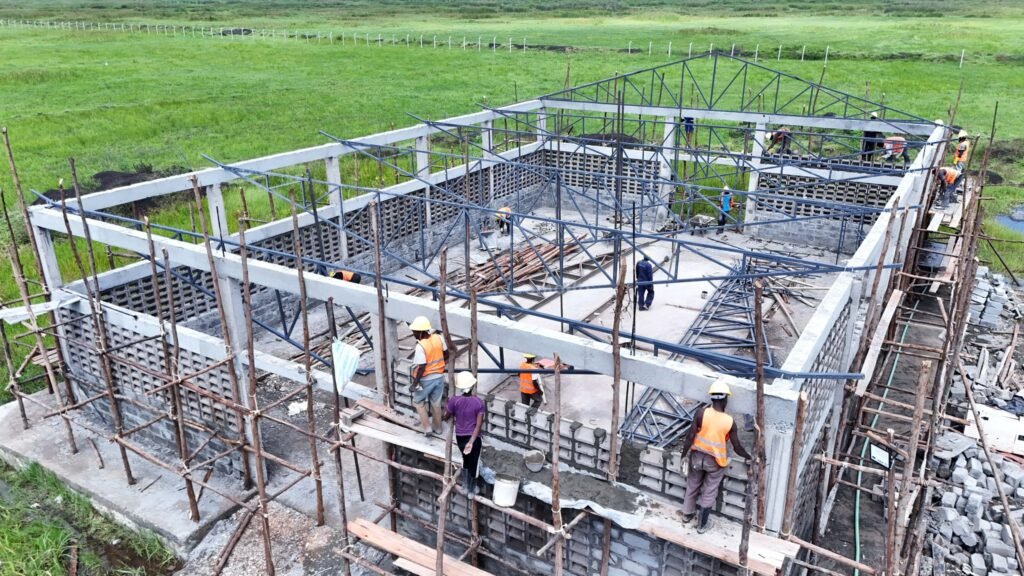
Facility to Produce 28 Million Fingerlings Annually
The centre sits on 25 acres and is designed to serve as a regional training, research, and fish production facility.
Once completed, it will feature a large hatchery, 20 specialized fish ponds, a modern flood-control canal, trainee dormitories, staff housing, and administrative offices.
According to government projections, the facility will produce approximately 28 million fingerlings annually, helping replenish fish stocks in Lake Victoria while supporting cage fish farming and aquaculture enterprises across Kisumu, Homa Bay, Siaya, Migori, and Busia counties.
Omollo noted that boosting fish production is essential to restoring the region’s economic fortunes.
“For many years, fishing communities have faced significant challenges arising from declining fish stocks and limited access to quality aquaculture inputs. This facility will provide sustainable solutions by increasing fingerling production and supporting modern fish farming practices,” he said.
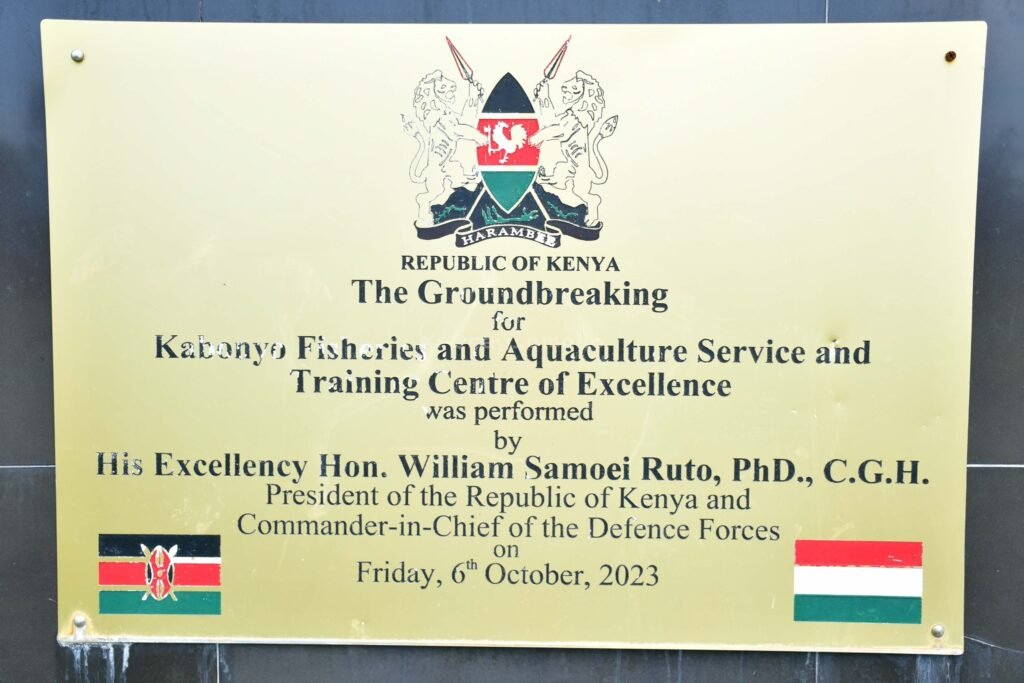
Supporting Farmers and Expanding Markets
Beyond fish restocking, the centre is expected to improve access to affordable fish feeds and aquaculture inputs, enabling farmers to increase productivity and meet growing market demand.
The project also seeks to strengthen cold-chain systems and enhance market linkages, ensuring fish farmers can access profitable local and regional markets.
Experts believe improved aquaculture production could significantly reduce pressure on wild fish stocks while creating new income opportunities for thousands of households across the lake basin.
Omollo said the government is focused on creating an ecosystem that supports both production and market access.
“Our goal is not only to increase fish production but also to strengthen value chains that enable farmers and fisherfolk to earn more from their work. This is how we build sustainable economic growth in the region,” he said.
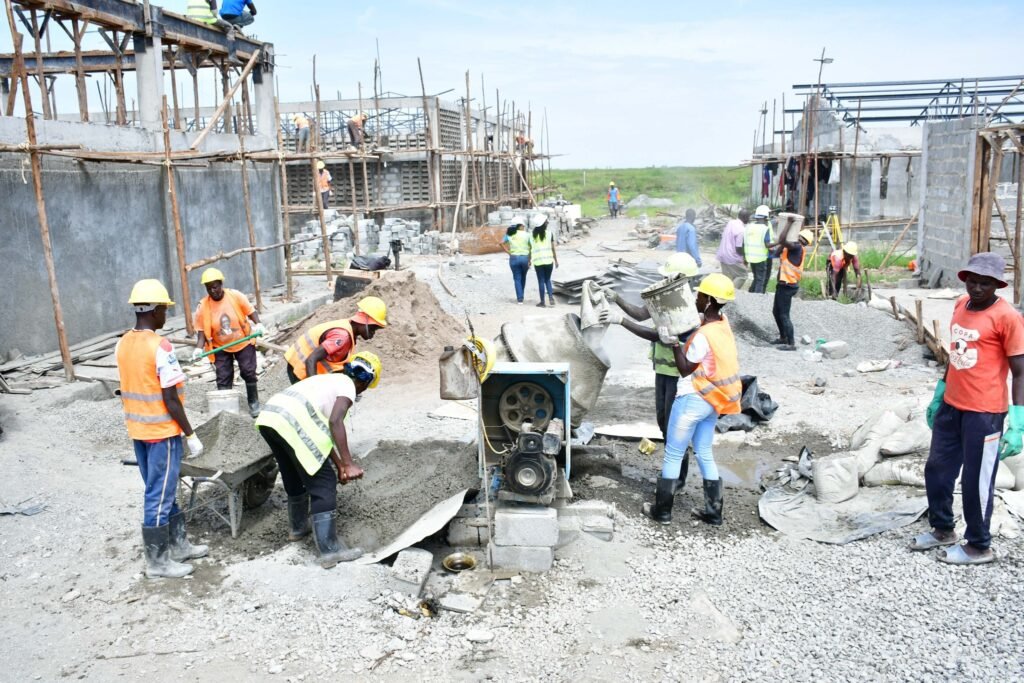
Security and Community Collaboration
The State Department for Internal Security and National Administration is also playing a role in supporting the implementation of the project through coordination between national government agencies, local leaders, and communities.
According to Omollo, ensuring a stable and secure environment is critical for the success of large-scale development initiatives.
“We continue to work closely with communities and government institutions to ensure that strategic projects such as this are implemented successfully and protected for the benefit of current and future generations,” he said.
He added that strong collaboration between government agencies and local residents will be key to maximizing the project’s impact once operational.
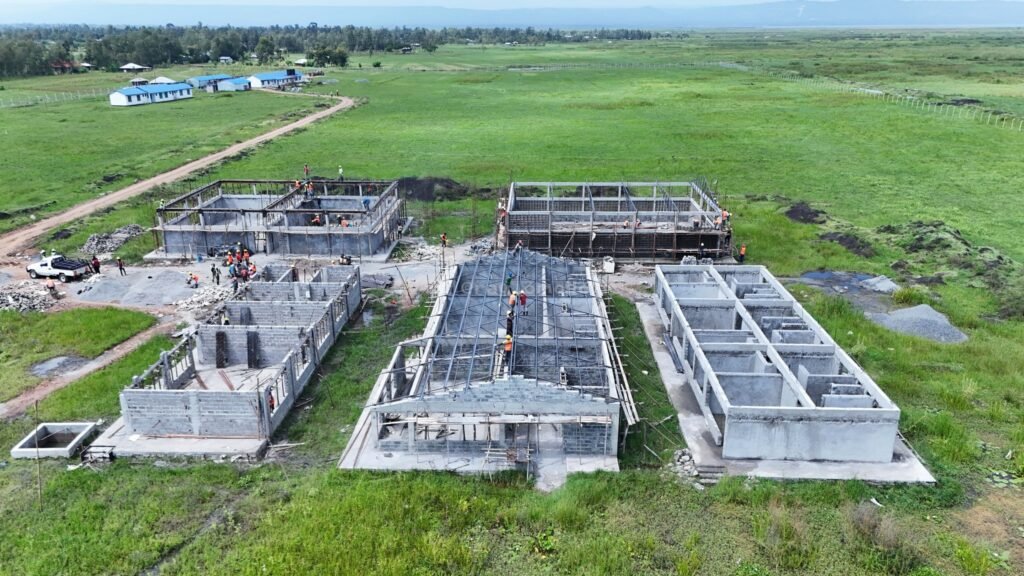
Driving the Blue Economy Agenda
The Kabonyo Kanyagwal Regional Fisheries and Aquaculture Training Centre forms part of the government’s broader strategy to expand Kenya’s Blue Economy and increase the contribution of fisheries and aquaculture to national development.
As construction progresses, expectations remain high that the facility will help revive the Lake Victoria economy, create jobs for young people, boost food security, and position western Kenya as a major hub for aquaculture production.
“This project is about restoring hope and opportunity to fishing communities. By investing in modern aquaculture infrastructure, we are laying the foundation for a more prosperous and resilient Lake Victoria region,” Omollo said.


