

Kisumu County lies in western Kenya along the northeastern shores of Lake Victoria. It borders Siaya County to the north, Nandi County to the northeast, Kericho County to the east, Homa Bay County to the south, and Lake Victoria to the west. The county is home to Kisumu City, Kenya’s third-largest city and the principal commercial and transport hub of the Lake Region.
Historically known as a centre of trade, Kisumu derives its name from the Luo word “Kisuma”, meaning a place of barter. Today the county remains one of Kenya’s leading regional economic centres, linking the country’s western corridor with Uganda, Tanzania and the wider East African Community through road, rail, air and inland water transport.
Situated on the shores of Lake Victoria, Kisumu has developed into one of Kenya’s fastest-growing urban economies. Manufacturing, fisheries, agriculture, logistics, tourism and trade underpin its economy, while the revival of Kisumu Port and the development of the Special Economic Zone continue to strengthen its strategic importance within the region.
COUNTY GOVERNMENT OF KISUMU: FACTS
Headquarters: Kisumu City
County Number: 042
Area: 2,085.4 km²
Population: 1,155,574 (2019 Kenya Population and Housing Census)
Population Density: 554 persons per km²
Gross County Product (GCP): KSh 343.3 billion (approximately 2.6% of Kenya’s economy)
Sub-counties: Kisumu Central, Kisumu East, Kisumu West, Seme, Nyando, Muhoroni and Nyakach
Electoral Wards: 35
Main Languages: Dholuo, Kiswahili and English
Main Economic Activities: Manufacturing, fishing, agriculture, trade, transport, tourism and logistics
LEADERSHIP
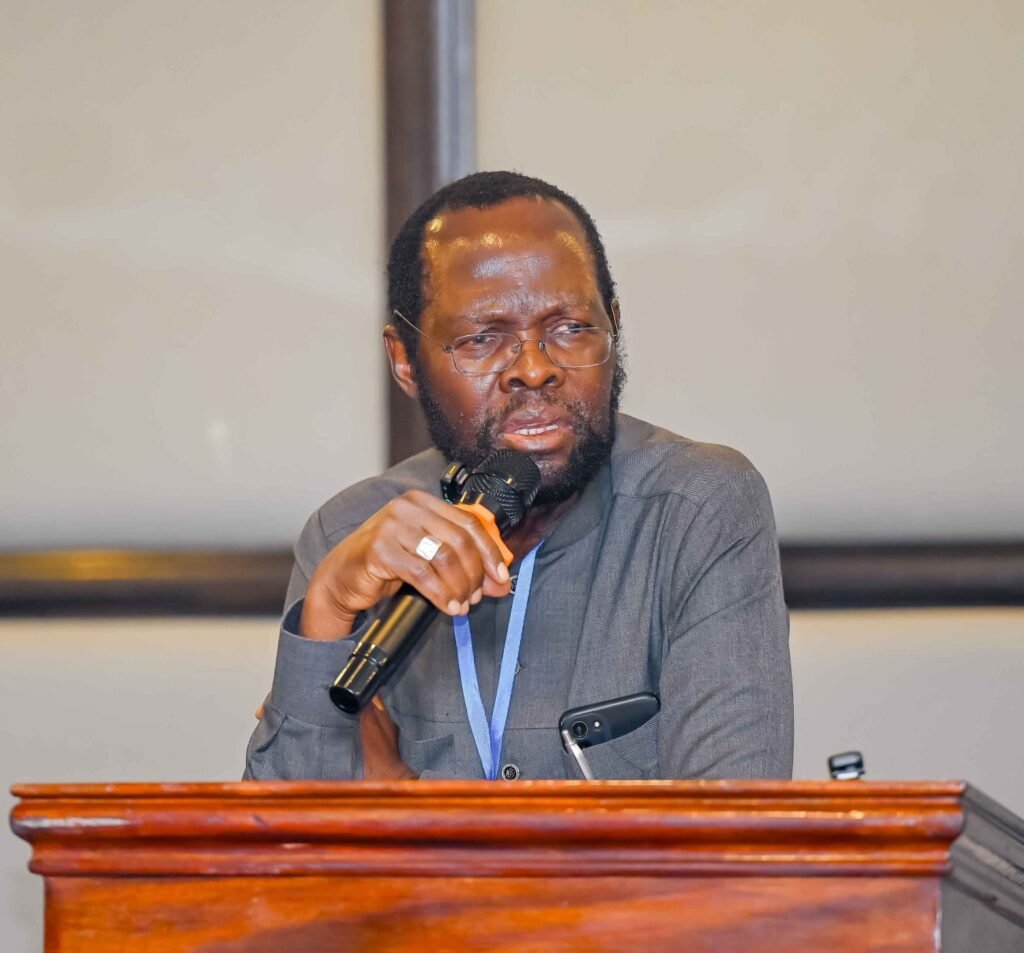
Governor: Prof. Peter Anyang’ Nyong’o
Prof. Peter Anyang’ Nyong’o was first elected Governor of Kisumu County in 2017 and successfully defended his seat in the 2022 General Election. Assisted by Deputy Governor Dr. Mathew Ochieng Owili, his administration has prioritised urban renewal, industrialisation, healthcare expansion, blue economy development and the revitalisation of Kisumu Port.
Other Elected Leaders
Senator: Prof. Tom Ojienda
Woman Representative: Ruth Busia Adhiambo Odinga
Members of Parliament
- Kisumu Central – Dr. Joshua Odongo Oron
- Kisumu East – Shakeel Ahmed Shabbir
- Kisumu West – Rozaah Akinyi Buyu
- Seme – Dr. James Wambura Nyikal
- Nyando – Jared Odoyo Okelo
- Muhoroni – James Onyango Oyoo
- Nyakach – Joshua Aduma Owuor
ADMINISTRATION
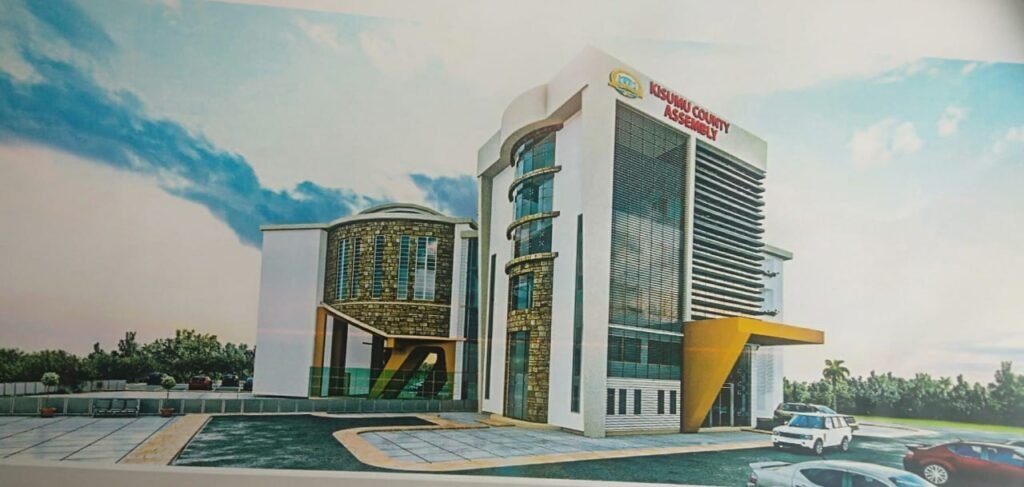
Kisumu County is divided into seven constituencies, corresponding largely with its devolved administrative sub-counties. These are Kisumu Central, Kisumu East, Kisumu West, Seme, Nyando, Muhoroni and Nyakach. Collectively they comprise 35 electoral wards.
The county has also established Kadibo as an administrative sub-county, although it is not yet recognised as a separate parliamentary constituency.
| Constituency / Sub-county | Electoral Wards | No. of Wards |
|---|---|---|
| Kisumu Central | Railways, Migosi, Shaurimoyo/Kaloleni, Market Milimani, Kondele, Nyalenda B | 6 |
| Kisumu East | Kajulu, Kolwa East, Manyatta B, Nyalenda A, Kolwa Central | 5 |
| Kisumu West | South West Kisumu, Central Kisumu, Kisumu North, West Kisumu, North West Kisumu | 5 |
| Seme | West Seme, Central Seme, East Seme, North Seme | 4 |
| Nyando | East Kano/Wawidhi, Awasi/Onjiko, Ahero, Kabonyo/Kanyagwal, Kobura | 5 |
| Muhoroni | Miwani, Ombeyi, Masogo/Nyang’oma, Chemelil, Muhoroni/Koru | 5 |
| Nyakach | South East Nyakach, West Nyakach, North Nyakach, Central Nyakach, South West Nyakach | 5 |
Summary
- Total Constituencies: 7
- Total Electoral Wards: 35
ECONOMY
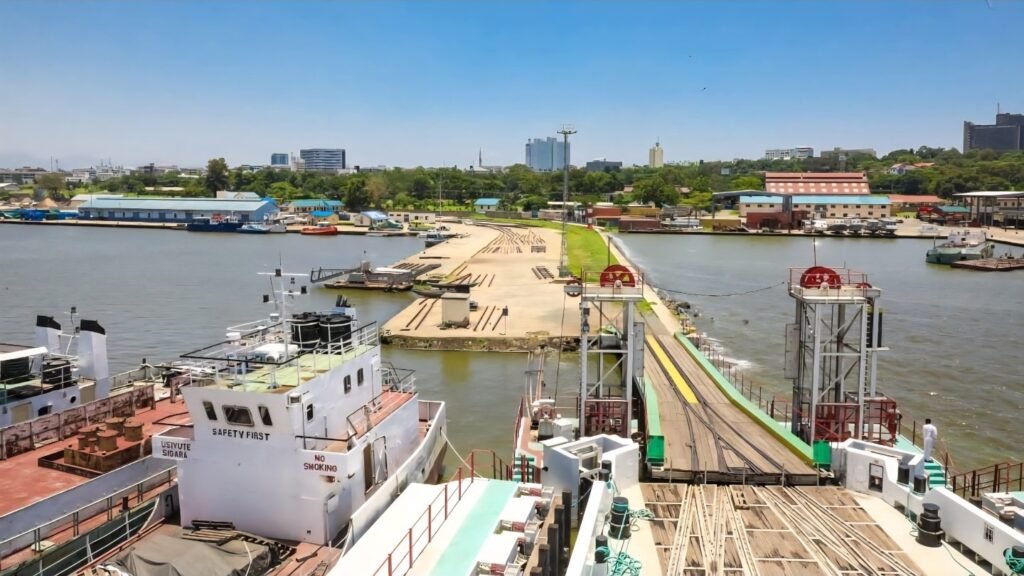
Kisumu has the eighth-largest county economy in Kenya, with a Gross County Product estimated at KSh 343.3 billion, accounting for approximately 2.6% of the national economy. Manufacturing, wholesale and retail trade, transport, fisheries and commercial agriculture form the backbone of economic activity. The reopening of Kisumu Port has strengthened regional trade with Uganda and Tanzania, while investments in the Special Economic Zone are positioning the county as an emerging industrial hub.
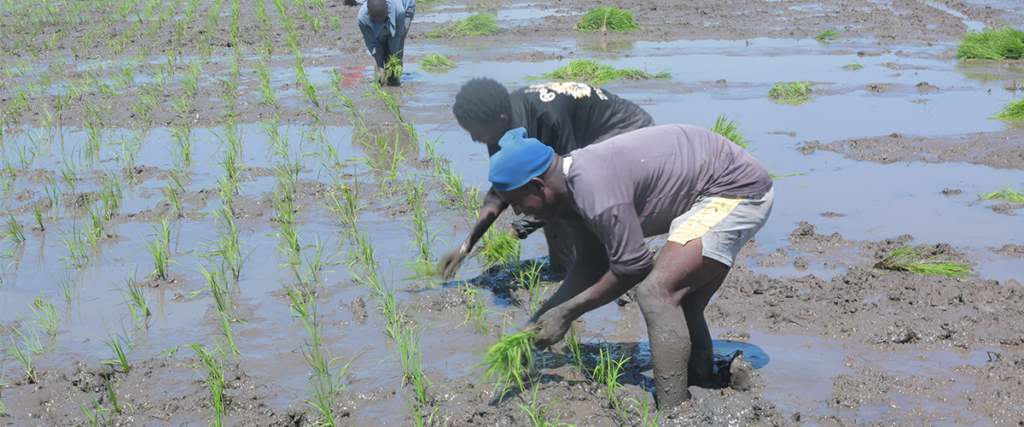
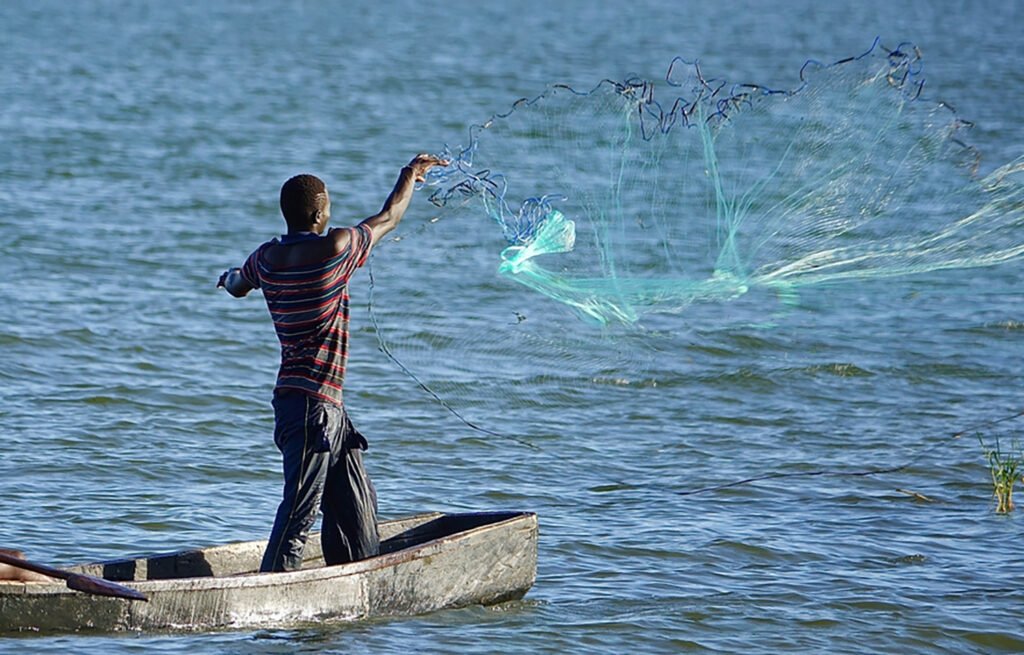
Agriculture remains central to rural livelihoods. Sugarcane dominates production in Muhoroni and Miwani, while the Kano Plains support large-scale irrigated rice farming. Other important crops include maize, beans and sorghum. Livestock production focuses on dairy cattle, indigenous cattle breeds, poultry and goats, complemented by aquaculture and commercial fish farming along Lake Victoria.
EDUCATION AND HEALTH
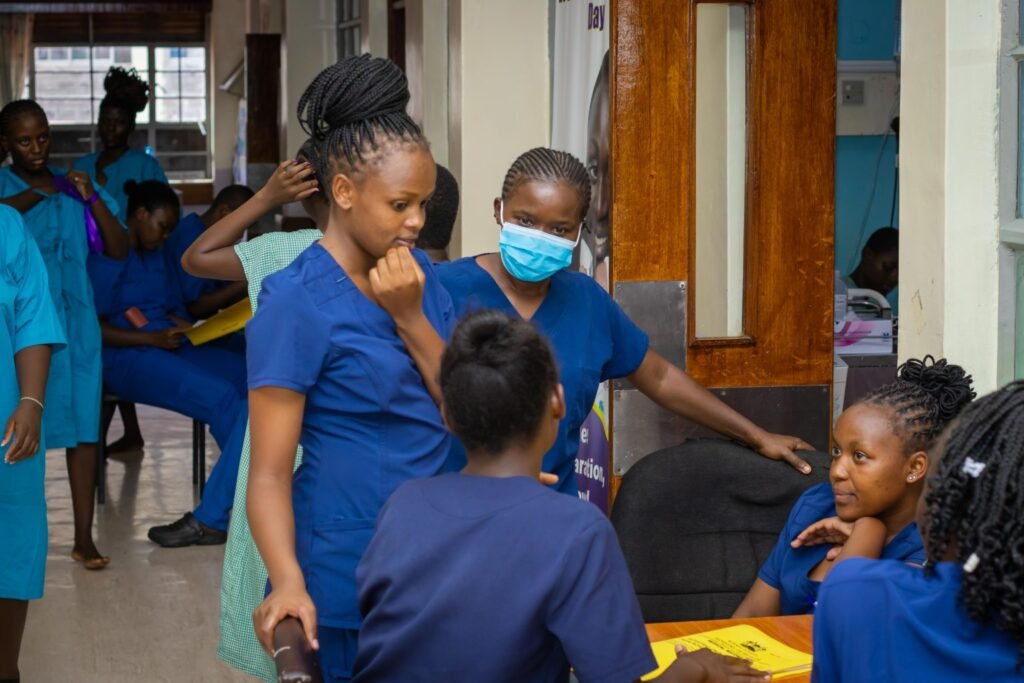
Primary school enrolment exceeds 90%, reflecting the impact of Kenya’s free primary education programme. Secondary school enrolment remains lower, at just above half of eligible learners, while Early Childhood Development Education serves more than 87,000 children across nearly 1,500 centres.
Healthcare services are anchored by Jaramogi Oginga Odinga Teaching and Referral Hospital, the principal referral facility for western Kenya. Other major public facilities include Kisumu County Referral Hospital, Lumumba Sub-County Hospital, Ahero Sub-County Hospital and Muhoroni Sub-County Hospital, complemented by private institutions such as Aga Khan Hospital Kisumu and Avenue Hospital.
CULTURE
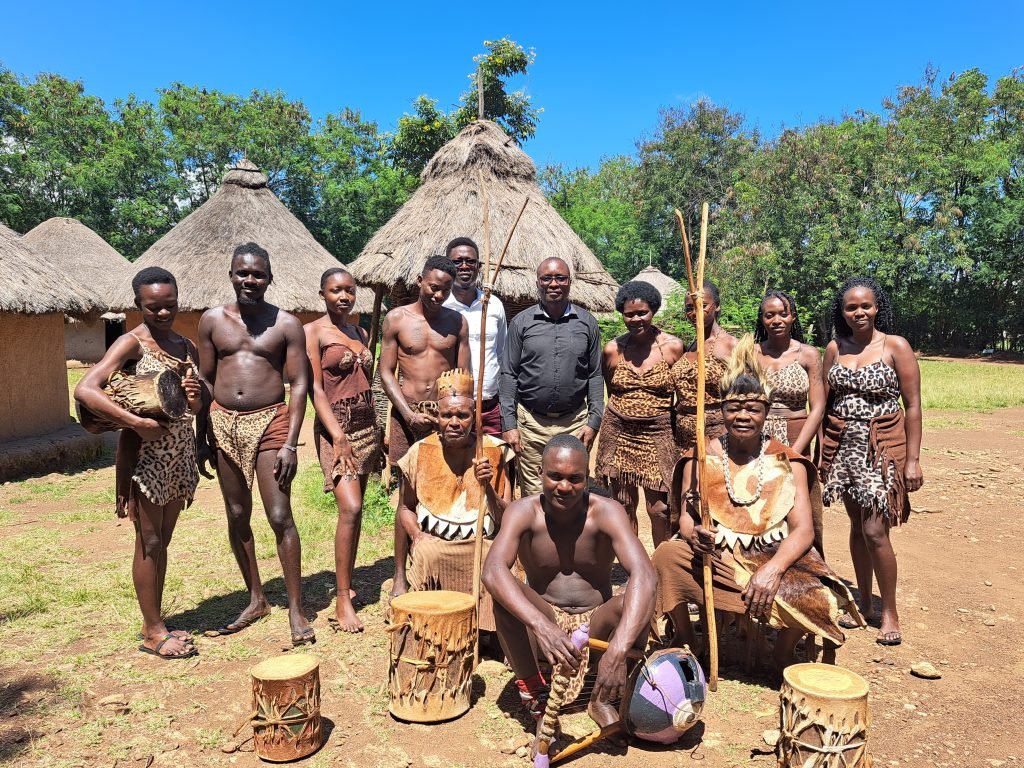
Known as “The Lakeside City” and “Proud Kisumu,” the county is recognised for its vibrant Luo heritage, thriving music scene, lakeside cuisine and reputation for academic excellence. Kisumu was also recognised by UN-Habitat as the world’s first Millennium City. Annual events include the ASK Kisumu Regional Show, the Dala Sevens Rugby Tournament and the Got Ramogi Cultural Festival, which celebrate agriculture, sport and Luo cultural heritage.
TOURISM
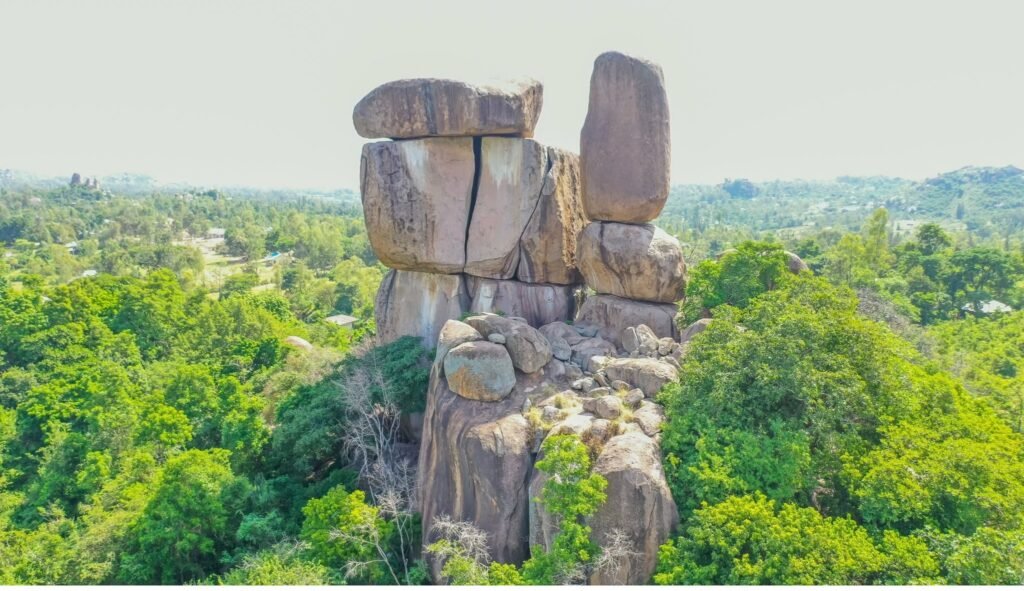
Among Kisumu’s best-known attractions are Kit Mikayi, a towering rock formation revered as a sacred cultural site; Kisumu Impala Sanctuary, a wildlife reserve on the shores of Lake Victoria; Ndere Island National Park, renowned for its birdlife and scenic landscapes; and Dunga Beach and Hippo Point, famous for fresh fish, boating and spectacular sunsets over Lake Victoria.
TIMELINE
Pre-colonial era – Luo communities settle around the Lake Victoria basin, establishing fishing, farming and trade networks.
1901 – Kisumu becomes the terminus of the Uganda Railway and develops into an important colonial trading centre.
1963 – Kenya gains independence, with Kisumu emerging as the political heartland of the Luo community.
2013 – Kisumu County is established under Kenya’s devolved system of government. Jack Ranguma becomes the county’s first Governor.
2017 – Prof. Peter Anyang’ Nyong’o is elected Governor.
2022 – Nyong’o is re-elected for a second and final term.

KEY PERSONALITIES
Kisumu has produced several nationally and internationally recognised figures, including Kenya’s first Vice President Jaramogi Oginga Odinga, former Prime Minister Raila Odinga, Governor Prof. Peter Anyang’ Nyong’o, Academy Award-winning actress Lupita Nyong’o, former Foreign Affairs Minister Dr. Robert Ouko, footballers Dennis Oliech and Divock Origi, and veteran politician Ruth Odinga.
References
- Kenya National Bureau of Statistics (KNBS) – Gross County Product Reports
https://www.knbs.or.ke/gross-county-product/ - Kenya National Bureau of Statistics (KNBS) – 2019 Kenya Population and Housing Census
https://www.knbs.or.ke/2019-kenya-population-and-housing-census-reports/ - Kenya National Bureau of Statistics (KNBS) – Economic Survey
https://www.knbs.or.ke/economic-survey/ - County Government of Kisumu (Official Website)
https://www.kisumu.go.ke/ - Kisumu County Statistical Abstract 2024 (PDF)
https://www.kisumu.go.ke/wp-content/uploads/FINAL-KISUMU-CSA-2024.pdf - Kisumu County Integrated Development Plan (CIDP III 2023–2027)
https://www.kisumu.go.ke/wp-content/uploads/KISUMU-CIDP-III-2023-2027.pdf - Kisumu County Fact Sheet
https://www.kisumu.go.ke/wp-content/uploads/2018/11/KISUMU-COUNTY-FACT-SHEET-1-1.pdf - Kisumu Annual Development Plan (ADP) 2025/2026
https://www.kisumu.go.ke/wp-content/uploads/KISUMU-ADP-2025-2026-DRAFT-THREE-.pdf

